The Influence of Cultural Narratives on Aging
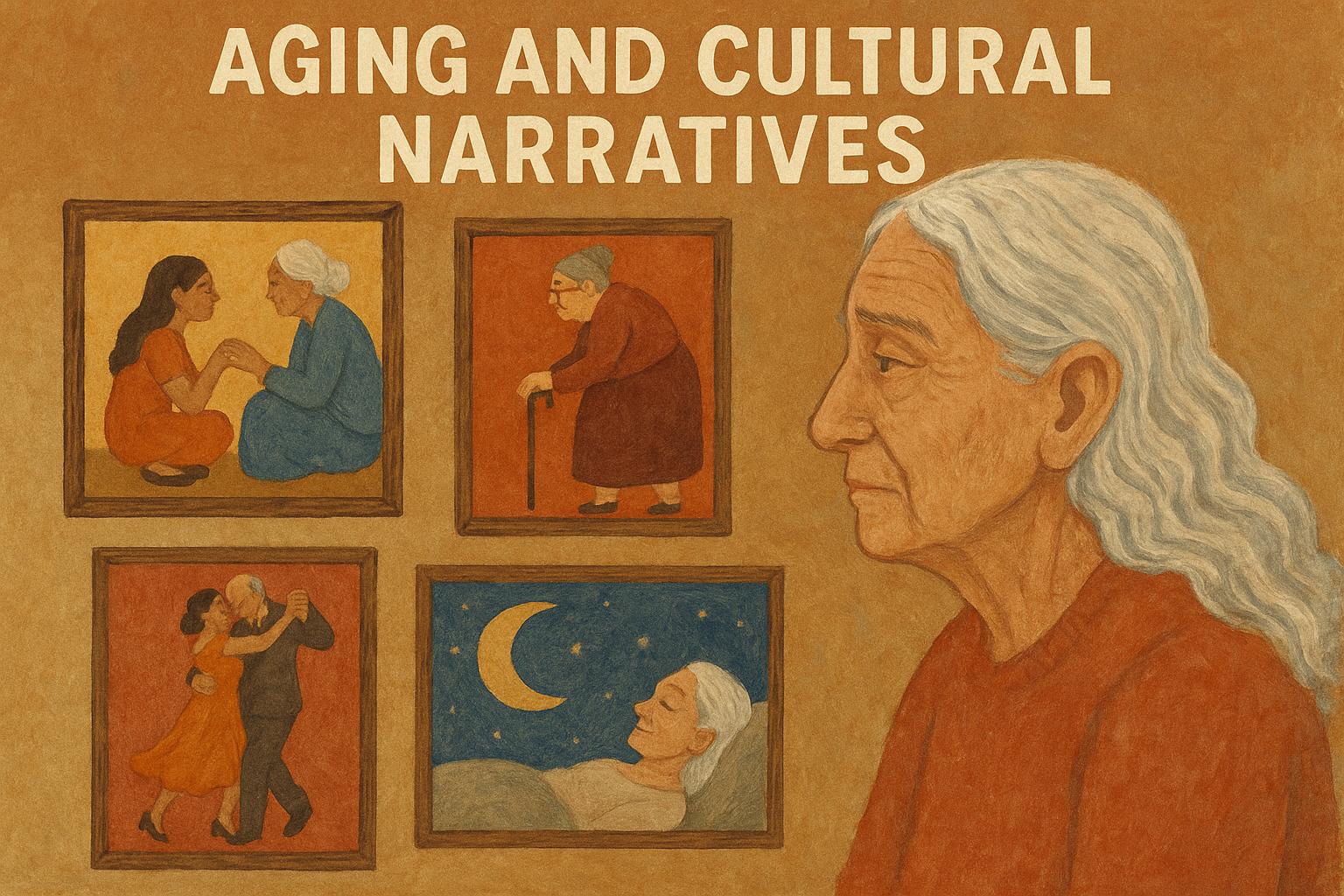
The process of aging has been a central theme in numerous cultural narratives worldwide. These narratives significantly influence how societies view and treat their elderly populations. Understanding these narratives is essential for comprehending the diverse perspectives on aging and how these views impact individual experiences and societal structures.
Cultural Narratives and Their Impact
Cultural narratives serve as a mirror reflecting societal norms, values, and expectations regarding various aspects of life, including aging. Across the world, these narratives are woven into the very fabric of cultural traditions, folklore, and media representations. They establish a framework that guides societal attitudes and behaviors towards the elderly, influencing both personal interactions with older individuals and broader societal structures.
One prominent narrative in Western cultures is the association of aging with decline and dependency. This narrative persistently positions older individuals as frail, less capable, and in need of support. The implications of this perception manifest significantly in the form of ageism, defined as the stereotyping and discrimination against individuals purely on the basis of their age. Media representations play a powerful role in solidifying this notion, often glorifying youthfulness and vitality, while sidelining or patronizing older individuals. The preoccupation with maintaining a youthful appearance and energy can overshadow the valuable contributions and potential that an aging population offers.
However, the narrative is not uniform across all cultures or even within Western society itself. There are layers of nuance in how these perceptions have evolved over time and continue to change. This complexity is further enriched when we explore the diversity of narratives found in various cultures worldwide.
The Role of Positive Narratives
In contrast to the often negative portrayal of aging, some societies possess cultural narratives that celebrate the aging process. Such narratives are particularly prominent in many Asian cultures, where aging is closely associated with the acquisition of wisdom, respect, and authority. In these societies, the elderly are not merely tolerated or supported—they are celebrated as essential members of the community, seen as repositories of life experiences and knowledge.
For instance, older individuals often serve as sages, advisors, and leaders within their communities, holding revered positions of influence and authority. In these contexts, the wisdom of age is viewed as a valuable asset, and the lessons imparted by older generations are integral parts of familial and community life. This cultural reverence helps bolster a society that acknowledges and values the contributions of its older population, thereby reinforcing the integration of elderly individuals into the familial and societal framework.
Intersections with Gender
While examining cultural narratives on aging, it is imperative to consider how these narratives intersect with gender. The overlap of ageism and sexism creates complex dynamics, especially concerning older women. In many cultures, older women experience a dual layer of bias—being subjected to ageism, which devalues their capabilities based on age, and sexism, which has historically marginalized women’s roles and contributions.
These intersecting biases often lead to a form of narrative invisibility, where older women find themselves marginalized in both private and public spheres. Stereotypes about older women can diminish their voice and presence, affecting their participation in decision-making or leadership roles. This compounds the challenges faced by aging females, as societal narratives may emphasize physical appearance or traditional gender roles, undermining the broader contributions of women in their later years.
Conversely, some cultural narratives continue to afford older men a degree of respect and authority, enhancing their status as they age. In such narratives, age becomes an attribute that augments masculinity rather than diminishing it. Nevertheless, these patterns are not universal and show considerable cultural variance, reflecting the diversity of narrative constructs pertaining to aging across different societies.
Evolving Narratives in a Modern Context
Modern society stands at the crossroads of tradition and transformation, with cultural narratives surrounding aging undergoing significant evolution. As life expectancies increase and older adults remain active and healthy for longer periods, there is a growing recognition of their role as dynamic contributors to society. The traditional narratives that constricted older individuals to roles of dependency are being challenged and redefined.
Several initiatives have emerged, promoting lifelong learning, volunteering, and active participation across various sectors, including education, business, and community development. These initiatives aim to dismantle outdated stereotypes and cultivate narratives that view aging as a continuum of growth and opportunity rather than decline. By embracing these narratives, societies can foster environments that appreciate the contributions of all age groups, thus promoting inclusivity and equality.
The shift toward recognizing the agency and value of older populations is facilitated by technology and globalization, bridging cultural narratives across regions. This global exchange of ideas and practices contributes to a more nuanced understanding of aging, encouraging societies to adopt more inclusive and empowering perspectives.
Conclusion
Cultural narratives play a pivotal role in shaping attitudes toward aging, influencing both individual experiences and broader societal policies. By promoting more inclusive and positive narratives, societies can better appreciate the diversity and potential inherent in their aging populations. Recognizing and understanding the cultural context of aging, along with its evolution, offers pathways to more equitable and respectful treatment of older individuals. Across diverse cultural landscapes, fostering narratives that value wisdom, experience, and active participation can redefine aging in a way that benefits everyone, facilitating a more integrated, respectful coexistence between generations.