Cultural Identity in Post-Industrial Societies
The concept of cultural identity in post-industrial societies has been significantly shaped by the considerable economic, social, and technological transformations that these societies have undergone. They are predominantly characterized by a fundamental shift from traditional manufacturing industries to information and service-based economies. Comprehending the evolution of cultural identities in such an environment is essential for a deeper understanding of contemporary global dynamics.
Economic Transition and its Impact
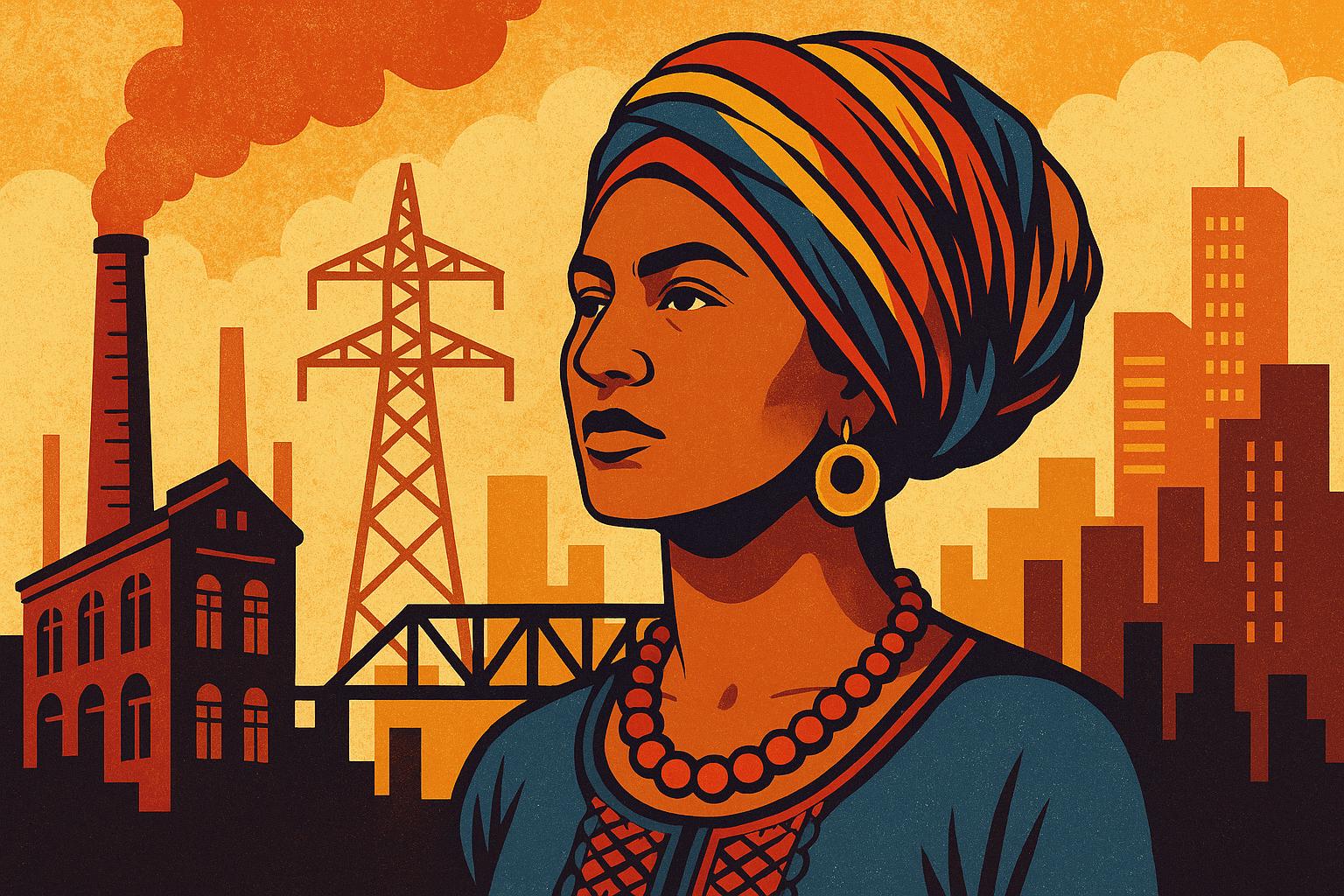
Post-industrial societies, often referred to as knowledge or information societies, place a strong emphasis on intellectual capabilities rather than manual labor. This transition has profound impacts on cultural identity as it influences occupational roles, social structures, and personal aspirations. The rise of the service sector and the proliferation of knowledge-based industries have resulted in the emergence of new professional identities and social statuses.
Education and Knowledge Dissemination
In shaping cultural identity, education assumes a pivotal role. Post-industrial societies emphasize education and skill development as vital pathways to achieving economic prosperity. This focus on learning has led to the formation of knowledge communities that contribute to a shared cultural milieu, which often transcends traditional ethnic or geographical boundaries. Educational institutions, therefore, act as arenas for cultural exchange and transformation, enabling individuals to adopt and adapt to new cultural identities.
Technological Advancements
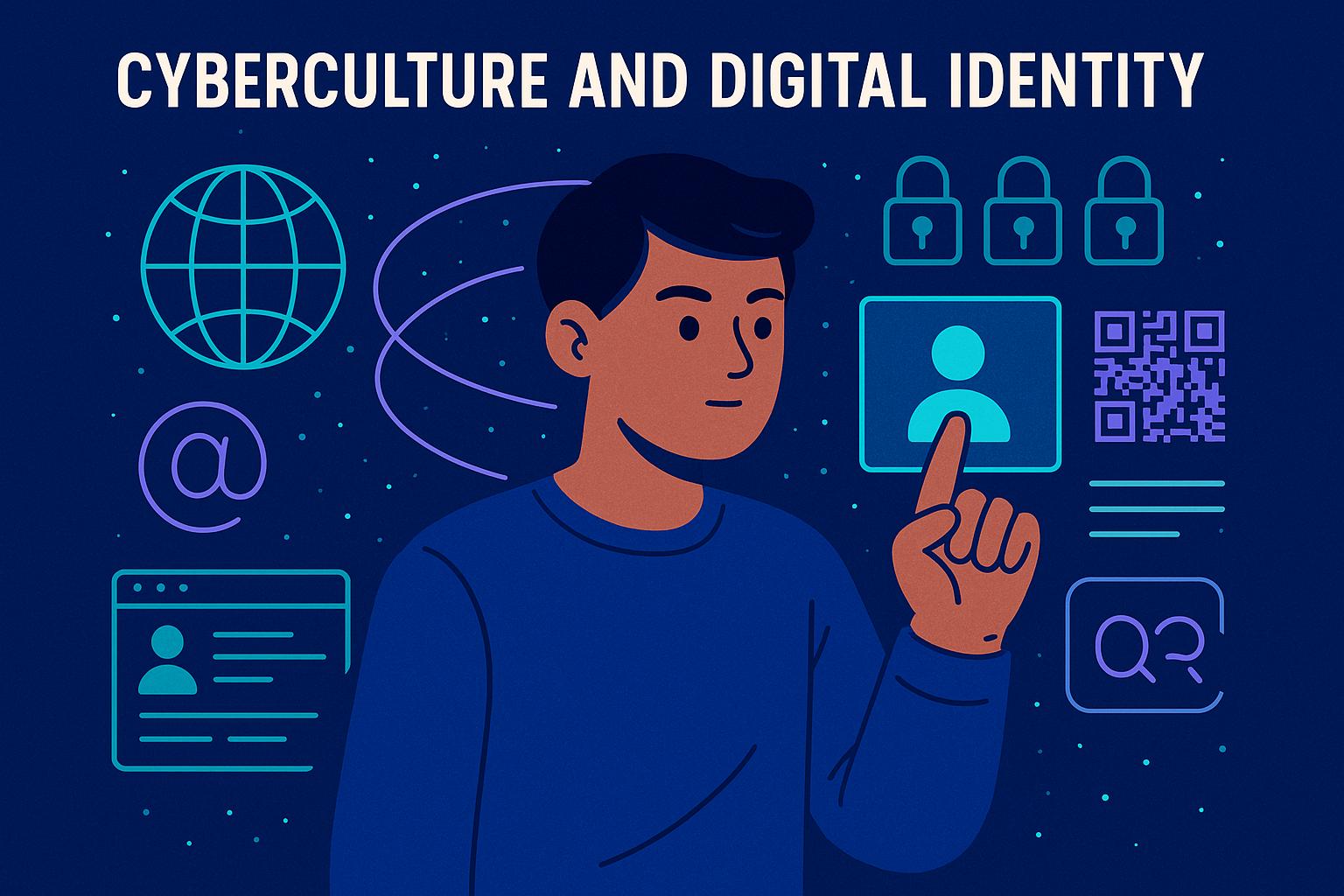
Technological progress within post-industrial societies is a catalyst for changes in cultural identity. The widespread use of digital communication platforms facilitates unprecedented connectivity and cultural exchange. These technologies enable the integration of diverse cultural practices and ideas, fostering a more cosmopolitan outlook among individuals. However, they also present challenges related to cultural homogenization and the preservation of local identities. Efforts to maintain cultural uniqueness amidst technological advancements are crucial for sustaining diversified cultural expressions.
Social and Cultural Dynamics
Post-industrial societies experience evolving social norms and values, influenced by economic changes and increased mobility. These dynamics play a significant role in shaping individual and collective cultural identities, often resulting in hybridized forms of cultural expression.
Urbanization and Cultural Diversity
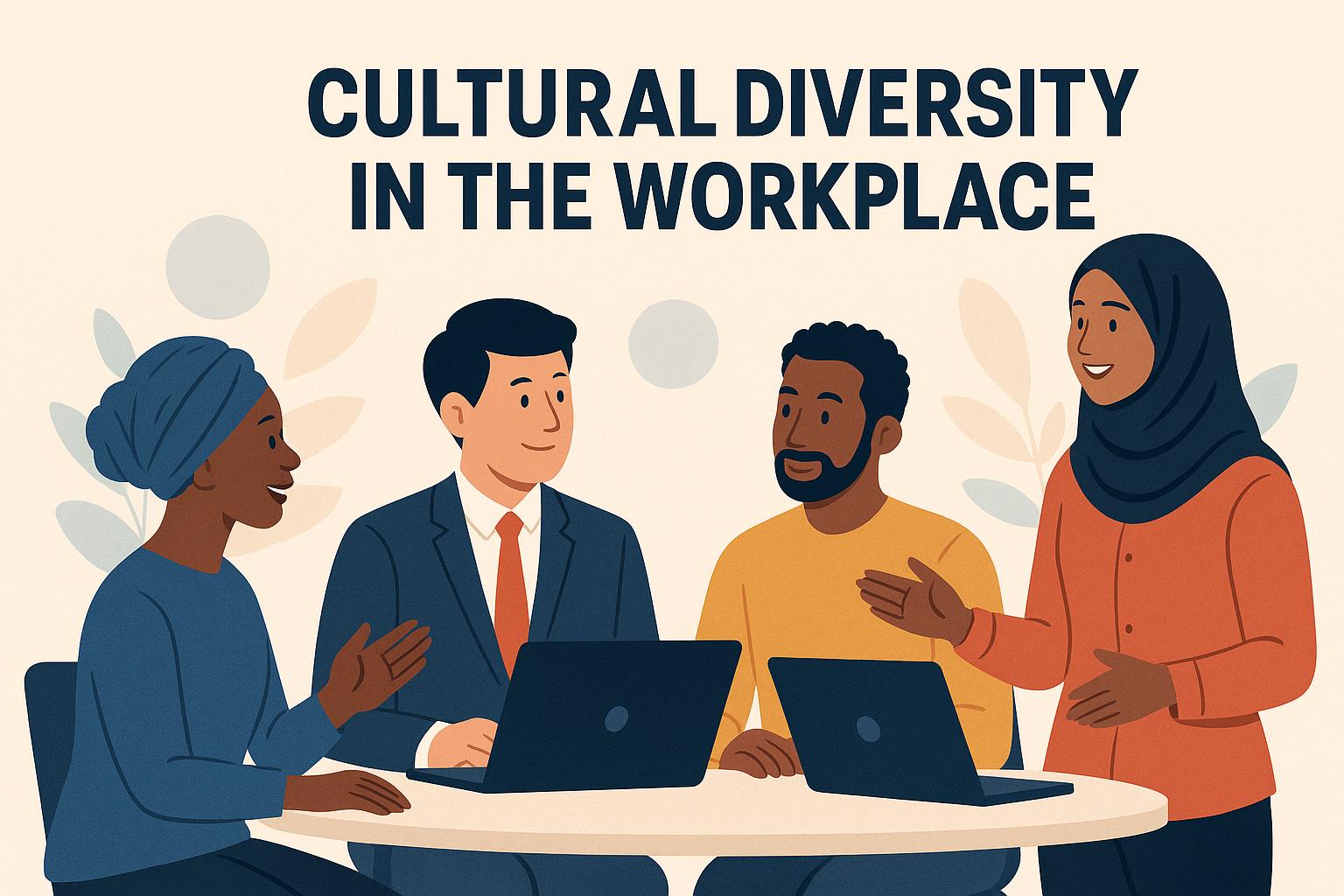
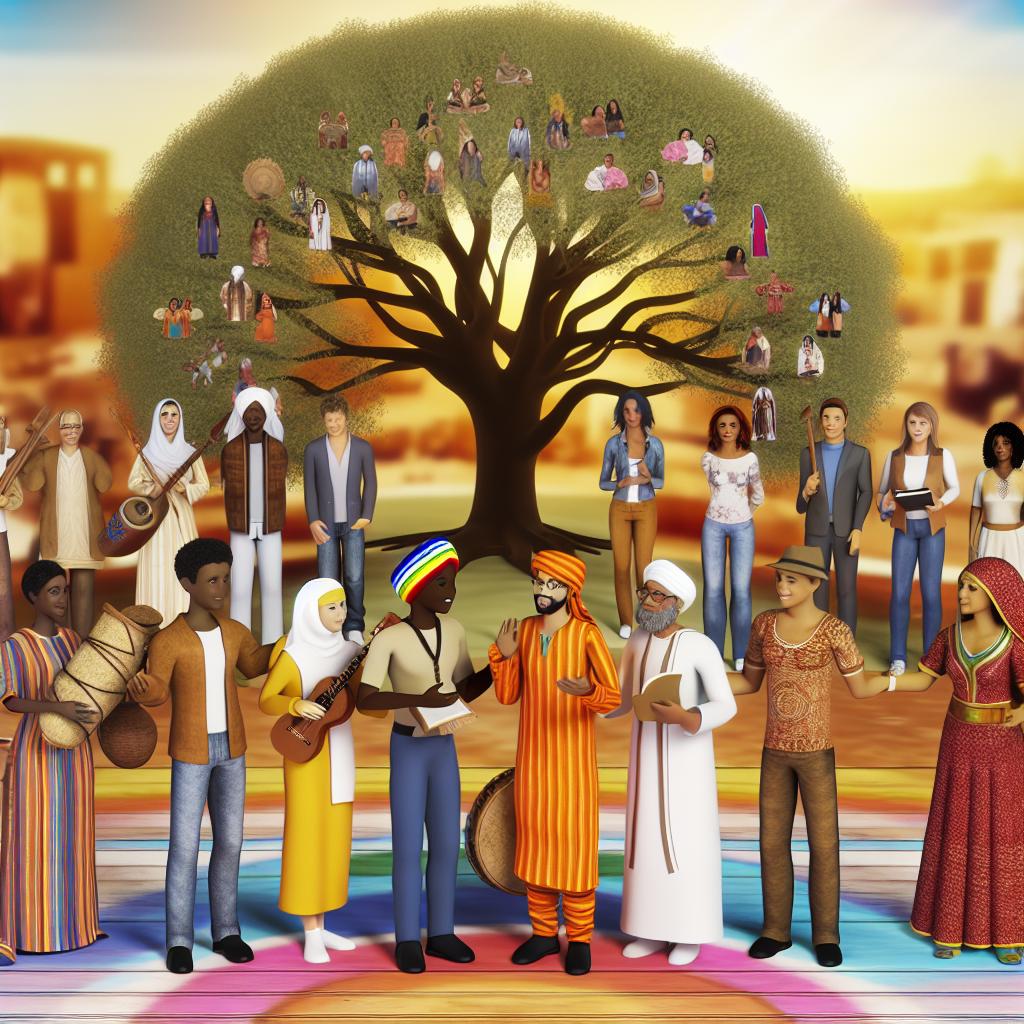
A hallmark of post-industrial societies is widespread urbanization, leading to the emergence of multicultural cities that serve as hubs of cultural synthesis. Urban centers are melting pots where diverse cultural groups interact, promoting tolerance and integration. This cultural mosaic contributes to the redefinition of identity, blending elements from different traditions. Cities become the frontier for testing and manifesting new cultural identities that highlight both diversity and unity.
Individualism and Identity Formation
In these societies, individualism gains prominence in the process of identity formation. The focus on personal achievements and autonomy plays a significant role in shaping self-perception and societal roles. This emphasis on personal freedom and choice promotes individual empowerment and fosters a sense of personal agency. However, it can sometimes lead to a fragmented sense of community, where collective identity takes a secondary position to individual aspirations.
Globalization and Cultural Identity
Globalization plays a critical role in influencing cultural identity in post-industrial societies by facilitating the exchange of goods, ideas, and cultural practices across borders. This process results in economic and cultural interdependence, shaping global cultural identities and impacting the cultural fabric of these societies.
Cultural Interactions and Integration
The global flow of cultural products and practices enhances cultural interactions, fostering more integrated identities. Shared media and consumer culture contribute to the creation of global identities, yet preserving distinct local cultures remains a conscious effort. As a result, individuals find themselves navigating between global and local cultural influences, crafting identities that encompass both global and regional elements. This duality in identity provides opportunities for enriched cultural understanding and innovation.
Challenges and Opportunities
While globalization presents numerous opportunities for cross-cultural exchange and understanding, it also poses significant challenges. Cultural imperialism and the potential erosion of local cultures are pressing concerns. There is a critical need for efforts to balance global integration with the preservation of local cultural expressions to maintain a diverse global cultural heritage. These efforts require the involvement of governmental policies, educational systems, and community initiatives aimed at safeguarding cultural diversity in the face of globalization.
In conclusion, cultural identity in post-industrial societies is a complex interplay of economic, social, and technological factors. These societies continuously navigate the challenges and opportunities emanating from their dynamic transformations, which in turn reshape their cultural landscapes. Understanding these evolving identities is crucial for fostering intercultural dialogue and cooperation in an increasingly interconnected world. This understanding can lead to peaceful coexistence and mutual enrichment across different cultural communities. The continuous evolution of cultural identities in post-industrial societies serves as a vibrant tapestry reflecting the ongoing negotiation between tradition and modernity, individualism and collectivism, and local and global influences.