Understanding Cultural Taboos
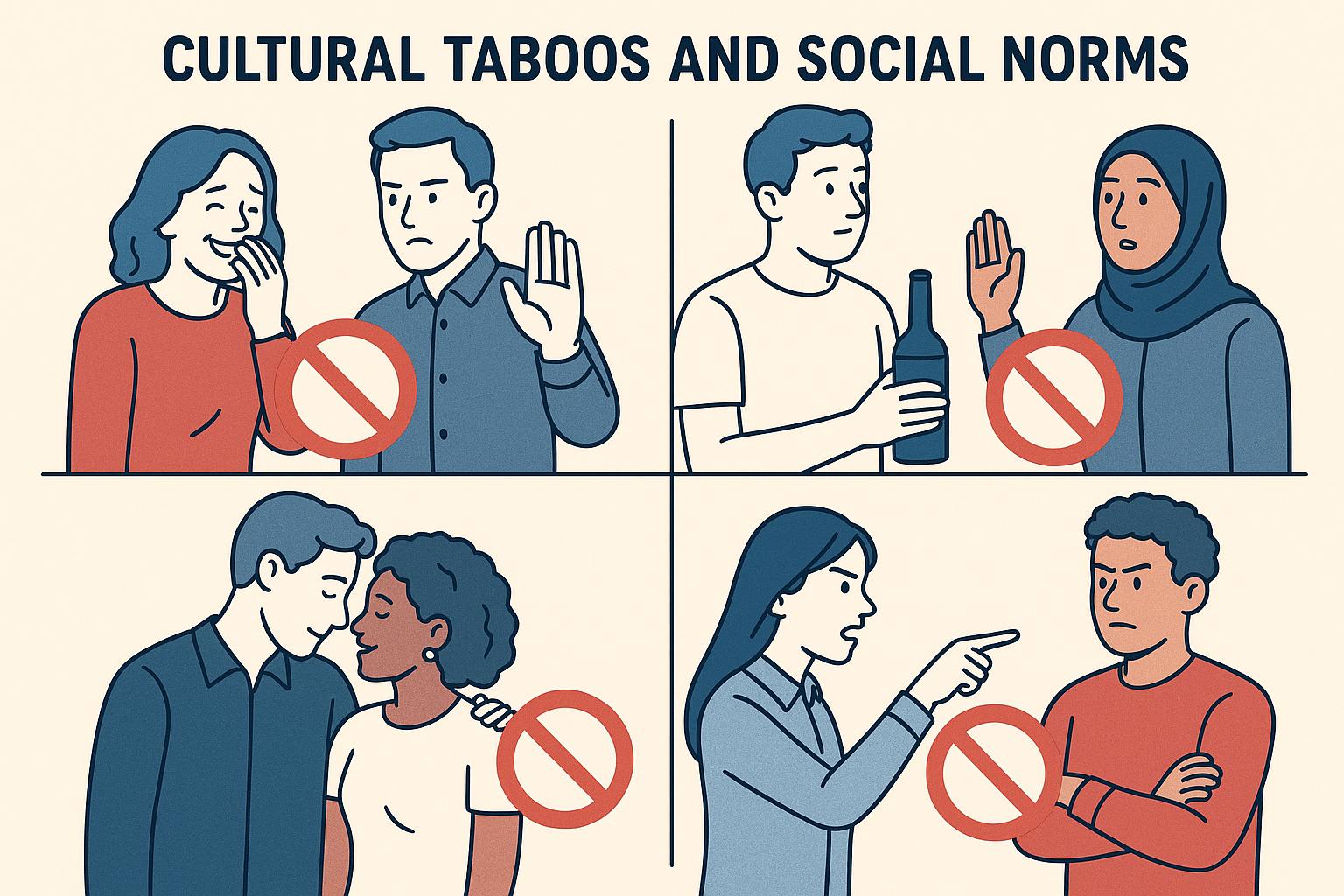
Cultural taboos encompass the wide array of prohibitions that exist against certain actions, behaviors, or discussions which are considered inappropriate, disrespectful, or offensive by particular cultures or societies. Often deeply rooted in a group’s beliefs, traditions, and social norms, taboos form a critical part of the societal fabric that governs acceptable behavior. The variance in cultural taboos between different societies is significant; what is deemed perfectly acceptable in one culture may be highly offensive in another.
The Origins of Cultural Taboos
Cultural taboos have historical, religious, or mythological origins. Their roots often delve deep into ancient religious texts or the oral traditions that have been passed down through generations. The societal belief systems that emerge from these contexts reinforce taboos, considering them vital to maintaining the community’s moral and ethical structures.
Role of Religion and Mythology
Religion and mythology often play a pivotal role in the formation of taboos. In numerous cultural contexts, these elements dictate behaviors by laying down what is considered sacred or profane. For instance, beef consumption is taboo in many Hindu societies because cows hold religious significance and are seen as sacred. In contrast, Islamic doctrine expressly prohibits pork consumption, elevating this avoidance to a defining characteristic of the religious identity. These religious taboos extend beyond dietary prohibitions, forming the crux of cultural identity for adherents.
Social Norms and Their Impact
Social norms, different from formalized laws, are the unwritten rules that dictate acceptable behavior within societies. While not codified, these norms exert a profound influence on individuals and their interactions. They cover a wide range of behaviors, including but not limited to dress codes, hospitality practices, gender roles, and styles of communication.
The Function of Social Norms
Social norms serve to maintain societal order and predictability. Through adherence to these standards, individuals navigate the social landscape with a clear grasp of expected behavior. Departing from these established norms can lead to societal disapproval or social ostracism, thus reinforcing the importance of conforming to these norms.
Regional Variations in Social Norms
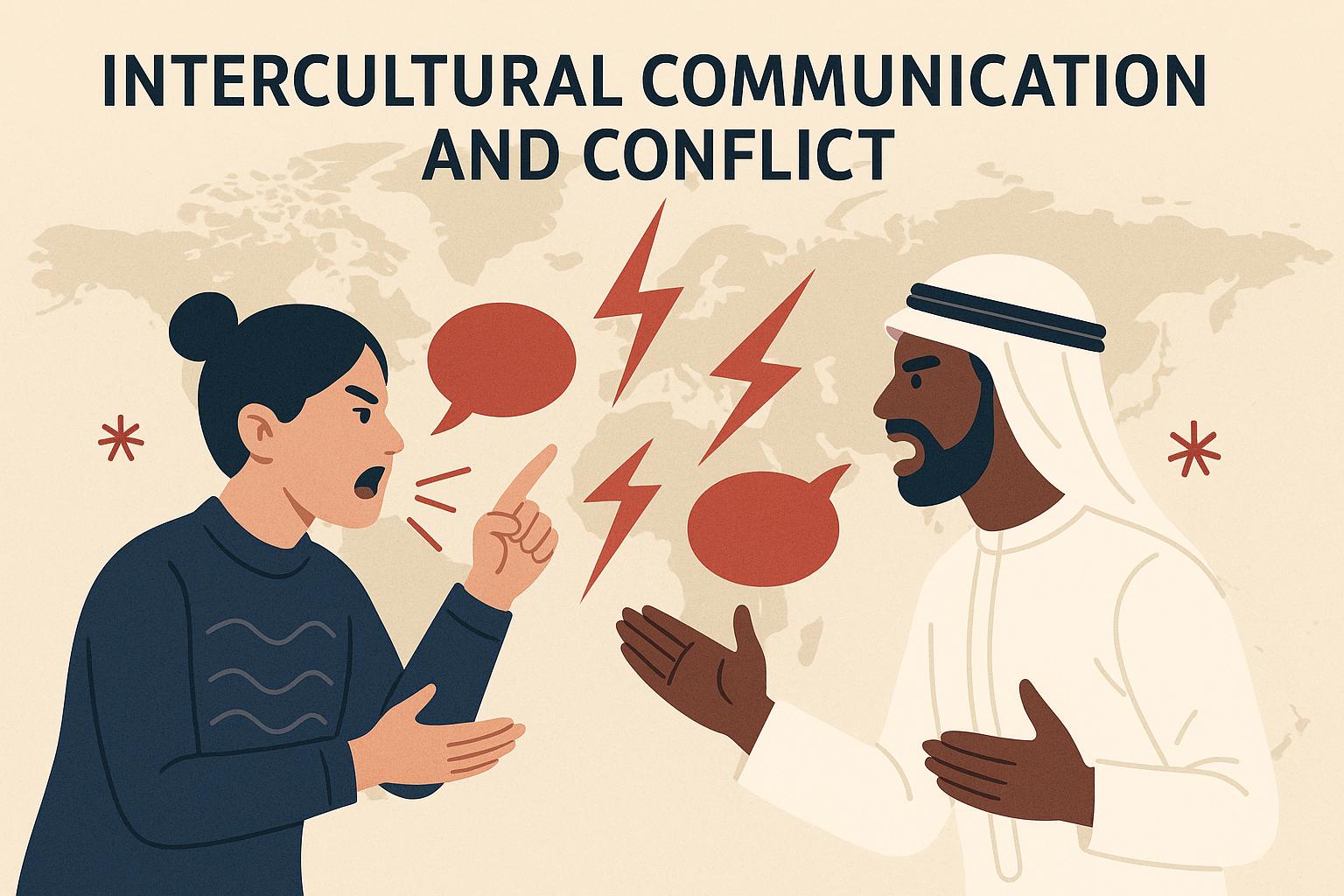
Much like taboos, social norms exhibit significant regional variation. What might be commonplace in one culture can be entirely different in another. For instance, while direct eye contact is viewed as a sign of confidence or respect in some cultures, it may be perceived as confrontational or disrespectful in others. Appreciating these distinctions is crucial for effective cross-cultural communication and interaction, as understanding and respecting local customs facilitates smoother interactions and fosters mutual respect.
The Dynamic Nature of Taboos and Norms
Both taboos and social norms exhibit a dynamic, evolving nature rather than remaining static. Societal evolution, driven by factors such as technological advances, globalization, and intercultural exchanges, often leads to shifts in what communities regard as acceptable or taboo.
Globalization and Cultural Exchange
The modern landscape of globalization has accelerated contact between diverse cultures, offering opportunities for the transformation or even the dissolution of long-standing taboos and norms. This increased interaction compels societies to reassess and sometimes redefine their cultural boundaries, resulting in a more dynamic and fluid understanding of cultural practices. As new ideas and practices emerge, societies adjust their norms and taboos to accommodate shifting realities.
Conclusion
Cultural taboos and social norms are integral to societal functioning, guiding behavior and interactions within and between communities. Understanding these foundational elements is crucial for fostering intercultural respect and communication. As globalization continues to interconnect peoples and cultures, the ability to navigate these cultural intricacies becomes increasingly essential. Appreciating and respecting different cultural taboos and norms is a stepping stone towards achieving harmonious global coexistence, as it promotes understanding and reduces conflicts born from cultural misunderstandings. As societies become more interconnected globally, the necessity for cultural awareness and sensitivity surges, highlighting the importance of learning to appreciate the diversity woven into the societal fabric worldwide.