The Intersection of Sports and Cultural Identity
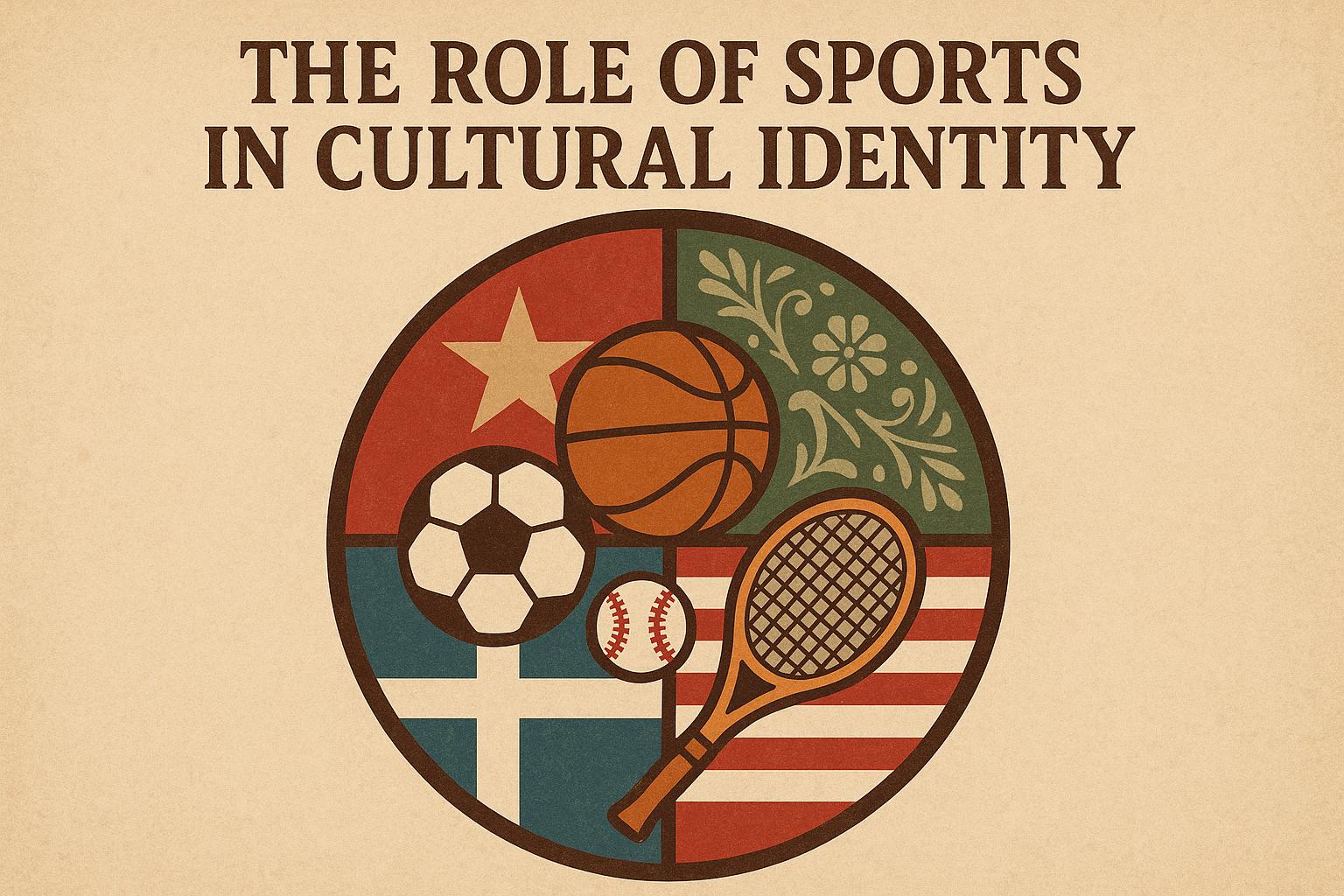
Sports have long transcended their basic functions of providing entertainment and facilitating competition. Instead, they have grown into powerful vehicles for the expression and formation of cultural identity, acting as conduits through which communities and nations articulate their unique cultural narratives. The impacts of sports in this regard are complex, multifaceted, and far-reaching, affecting everything from national pride to the preservation of individual heritage and collective memory.
National Identity and Sports
A significant function of sports is their role in fostering national identity and unity. Many countries leverage sporting events as opportunities to express and reinforce national pride. High-profile international competitions like the Olympics and the FIFA World Cup serve as arenas where nations vie not only for victory but also for the opportunity to showcase their culture, values, and unity on a global stage. Athletes, in this context, become ambassadors for their countries, embodying national aspirations and ideals.
The triumphs or defeats experienced in sports can have deep emotional and psychological impacts, instilling a sense of communal achievement or resilience among citizens. This collective experience enhances people’s connection to their national identity by fostering a shared sense of belonging and pride in their cultural symbols and narratives.
Historical Context and Influence
Beyond their contemporary significance, sports are deeply embedded in the historical fabric of nations, significantly influencing cultural identity over time. In some countries, certain sports have been pivotal in shaping national histories and cultural narratives. For example, cricket in India and rugby in New Zealand are not merely popular pastimes. Instead, these sports are intrinsic to the nations’ identities, deeply intertwined with their historical experiences, especially during the colonial and post-colonial eras.
In India, cricket has become synonymous with cultural expression and was instrumental in the country’s assertion of cultural independence following colonial rule. Conversely, rugby in New Zealand is not just a sport but part of the national ethos, symbolizing community spirit and resilience. These sports have played crucial roles in historical movements, contributing to the development and articulation of cultural identity.
Sports as a Reflection of Social Dynamics
The role of sports is not confined to historical narratives alone; they also reflect and challenge contemporary social dynamics and cultural narratives. Sports function as mirrors to societal values while simultaneously offering platforms to question and reshape those values. The integration of African American athletes into major league sports in the United States stands as a testament to this dynamic. It did not merely reflect broader social transitions concerning race and equality; it actively contributed to those social changes, advancing the dialogue on integration and acceptance.
By reflecting societal values and changes, sports create a space for discussing and addressing social issues, offering opportunities for cultural integration and the celebration of diversity. As such, they continue to shape current cultural narratives and social transformations.
Local Identity and Traditional Sports
In addition to their national significance, sports play a vital role in defining and preserving local identities. Many traditional sports offer unique insights into the cultural practices and values specific to local communities. For example, indigenous sports such as lacrosse among Native American tribes or sumo wrestling in Japan go beyond mere physical activity. They represent cultural rituals and traditions, contributing to community bonding and the preservation of cultural heritage.
Traditional sports are often deeply symbolic, embodying cultural values, stories, and histories passed down through generations. They offer communities a means of expressing and reaffirming their unique cultural identities, acting as checkpoints for cultural preservation amid changing social landscapes.
Globalization and Cultural Exchange
The globalization of sports brings about a fascinating paradox in the realm of cultural identity. On the one hand, globalization facilitates cultural exchange, enabling the blending and sharing of diverse cultural identities. Sports leagues and international tournaments invite athletes from different backgrounds, fostering cross-cultural understanding, appreciation, and collaboration. Such interactions can broaden perspectives and encourage intercultural dialogue, contributing positively to global unity.
However, the globalization of sports also raises pertinent concerns. It poses risks of cultural homogenization, where dominant sports overshadow or replace traditional local sports, potentially leading to cultural erosion. This dynamic can challenge communities to find ways to uphold and preserve their cultural heritage and sporting traditions amidst the influx of global sports and their pervasive influence.
Balancing Global Influence and Local Culture
To maintain a distinct cultural identity in a globalized sports environment, communities must strive for a balance between embracing new sporting opportunities and preserving traditional ones. This balance involves recognizing and valuing the contributions of local sports to cultural heritage while also engaging with the global sports arena. Communities can approach this balance by fostering inclusive cultural dialogues and creating platforms that celebrate and integrate both local and global sporting traditions.
It’s imperative to develop strategies that prevent cultural erosion and ensure traditional sports and cultural expressions are nurtured and sustained. Encouraging participation in traditional sports, incorporating them into educational frameworks, and celebrating them through festivals and events can reinforce their importance and ensure their survival.
Conclusion
In conclusion, sports serve as a dynamic and integral element in the definition, expression, and negotiation of cultural identity. They provide mirrors reflecting the values, histories, and aspirations of societies and act as arenas for exchange and dialogue in an increasingly interconnected global landscape. Understanding the role sports play in shaping cultural identity offers critical insights into both individual and collective identities, helping to nurture a more profound appreciation of cultural diversity in its various and complex manifestations. Sports continue to act as a vital bridge, connecting past and present, local and global, individual and community, enhancing our collective cultural tapestry.