Understanding Transculturalism and Its Impact on Shared Spaces
Transculturalism is a concept that encapsulates the blending and merging of distinct cultural elements, leading to the emergence of new cultural expressions and identities. It explores how different cultures interact and coexist, producing a hybrid cultural form rather than a simple assimilation of one culture into another. This dynamic process often occurs in shared spaces, where diverse cultural backgrounds intersect and influence each other.
The Essence of Transculturalism
Transculturalism extends beyond traditional notions of multiculturalism and cultural diversity. While multiculturalism emphasizes the coexistence of separate cultural identities, transculturalism focuses on the interaction and transformation of these identities. It acknowledges that culture is not static but is continually evolving through contact and exchange.
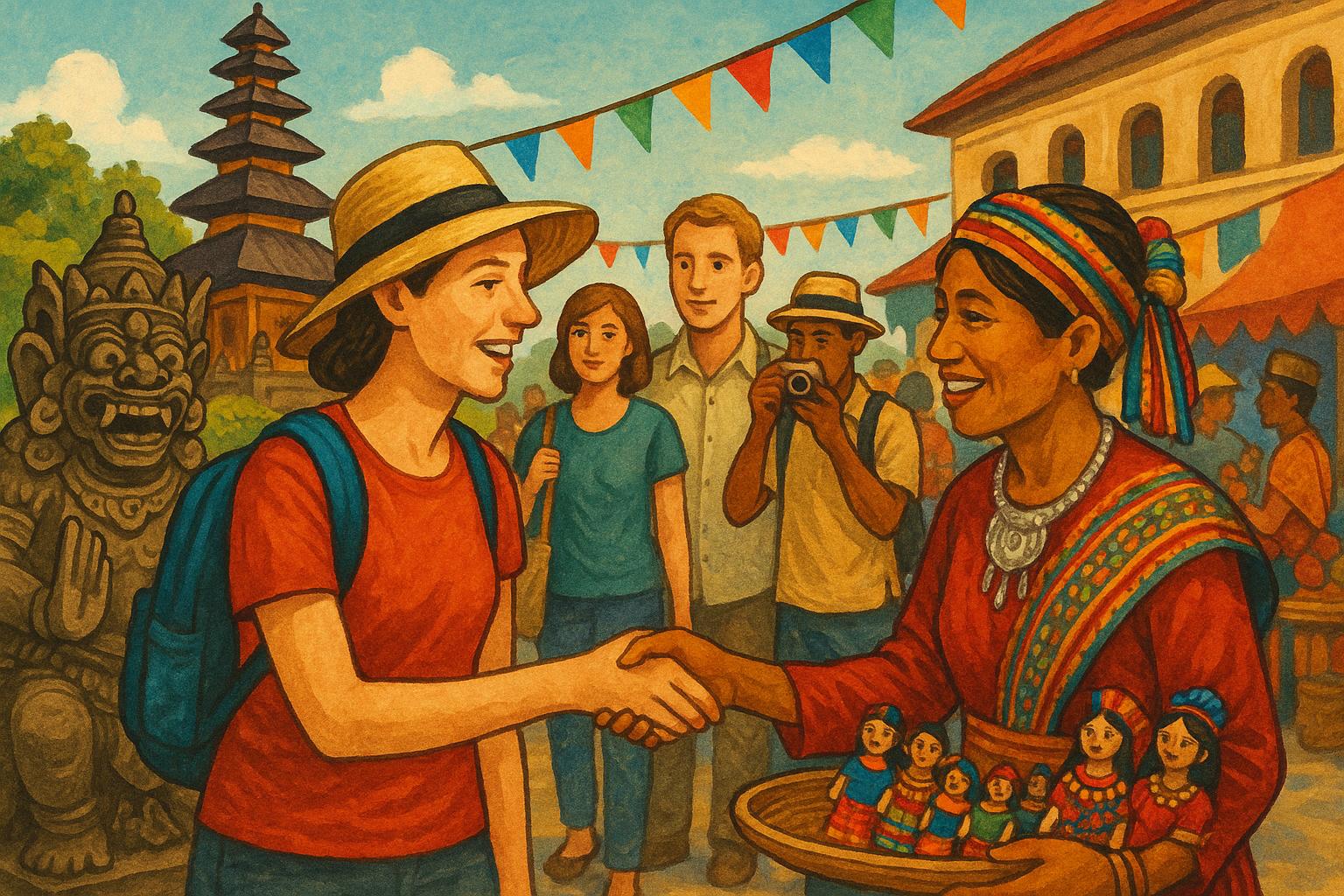
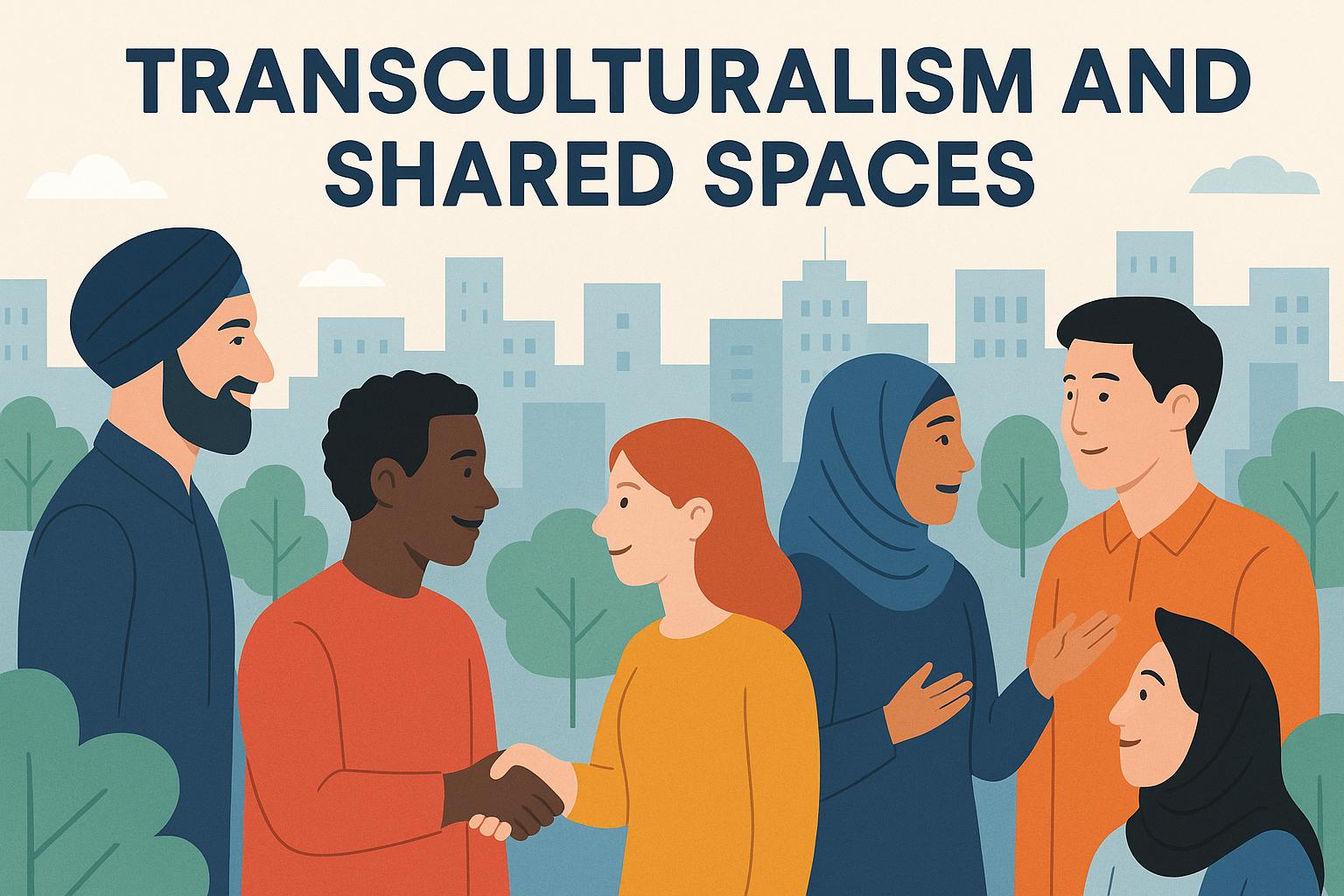
Transcultural spaces are places where these interactions are most visible. They can be physical locations, such as cities or neighborhoods, or virtual environments like online communities. In these spaces, cultural boundaries become porous, allowing for the free flow and fusion of cultural elements.
Characteristics of Transcultural Spaces
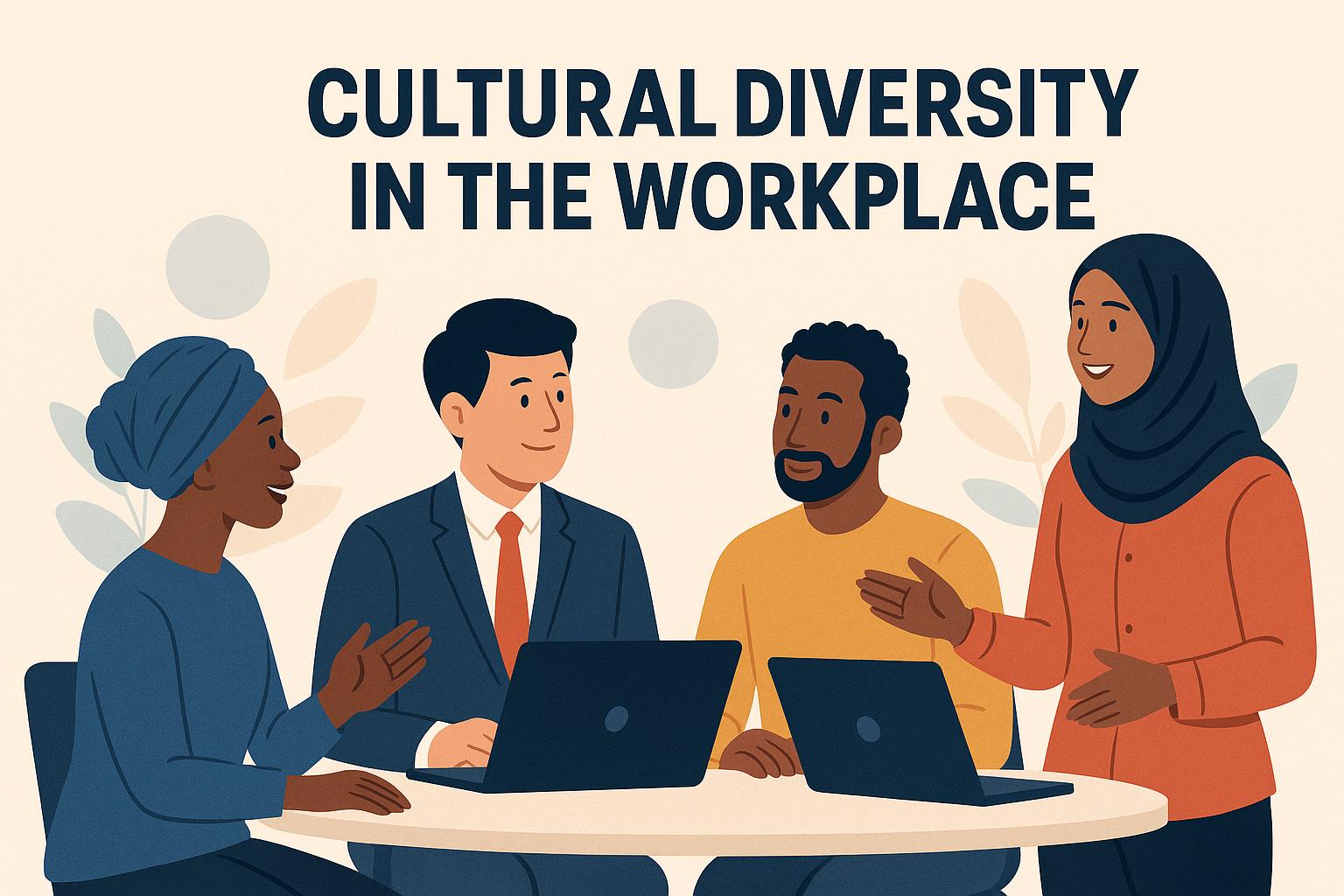
Transcultural spaces are marked by several characteristics. Firstly, they are dynamic, reflecting ongoing changes as cultural elements blend and evolve. Secondly, they facilitate dialogue across cultural lines, encouraging understanding and collaboration. Lastly, these spaces promote inclusivity, offering a platform for diverse voices and experiences to be shared and valued.
Effects on Community Interactions
These shared spaces can significantly impact community interactions. By fostering a sense of inclusivity, transcultural spaces encourage individuals from various backgrounds to engage with one another. This engagement can lead to increased social cohesion and reduced cultural friction as individuals learn to appreciate and celebrate differences and commonalities.
Furthermore, transculturalism within shared spaces can spawn innovation. The cross-pollination of ideas from different cultural perspectives can lead to novel solutions and creative outcomes in various fields, from business and technology to art and education.
Challenges and Opportunities
While transculturalism offers numerous opportunities, it is not without challenges. There can be tension as different cultural norms and values interact. Ensuring equitable representation and voice in transcultural spaces is crucial to address potential imbalances. Additionally, maintaining cultural heritage while fostering new cultural expressions requires careful consideration and sensitivity.
Historical Context of Transculturalism
The concept of transculturalism is not new; it has historical roots that date back to ancient civilizations. Various cultures have historically interacted through trade, conquest, and migration, leading to the mixing and blending of cultural elements over time. For example, the Silk Road facilitated not only the exchange of goods but also of ideas, philosophies, and cultural beliefs among diverse cultures spanning Asia, the Middle East, and Europe. These interactions contributed to the early formations of transcultural spaces, where multiple cultural influences coalesced to form unique, hybrid cultural expressions.
Modern-Day Examples
In today’s world, urban centers like New York, London, and Mumbai serve as contemporary examples of transcultural spaces. These cities are melting pots of cultures, where people from various nationalities coexist and interact, resulting in a rich tapestry of cultural diversity. The constant interaction of different cultural practices in these urban spaces fosters a dynamic environment where cultural transformation and exchange are continuously occurring.
Another modern-day example is the digital realm. Online platforms and communities, such as social media and forums, serve as virtual transcultural spaces where individuals from diverse cultural backgrounds share ideas, information, and experiences. The internet has amplified the reach and influence of transcultural interactions, making it easier for cultural exchange to transcend geographical boundaries and creating new, global cultural expressions.
Implications for Personal Identity
Transculturalism also influences individual identities. As people are exposed to multiple cultural influences, they often form hybrid identities, integrating elements from various cultural backgrounds. This process can enrich personal identity, offering a broader perspective and a more comprehensive understanding of the world. However, it can also pose challenges, as individuals may struggle to reconcile conflicting cultural values or find a sense of belonging within traditional cultural frameworks.
The Role of Education in Promoting Transcultural Understanding
Education plays a crucial role in promoting transcultural understanding and fostering an appreciation for cultural diversity. By incorporating transcultural perspectives into educational curricula, schools and universities can equip students with the knowledge and skills needed to navigate and thrive in increasingly multicultural environments. Educational institutions can serve as microcosms of transcultural spaces, where students from diverse backgrounds come together to learn, share, and collaborate.
Policy Implications and Future Directions
Policymakers can play a significant role in shaping transcultural spaces by instituting policies that promote inclusivity, equity, and intercultural dialogue. By supporting initiatives that encourage cultural exchange and understanding, governments and organizations can contribute to the development of harmonious and innovative communities. Additionally, as transculturalism continues to evolve, there is a need for ongoing research and analysis to understand its impact on society and to develop strategies that address its challenges and harness its potential benefits.
Conclusion
Transculturalism and shared spaces are reshaping how people view culture and identity. As societies become increasingly interconnected, acknowledging and embracing transculturalism can contribute to more harmonious and innovative communities. The continuous evolution of these spaces reflects the ongoing journey towards a more interconnected and culturally rich world. Understanding and navigating this complex landscape requires openness, sensitivity, and a commitment to inclusivity, allowing individuals and communities to thrive in a globally interconnected era.