Fashion and Body Politics: An Overview
Fashion has long been a significant player in shaping societal standards. Through the ages, it has not only reflected cultural norms but also influenced perceptions regarding body image and identity. The intersection of fashion and body politics highlights how fashion trends can serve as a mechanism for expression and, at times, control.
The Role of Fashion in Shaping Body Image
Fashion has historically established ideals concerning body shape and size. These standards are often disseminated through media platforms and retail institutions, encouraging individuals to strive for particular physiques. This emphasis can lead to increased pressure on individuals attempting to conform to prevailing images, consequently impacting self-esteem and body satisfaction.
The influence of fashion on body image extends beyond clothing and accessories. It permeates societal norms about attractiveness and desirability. For much of the 20th century, Western fashion idealized thinness, which was perpetuated by high-fashion magazines, runway shows, and celebrity culture. This phenomenon created a pervasive image of perfection that many found difficult, if not impossible, to achieve. As a result, people faced emotional and psychological challenges associated with their self-perception and self-worth.
Changing Beauty Standards
Fashion trends frequently evolve, and with them, so do the associated body ideals. In past decades, the industry often favored certain body types, promoting slender figures that were, for many, unattainable. However, in recent years, there has been a notable shift towards inclusivity, with designers and brands increasingly embracing diverse body shapes and sizes. This change reflects a growing societal push towards broadening beauty standards.
Total societal acceptance is not achieved overnight. Instead, it is the culmination of several movements initiated by activists, fashion influencers, and critical voices within the community. Efforts to redefine beauty standards amplify the dialogue around body positivity, encouraging the acceptance of natural body types. Consequently, this has led to diverse portrayals of beauty in fashion campaigns and media outlets, marking a transition towards a more inclusive representation of body shapes and sizes.
Inclusivity and Diversity
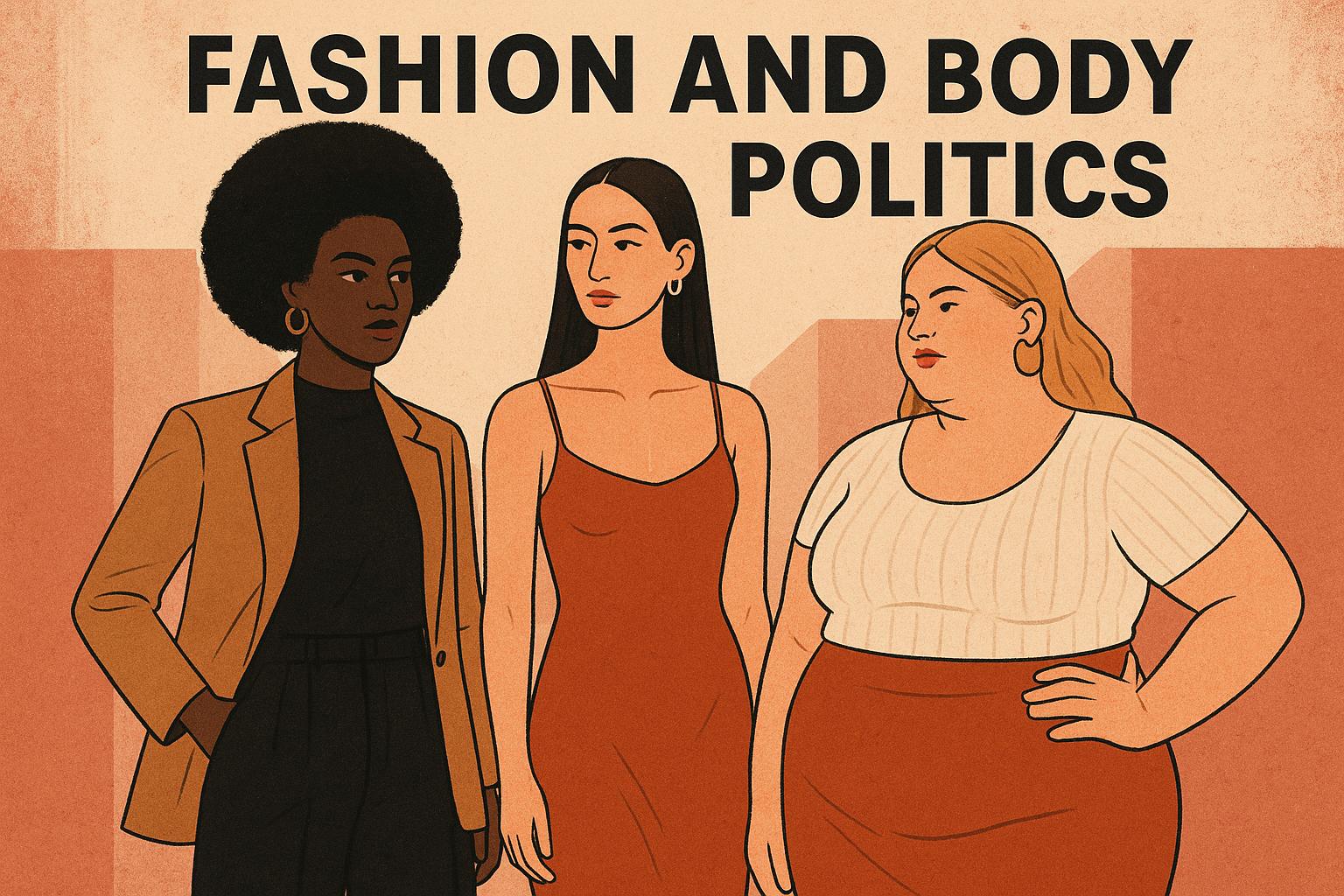
The movement towards inclusivity in fashion represents a crucial step forward in the battle against rigid body politics. Today, there is a growing acceptance of plus-size models and varied body types on mainstream runways and magazines. This transformation underscores the industry’s acknowledgment of diverse consumers, not only as an ethical imperative but also as financially viable.
The demand for diversity emerged from grassroots efforts by marginalized groups seeking representation. Social media platforms play an instrumental role in this paradigm shift, offering a space for underrepresented voices to be heard. Influencers and activists use these platforms to challenge established fashion norms and promote stories of inclusivity, pushing brands to adopt strategies that reflect diverse consumer bases.
Cultural Body Norms and Fashion’s Influence
Different cultures carry distinct ideals regarding body image, influencing local fashion practices. The fashion industry, with its global reach, can either perpetuate or challenge these beliefs. As cultural exchange becomes more prevalent, fashion often acts as a medium that can highlight or bridge cultural differences related to body image.
As globalization advances, the exchange of cultural ideals transforms traditional perceptions of beauty. Fashion houses located in different regions of the world often collaborate, merging distinct cultural aesthetics and producing garments that celebrate multicultural beauty. These exchanges may promote a global understanding of body politics, fostering appreciation for varied body norms.
The Interplay of Identity and Fashion
Fashion plays a pivotal role in the formation and expression of identity, enabling individuals to communicate aspects of their personality, beliefs, and affiliations. The choices people make in their attire can signify membership to particular social groups or movements, thus influencing the societal perception of identity.
Fashion as a Political Statement
Fashion has frequently been employed as a form of protest or political expression. Throughout history, certain garments and styles have emerged as symbols of rebellion or unity against oppressive norms. By choosing specific fashion trends, individuals and groups may align themselves with broader social, political, or environmental causes, advancing particular agendas within body politics.
Consider, for example, the punk movement of the 1970s. Originating in response to traditional consumer values and aesthetics, punk style embraced DIY clothing, vivid colors, and eclectic styles to oppose mainstream norms. In modern contexts, similar fashions continue to serve as platforms for political commentary, addressing issues such as climate change, gender equality, and racial justice.
Marketing and Consumption
The way fashion is marketed often impacts body politics. Advertising strategies can reinforce stereotypes or challenge them. Consumers are increasingly demanding ethical standards and transparency, prompting brands to reconsider their approach to diversity and inclusion. This shift reflects a growing awareness of the influence fashion holds over societal norms and body politics.
The increasing consumer insistence on representation has led fashion marketers to pivot toward more ethical advertising methods. Many leading brands are now featuring diverse models across all spectrums of identity, including age, size, ethnicity, and gender. Moreover, the behind-the-scenes efforts to implement inclusive practices are becoming as vital as the public messages and symbols.
Conclusion
Fashion and body politics are inextricably linked, dynamically influencing one another. The industry’s evolving stance on inclusivity and diversity reflects broader social changes. While fashion can perpetuate limiting body norms, it also possesses the potential to challenge and reshape perceptions, ultimately contributing to a more inclusive society.
As the dialogue continues, it is critical to maintain awareness of the immense power fashion holds in shaping individual and collective ideologies. Efforts to foster inclusivity and challenge restrictive norms must be ongoing, ensuring that all body types receive the representation and acceptance they deserve. The future of fashion, through its intricate relationship with body politics, will determine not only aesthetic trends but also societal values concerning identity, representation, and acceptance.
The continued focus on diversity in fashion is not just a trend; it represents a movement toward more equitable representation. As the industry evolves, it holds the promise of becoming a force that not only reflects but also actively drives positive social change, making fashion a contributor to a more accepting and inclusive global community.