The Intersection of Culture and Artificial Intelligence
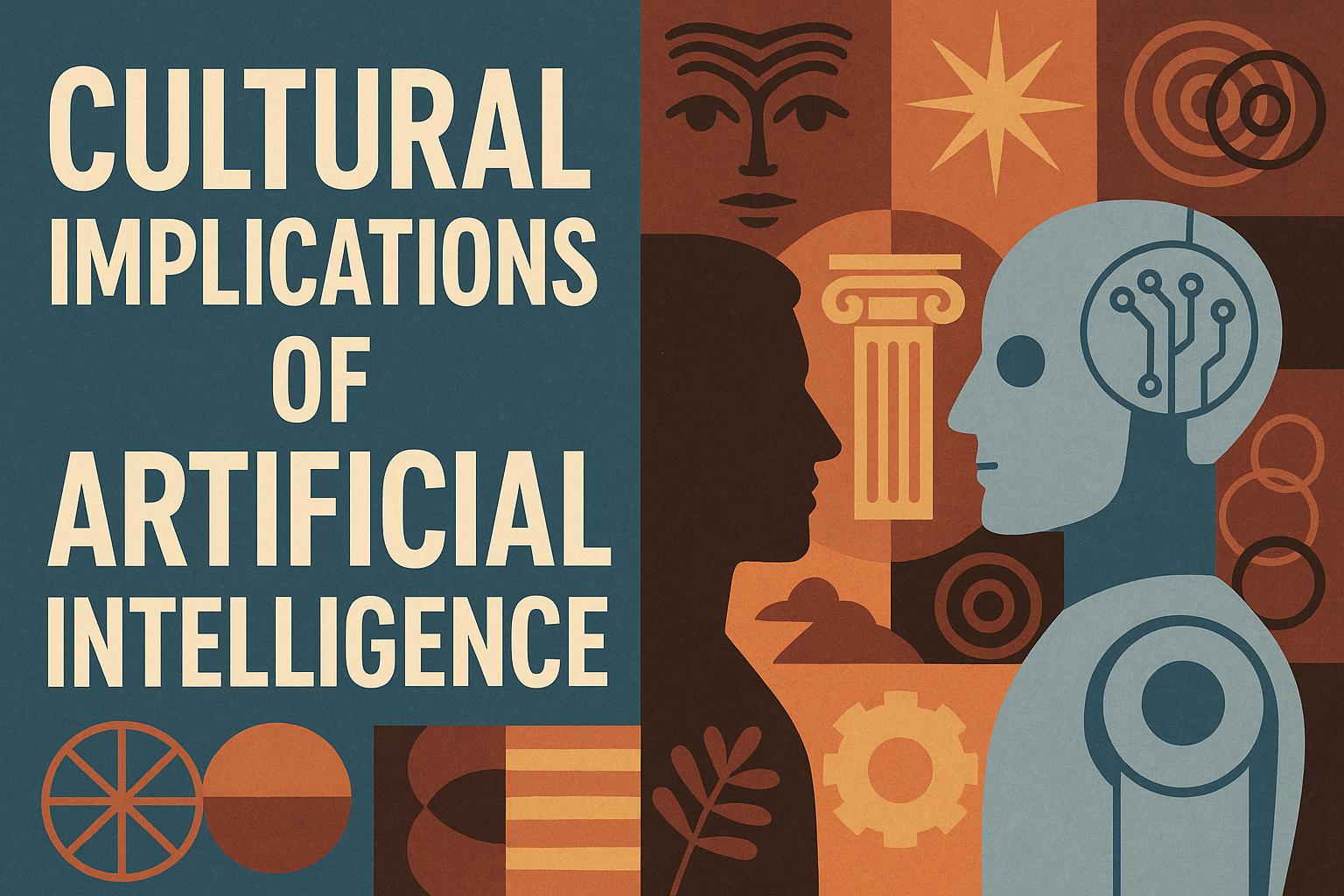
Artificial Intelligence (AI) is no longer confined to the realm of science fiction. As AI technologies continue to evolve, they bring substantial societal and cultural implications. This article examines the multifaceted impact AI has on various cultural practices and societal norms.
Language and Communication
One of the most immediate cultural impacts of AI is in the realm of language and communication. AI-driven translation tools can bridge language gaps, facilitating cross-cultural interactions with unprecedented ease. However, the nuances of language are deeply tied to cultural contexts, and AI’s ability to fully understand and translate these subtleties remains a work in progress. Language is a living entity, constantly evolving and reflecting the collective identity and history of a community. While AI provides tools for communication, it often struggles with the subtleties of dialects, idioms, and cultural expressions that are vital for meaningful interaction.
Preservation of Indigenous Languages
AI also has potential in preserving indigenous languages that are at risk of extinction. By digitizing and analyzing vast amounts of linguistic data, AI technologies can support efforts in maintaining these cultural heritages. For many indigenous communities, language is a cornerstone of cultural identity, and its preservation is paramount. AI tools can assist linguists in creating extensive databases of vocabulary and grammar, which can be used for education and revitalization efforts. Furthermore, AI can aid in the creation of language-learning apps tailored to indigenous languages, offering an accessible way for younger generations to engage with their linguistic heritage.
Art and Creativity
AI’s intersection with creativity raises interesting questions about the nature of art. AI-generated art challenges traditional notions of creativity, prompting debates on authorship and originality. While AI can generate artworks, it may lack the intentionality and emotional depth attributed to human creations. The use of algorithms to produce paintings, music, and literature opens new avenues for artistic exploration. However, it also calls into question the definition of creativity: is it merely the act of creation, or does it require a deeper, more intentional process? The role of AI as both a tool and a potential creator in the artistic process continues to be a topic of debate among artists and technologists.
AI in Music and Film
Music and film industries are also integrating AI, using it for both creative processes and logistical efficiencies. From composing symphonies to editing film trailers, AI technologies are reshaping artistic production, offering new tools for creators while simultaneously questioning the role of human artists. In music, AI can assist composers by suggesting chord progressions or generating entire pieces based on specific parameters. This can be particularly useful in film scoring, where AI might suggest themes or motifs that align with certain moods or scenes. In the film industry, the use of AI for editing and special effects can streamline production processes, allowing filmmakers to focus on storytelling. However, these advancements also raise questions about the future role of human creativity in art and entertainment.
Ethics and Bias
Cultural implications extend to the ethical considerations surrounding AI. Biases inherent in AI systems can reflect and perpetuate cultural stereotypes. The challenge lies in creating AI systems that are not only unbiased but also culturally sensitive. As AI systems are trained on existing data, they may reproduce or even exacerbate societal biases present in that data. The ethical development of AI involves scrutinizing these biases and ensuring that AI systems promote understanding and equity across diverse cultures.
Representation of Diverse Cultures
Ensuring diverse cultural representation in AI development is crucial. Comprehensive data sets that take into account a wide array of cultural backgrounds are essential for creating AI systems that are fair and equitable. This involves not only gathering diverse data but also involving a diverse range of voices in the development process. Culturally diverse teams can provide insights into how AI might interact with different cultural elements, helping to create systems that are sensitive and adaptable to various cultural contexts.
Impact on Employment and Lifestyle
The integration of AI in various sectors influences employment patterns and lifestyles. As AI automates certain tasks, it transforms occupational roles, potentially leading to cultural shifts in how work is perceived and valued. In many industries, the automation of routine tasks allows professionals to focus on more complex and creative activities, potentially increasing job satisfaction. However, it also raises concerns about job displacement and the need for new skills in a rapidly changing economic landscape.
Cultural Shifts in Work-Life Balance
The blending of AI-driven automation could contribute to redefining work-life balance, shifting cultural expectations around work hours and personal time. This might lead to significant changes in lifestyle and cultural priorities. As workplaces become increasingly flexible and remote work becomes more common, traditional notions of a nine-to-five job may evolve. AI could facilitate this transition by enabling efficient task management and communication across time zones, allowing individuals more freedom in how they structure their workdays. This flexibility could lead to a greater emphasis on personal fulfillment and well-being, as individuals gain more control over their schedules.
Conclusion
The cultural implications of artificial intelligence are vast and complex. While AI offers potential benefits in bridging cultural gaps and supporting creative fields, it also presents challenges in terms of ethics and diversity. As AI continues to develop, it is essential to consider its cultural impact to ensure that technological advancement is inclusive and equitable. The intersection of technology and culture must be approached with a careful balance of innovation and sensitivity to cultural contexts. This requires ongoing dialogue and collaboration among technologists, cultural experts, and policymakers to anticipate and address the challenges and opportunities that AI presents. By doing so, society can harness the transformative power of AI while preserving and celebrating cultural diversity.