Introduction to Cultural Dimensions of Climate Change Discourse
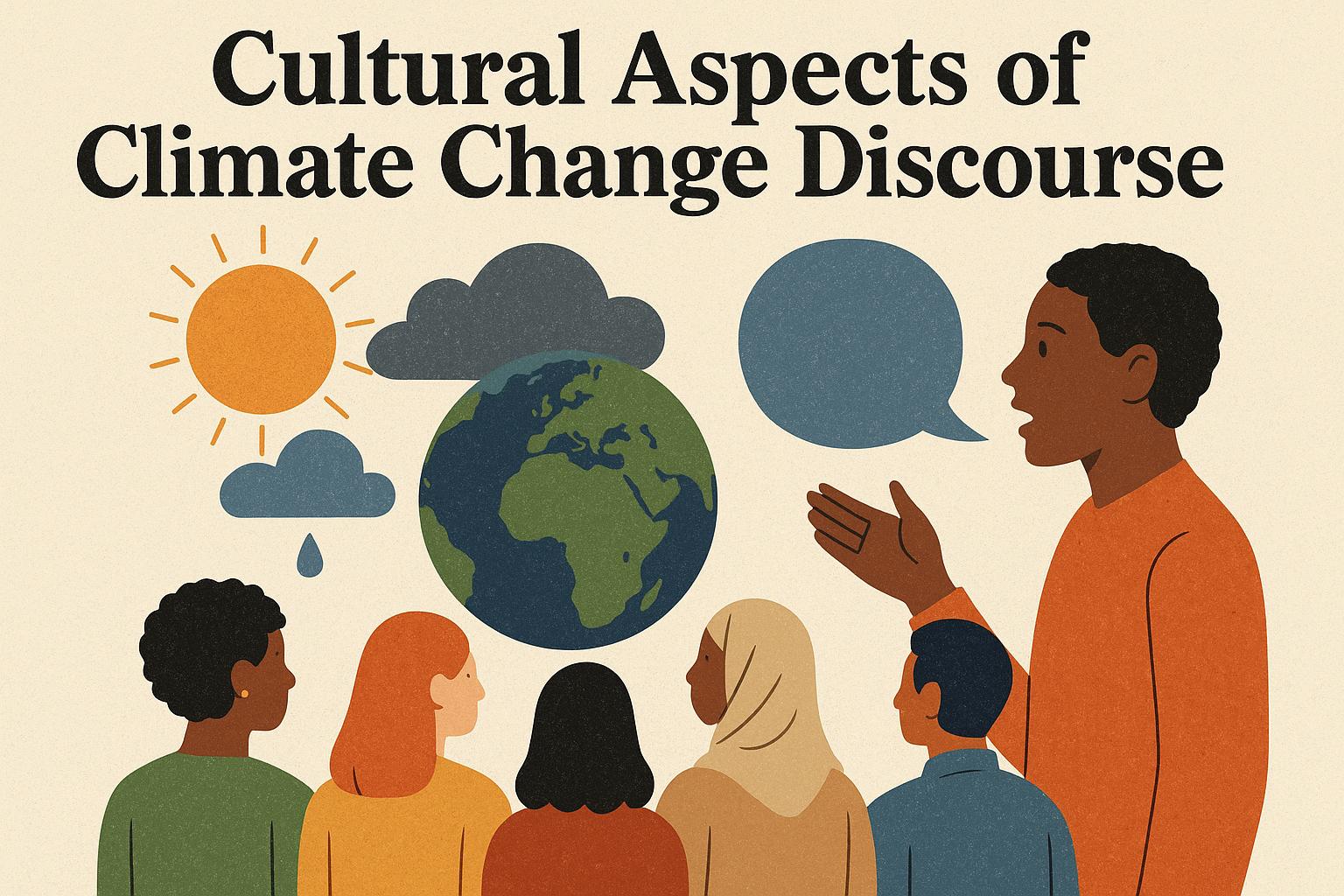
The discourse surrounding climate change is deeply embedded within cultural contexts. Cultural perspectives shape how individuals and societies perceive and respond to the challenges posed by climate change. Understanding these cultural aspects is essential for fostering effective communication and policy-making.
Cultural Perceptions and Climate Change
Cultural beliefs and values play a crucial role in shaping perceptions of climate change. Different cultures may interpret scientific data and environmental changes through various lenses. For example, cultures with strong traditions tied to nature may perceive climate change as not just a scientific issue but as an existential threat to their way of life. In contrast, cultures with a more anthropocentric view might prioritize economic concerns over environmental ones.
Example: Indigenous Communities
For many Indigenous communities, the impact of climate change is perceived intimately, affecting their spiritual, cultural, and physical environments. Their traditional knowledge systems often integrate complex ecological insights, which can contribute valuable perspectives to broader climate dialogues.
Influence of Language on Climate Discourse
Language plays a fundamental role in shaping climate change discourse. The terminology used in climate discussions can vary widely, impacting public understanding and engagement. The terms “global warming” and “climate change,” for instance, may evoke different interpretations and emotional responses due to cultural connotations.
Importance of Linguistic Nuances
In regions where the primary language lacks specific vocabulary related to environmental science, communicating the urgency of climate change can be challenging. Effective translation that respects linguistic nuances is crucial for meaningful dialogue and action.
Media Representation and Cultural Narratives
Media representation of climate change is another cultural aspect influencing public discourse. The way media outlets frame climate stories can reflect and reinforce cultural narratives. Sensationalist coverage might provoke fear, while another angle might emphasize resilience and adaptation.
Case Study: Media in Different Regions
Western media often highlight technological solutions and individual responsibility, whereas media in developing countries might focus on vulnerability and international justice. These varying narratives can either bridge or widen cultural divides in understanding climate change.
Conclusion: Fostering Cultural Inclusivity in Climate Dialogue
To create inclusive and effective climate change discourse, it is essential to acknowledge and integrate diverse cultural perspectives. Encouraging intercultural dialogue, respecting traditional knowledge, and adjusting communication strategies to fit cultural contexts can lead to more comprehensive and cooperative approaches to climate challenges. Understanding the cultural dimensions of climate change is not merely about recognizing diversity but is also key to crafting effective global solutions.
Global Climate Change Narratives
As globalization continues to connect societies worldwide, the narratives of climate change encounter both convergence and divergence across cultural horizons. While the universal nature of climate change means that its effects have repercussions worldwide, the way it is discussed and addressed is heavily influenced by local cultural narratives, historical contexts, and societal priorities.
Historical and Cultural Influences on Climate Conversations
Histories of industrial expansion, colonization, and development shape contemporary views and policies on climate change. In many Western countries, where industrial growth has been historically significant, there is often a focus on technological innovations and market-oriented solutions to climate change. Conversely, countries that experienced colonization might prioritize climate justice, emphasizing the need for historical accountability and equitable resource distribution.
Additionally, cultural myths and stories influence how societies perceive environmental stewardship. Communities with rich oral histories often incorporate climate and environmental stories into their cultural framework, maintaining narratives that inform their climate actions and priorities.
The Role of Religion and Spirituality
Religion and spirituality significantly contribute to shaping the climate change discourse in various cultures. In some societies, religious teachings stress stewardship of the Earth, emphasizing the moral obligation to protect the planet. Spiritual beliefs may reinforce or even contradict scientific explanations of climate phenomena, affecting policy and community responses to environmental challenges.
Religious institutions can also be powerful allies in climate action, mobilizing resources and people toward sustainable practices. By intertwining spiritual beliefs with scientific understanding, communities can foster a harmonious approach to confronting climate issues.
Education and Public Perception
Educational systems play a pivotal role in shaping public perceptions of climate change. The integration of climate science into curricula varies across cultures, impacting how young people understand and engage with climate issues. In some countries, comprehensive environmental education is prioritized, equipping students with knowledge and skills to address climate challenges effectively.
Incorporating culturally relevant examples and incorporating local environmental knowledge into educational content can enhance understanding and foster greater connection to global climate narratives. By contextualizing climate education within cultural frameworks, educators can promote better comprehension and proactive engagement with climate issues.
Policy Implications and Cultural Contexts
Effective climate policies require an acute awareness of cultural contexts. Policymakers must anticipate diverse cultural reactions and address the varying needs and priorities of different communities. Policies that disregard cultural values and traditions may face resistance, reducing their efficacy and the willingness of communities to engage in cooperative climate actions.
Collaborative policy development that incorporates cultural insights can increase community buy-in and ensure policies resonate with local values and lifestyles. This approach supports the creation of sustainable and culturally aligned solutions to the multifaceted challenges posed by climate change.
Challenges and Opportunities in Bridging Cultural Divides
While cultural diversity can make international consensus on climate issues challenging, it also presents an opportunity for learning and innovation. By sharing diverse knowledge systems, societies can broaden their understanding of climate issues and explore a wider array of strategies to tackle them. Building platforms for intercultural exchange can facilitate these opportunities, fostering a more inclusive global conversation on climate change.
Overcoming Stereotypes and Misconceptions
To achieve genuine intercultural dialogue, it’s essential to overcome stereotypes and misconceptions. Misunderstandings can lead to prejudice and hinder cooperative efforts. Facilitating environments where cultures are respected and heard allows for mutual respect and deeper understanding.
The Role of Technology in Cultural Exchange
Technological advancements have the potential to bridge cultural divides concerning climate change discourse. Digital platforms enable cross-cultural communication, allowing individuals and organizations to share knowledge, collaborate on projects, and engage with diverse perspectives. Through technology, isolated communities can access global dialogues, contributing their voices to collective climate action.
However, technology should be used cautiously to ensure it enriches rather than diminishes cultural values. Balancing digital connectivity with cultural preservation is crucial in maintaining the richness of global cultural narratives.
Opportunities for Collaborative Research
Multicultural research on climate change can yield comprehensive insights that single-culture studies might miss. Cross-cultural collaborations can lead to innovative solutions, drawing on the best of varied traditions and scientific approaches. Encouraging international research partnerships can help synthesize diverse knowledge bases in a manner that promotes shared understanding and united action.
Conclusion: Towards a Unified Global Response
The cultural dimensions of climate change discourse highlight the need for sensitivity and inclusivity in formulating responses to the environmental crisis. By embracing cultural diversity, fostering intercultural dialogues, and integrating local knowledge and traditions, the global community can strengthen its approach to addressing climate challenges. Cultural considerations are not peripheral to the climate discourse; they are central to building resilient and sustainable global strategies that benefit everyone equally, ensuring a livable planet for future generations.