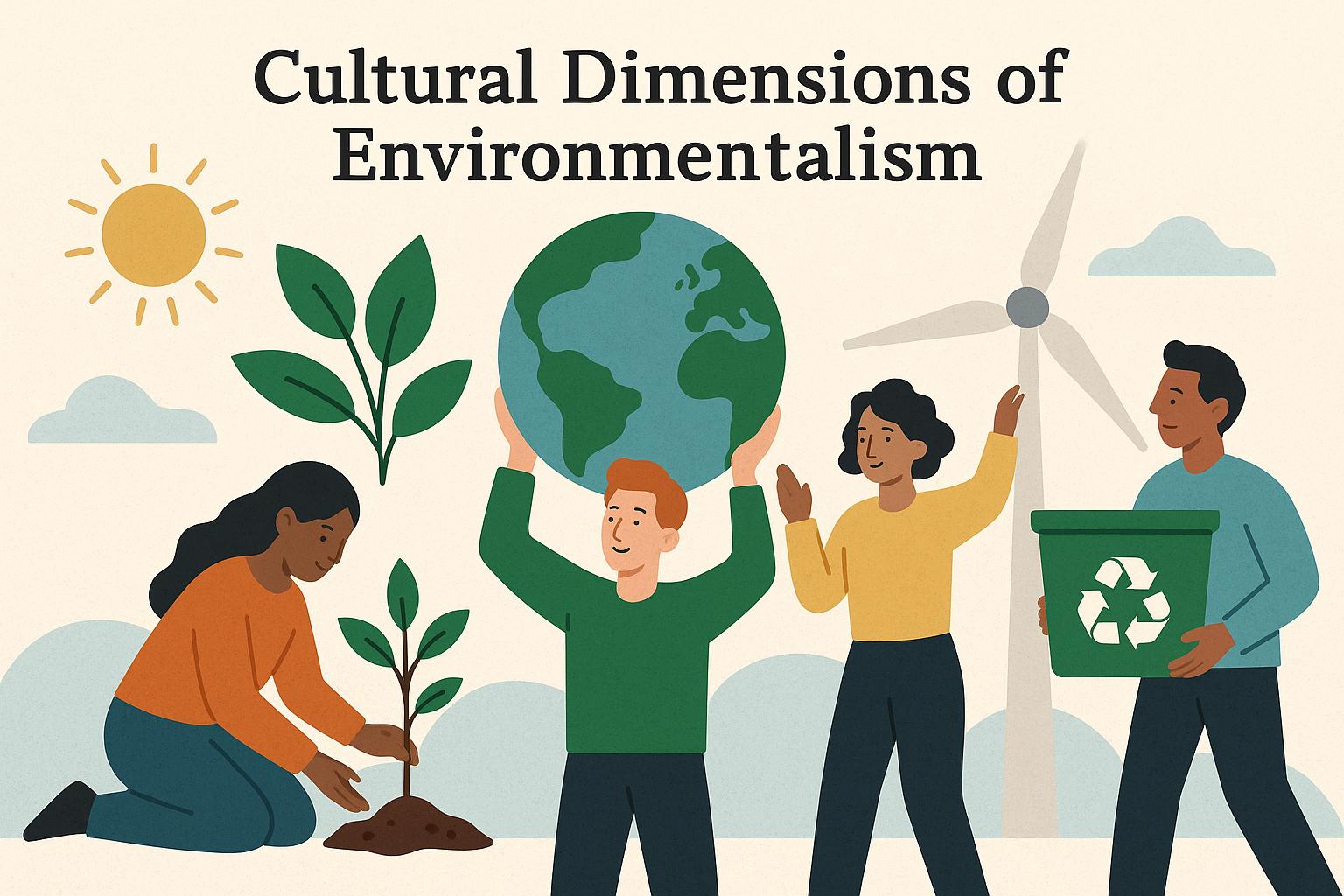
The Cultural Dimensions of Environmentalism
Environmentalism is a multifaceted concept that encompasses the practices, ideologies, and social movements aimed at addressing the challenges posed by environmental degradation. It seeks to bring about changes to policies, behaviors, and practices, enabling a sustainable future for current and future generations. While environmental issues are global in scope, the cultural dimensions of environmentalism vary significantly across different regions and communities. Understanding these cultural aspects is crucial for the effective implementation of environmental policies and initiatives, as well as for fostering a globally inclusive approach to safeguarding our planet.
Historical Context
Environmentalism as a formal movement emerged prominently in the 20th century. However, its essence has deep historical roots, with concern for the environment being evident in various traditional practices and beliefs worldwide. For example, many indigenous cultures have a longstanding respect for nature and a deep understanding of ecological balance. These beliefs often emphasize the interconnectedness of all living things and the importance of sustainable resource management. Traditional ecological knowledge, nurtured over centuries, continues to contribute invaluable insights into environmental conservation today.
Western Environmentalism
In Western societies, the environmental movement gained momentum during the 1960s and 1970s. This growth was fueled by a burgeoning awareness of issues such as pollution, habitat destruction, and biodiversity loss. Initially driven by these concerns, Western environmentalism has often been characterized by activism and legislative efforts. Various non-governmental organizations, scientific bodies, and grassroots movements have played critical roles in advocating for change. The resulting efforts have led to the establishment of protected areas, the development of environmental education programs, and the passage of comprehensive environmental laws aimed at curbing pollution and conserving natural resources.
Eastern Perspectives
Unlike Western approaches, environmentalism in Eastern cultures often intertwines with spiritual philosophies and practices. Many Eastern religions, including Buddhism, Hinduism, and Shintoism, incorporate principles of harmony with nature and eco-friendly living. These philosophical underpinnings have long promoted a lifestyle that inherently respects and regards the natural world. The emphasis on balance, moderation, and mindfulness influences both individual and community actions concerning the environment. Consequently, many Eastern communities are guided by a sense of spiritual commitment and duty towards protecting the environment, embedding these values deeply into their social fabric.
Contemporary Challenges
Today’s environmental challenges, such as climate change, deforestation, and pollution, require global cooperation and culturally-sensitive approaches. While universal in their impact, these challenges are perceived and addressed differently across cultures due to varying priorities, economic conditions, and political frameworks. The urgency of climate change, in particular, has prompted unprecedented global discussions, leading to international agreements such as the Paris Agreement. Nevertheless, the pathway to achieving global environmental goals demands an understanding of diverse cultural perspectives and the ability to adapt strategies to fit local needs.
The Role of Indigenous Knowledge
Indigenous communities possess invaluable knowledge regarding traditional sustainable practices. Recognizing and integrating this knowledge into contemporary environmental strategies has the potential to significantly enhance conservation efforts. Indigenous peoples have long practiced resource management strategies that emphasize sustainability, resilience, and adaptability to environmental changes. Through methodologies such as rotational agriculture, hunting regulations, and sacred sites protection, indigenous knowledge provides crucial insights into ecosystem management. The cultural wisdom and practices that have preserved ecosystems for centuries serve as a testament to the importance of aligning modern environmental policies with indigenous traditions.
Globalization and Environmental Awareness
Globalization has facilitated the exchange of environmental ideas and practices, fostering a more interconnected understanding of environmentalism. The rising influence of digital media, international collaboration, and global networks has enhanced environmental awareness on a scale previously unimaginable. However, globalization has also presented challenges, especially the spread of consumerist lifestyles that exploit natural resources unsustainably. Many cultures grapple with the dilemma of balancing economic development with environmental protection. These tensions highlight the necessity for inclusive approaches that consider the economic aspirations of developing regions while ensuring ecological integrity.
Conclusion
Understanding the cultural dimensions of environmentalism is essential for fostering effective environmental stewardship worldwide. By appreciating the diverse cultural perspectives and incorporating them into global environmental strategies, there is potential for more sustainable and culturally-responsive solutions to the pressing environmental issues of our time. The integration of cultural values with environmental objectives not only enriches the global dialogue on sustainability but also inspires tailored solutions that resonate with local communities across the globe. Such nuanced approaches are vital for ensuring that environmental initiatives are not only effective but also equitable and respectful of cultural diversity, ultimately leading to a more harmonious coexistence with nature.