Street Art: A Form of Cultural Rebellion
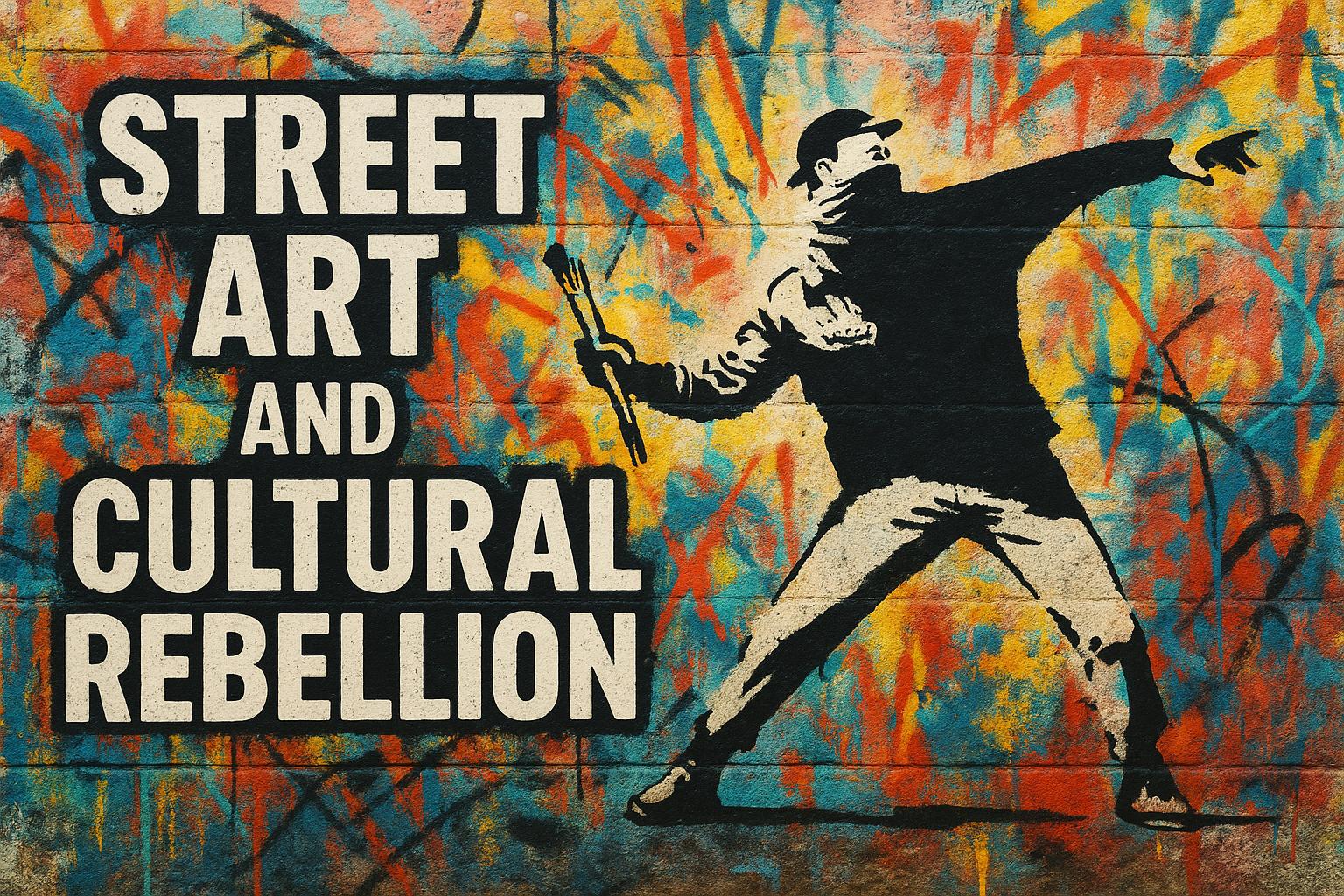
Street art has long served as a powerful medium for cultural rebellion, providing artists with a platform to express dissent, challenge societal norms, and raise awareness about pressing social issues. Unlike traditional art forms, street art is often created outside the confines of galleries and museums, making it more accessible to the public and fostering a direct interaction between art and audience.
Origins and Evolution
While graffiti has ancient origins, modern street art began to take shape in the late 20th century. It was during the 1970s and 1980s that cities like New York and Philadelphia became hubs for this burgeoning art form, characterized by its use of spray paint and stencils to create expansive, colorful pieces on urban walls. Initially, this movement was deeply intertwined with hip-hop culture and was seen as a means of expression for marginalized communities who found their voice through images rather than words.
In contemporary times, street art has morphed into a global and diverse phenomenon, far surpassing its original context. Today’s street artists employ a myriad of techniques, ranging from wheat-pasting and stickers to full-scale installations, to engage with the urban landscape. This evolution has allowed street art to delve into a wide array of themes, including political oppression, environmental conservation, and the quest for social justice. As a result, street art has become an integral element of cultural commentary.
Street Art as Political Commentary
Throughout history, street art has served as a potent tool for political commentary. In societies where freedom of expression is curtailed, street art emerges as a form of silent protest. During the era of Soviet control in Eastern Europe, street art often symbolized resistance and defiance against oppressive government regimes.
Even in relatively free and democratic societies, street art plays a crucial role in spotlighting social injustices such as income disparity, racial inequalities, and systemic corruption. The intrinsic accessibility of street art allows it to engage a broad audience, thus facilitating essential dialogue and encouraging public debate on critical societal issues.
Public Perception and Legal Issues
The boundary between street art as a celebrated cultural expression and its condemnation as vandalism is often blurred. Legal perspectives on street art vary widely across different countries and cities. While some locales embrace street art as an enriching part of the cultural landscape, others view it as an illegal act of defacement. This dichotomy reflects broader societal debates surrounding art’s role, property rights, and the use of public space.
In recent years, an increasing number of local governments and private property owners have begun to commission murals and give legal recognition to certain works, thereby integrating street art into the urban fabric. In contrast, unauthorized pieces are often swiftly removed or painted over, posing a continuous challenge for artists. Nonetheless, many artists remain undeterred, driven by the need to publicly communicate their messages.
Impact and Legacy
The influence of street art reaches far beyond the artworks themselves, affecting urban development, tourism, and cultural identity. Iconic pieces by renowned artists, such as Banksy, have transformed street art into a formidable cultural and economic force. Recognizing its value, numerous cities are now leveraging street art to cultivate vibrant neighborhoods and attract tourists and residents alike.
The legacy of street art as a medium of cultural rebellion is firmly rooted in its ability to provoke critical thought and inspire societal change. By constantly challenging conventions and offering fresh perspectives on enduring issues, street art underscores the power of creativity to engage with and confront societal difficulties. As such, it remains a pivotal form of cultural resistance and expression.
Street art’s dynamic nature ensures it continues to evolve and adapt, reflecting the shifting concerns and aspirations of societies globally. In doing so, it maintains its relevance as both a mirror and a catalyst for change, continually asking us to reconsider our world and our place in it.