The Role of Dance in Human Culture
Dance has long been a significant part of human culture, serving not only as a form of entertainment but also as a means of communication, cultural expression, and social interaction. Viewed through an anthropological lens, dance reveals insights about the values, beliefs, and practices of a society. As we delve deeper into the multifaceted role of dance, we gain an understanding of its power and influence across various aspects of human life.
Dance as a Form of Communication
In many cultures, dance functions as a non-verbal language, capable of conveying complex ideas and emotions. The use of gestures, movements, and rhythms integral to a dance can communicate narratives beyond the limitations of spoken words. This form of communication is not constrained by linguistic barriers, allowing its message to resonate with diverse audiences. The Haka—a traditional dance from the Maori people of New Zealand—exemplifies how dance can be utilized for expressing messages of unity, strength, and community spirit. Through synchronized movements and chanting, participants in the Haka evoke a wide range of emotions, such as defiance, welcome, or farewell.
Furthermore, dance has the capability to symbolize abstract concepts and emotions, conveying themes such as love, conflict, or joy. Classical Indian dance forms like Bharatanatyam are adept at storytelling, using intricate facial expressions and hand gestures, known as mudras, to depict tales from Hindu mythology. This ability to communicate through embodied expression makes dance a vital tool in preserving and passing down cultural narratives from one generation to the next.
Cultural Expression Through Dance
Dance serves as a powerful vehicle for cultural expression, reflecting a community’s heritage, religious beliefs, and social structures. In many societies, traditional dances are performed during rituals and ceremonies, encapsulating centuries-old traditions. These dances play a critical role in maintaining cultural continuity and celebrating identity. The meticulous footwork and elaborate costuming seen in cultural dances offer insights into a society’s aesthetics and values.
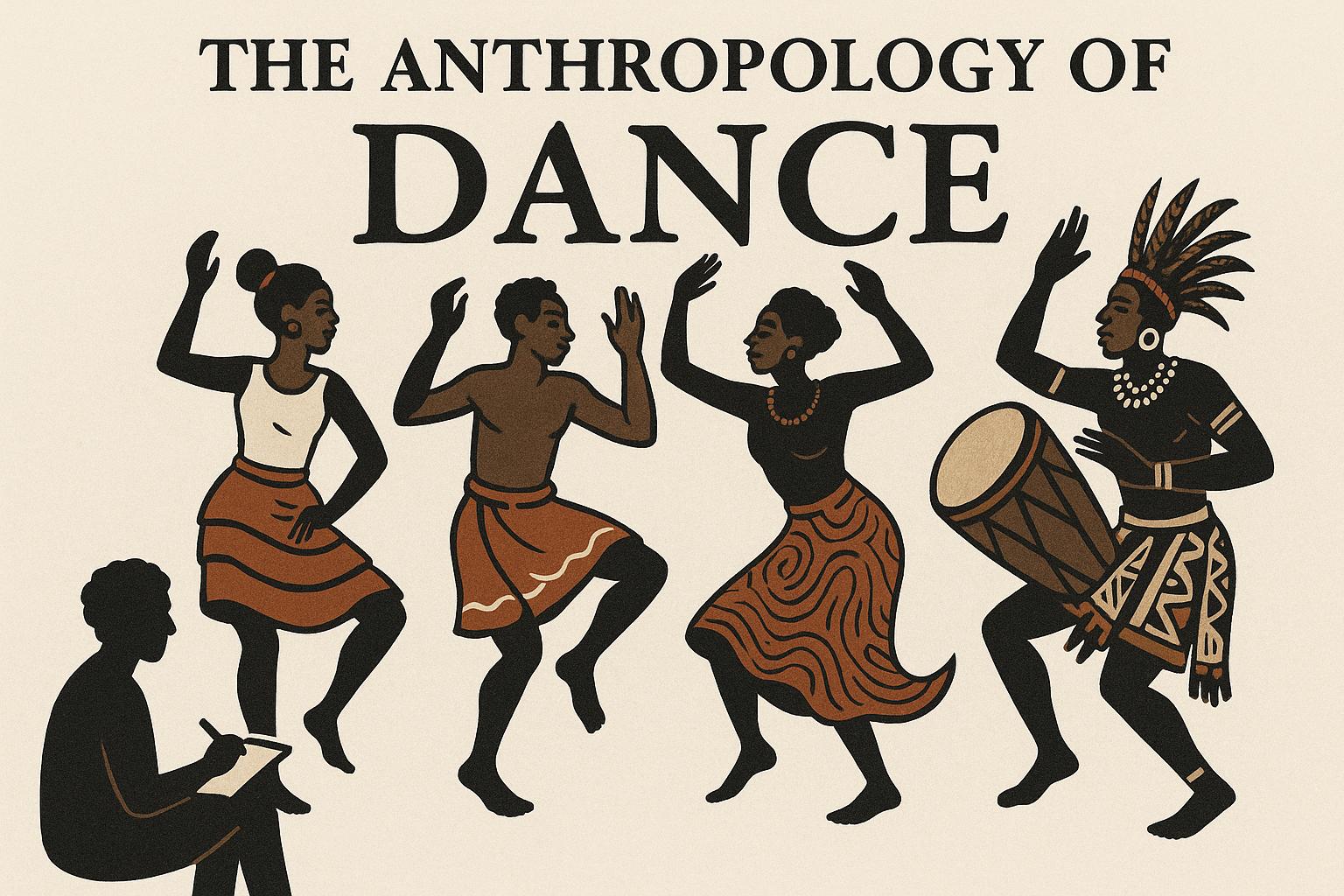
For example, Indian classical dance forms such as Kathak and Bharatanatyam are deeply interwoven with Hindu epics and cultural narratives, presenting mythological stories through a combination of expressive body movements and rhythmic music. Similarly, African tribal dances often incorporate elements of nature, spirituality, and lifecycle events, serving as a living testament to the diverse cultural landscapes from which they originate.
Besides, the evolution of dance forms can also reflect historical and social changes within a culture. As societies undergo transformations, their traditional dances may adapt to new circumstances or blend with other styles, resulting in a dynamic cultural evolution that is visible in the art of movement.
Social Functions of Dance
Beyond its role in religious and cultural expression, dance fulfills essential social functions. It naturally brings people together, fostering a sense of community and belonging. In communal settings, dances can strengthen social bonds, facilitate the exchange of cultural knowledge, and create a shared identity. Social dances, seen in environments ranging from village gatherings to urban nightclubs, illustrate the universal appeal and adaptability of dance in fostering social connections.
In various cultures, dance serves as a catalyst for social interaction, helping individuals bond over a shared experience. In a wedding or festival, people often engage in collective dances, reinforcing social ties and celebrating togetherness. Moreover, dance is a critical medium for transmitting cultural customs and values to younger generations, ensuring the continuity of cultural heritage.
Social dancing also serves as an egalitarian platform, where people of different backgrounds and social statuses come together in a participatory art. Such experiences promote inclusivity and mutual understanding, as individuals express themselves freely and collaborate in shared enjoyment.
Dance and Its Evolutionary Perspectives
Anthropologists have explored the evolutionary aspects of dance, proposing that it may have played a role in human evolution. As a form of non-verbal communication, dance could have served essential functions in early human societies. One theory suggests that dance was a form of sexual selection, allowing individuals to showcase their vitality and attractiveness to potential mates. The display of rhythm and coordination during a dance could signal genetic fitness, influencing mate choice and thereby affecting evolutionary processes.
Another perspective is that dance functioned as a tool for social cooperation and cohesion during the early development of human communities. Participatory dance, which involves synchronizing movements with others, can help build interpersonal trust and solidarity. It serves as a communal activity that promotes the formation of tight-knit social groups, essential for survival in ancestral environments.
Diversity and Adaptation of Dance
The global diversity of dance forms is a testament to its adaptability and resilience. Each culture has developed its unique styles and forms, celebrating the artistic expression intrinsic to human nature. From the elegant and restrained movements of classical ballet to the vibrant and rhythmic beats of African tribal dances, the variations in dance highlight the ways it is continuously shaped by cultural changes, exchanges, and individual creativity.
Dance also continuously adapts to new contexts and environments. As people migrate and cultures interact, dance forms often blend and fuse, leading to hybrid styles and new genres. This adaptability demonstrates the resilience of dance in coping with a changing world and addressing contemporary themes.
Urban settings particularly illustrate dance’s adaptability, as seen in the evolution of street dance and hip-hop culture. These modern forms of dance have emerged as vital means of expression and resistance, addressing issues like social justice and identity in a rapidly globalizing world.
Conclusion
In summary, the anthropology of dance provides valuable insight into the myriad ways humans use movement to express themselves, transmit culture, and interact socially. Through its various roles, dance enriches human culture by functioning as a means of communication, a repository of cultural heritage, a tool for social bonding, and an evolutionary mechanism. Understanding dance within its cultural context allows for a deeper appreciation of its role in human society, revealing the intricate connections between body, mind, and culture. Through this understanding, we gain not only a deeper appreciation for the artistry inherent in dance but also a recognition of its continued importance in cultural dialogue and collective identity formation across the globe.