Introduction to Cultural Studies of the Internet
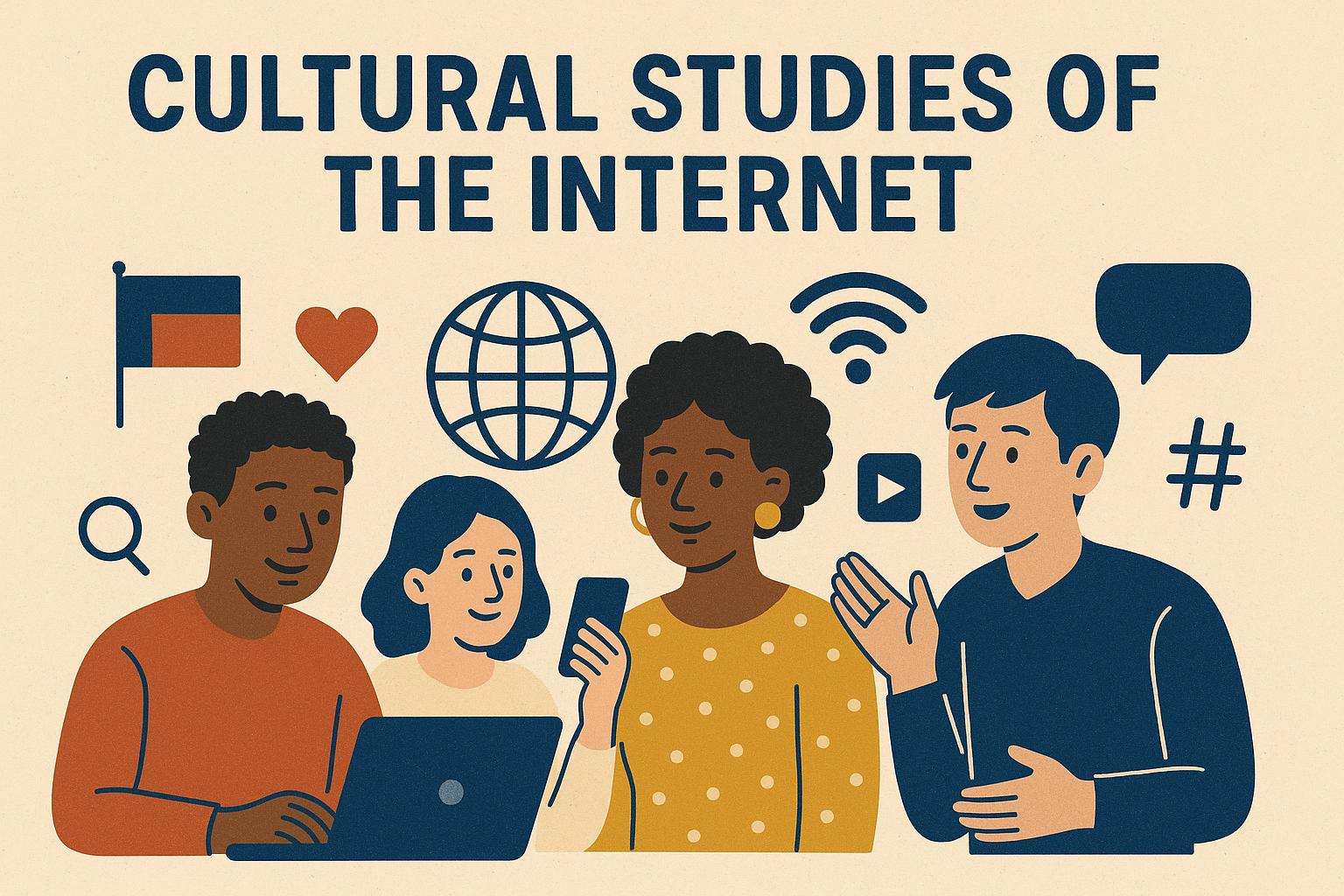
The internet has revolutionized communication, bridging geographical gaps and fostering a global flow of information and culture. The field of cultural studies of the internet examines this transformative digital landscape, exploring how it impacts and shapes cultural norms, practices, and identities. This exploration provides valuable insights into the intricate ways in which the internet influences societal structures and individual behaviors, adapting old concepts and bringing forth new ones that challenge existing paradigms.
Theoretical Foundations
Cultural studies combine various disciplines, including sociology, anthropology, and media studies, to analyze cultural phenomena. This interdisciplinary approach aims to dissect the complex layers of meaning within society. When applied to the internet, this approach seeks to understand how online activities reflect and influence cultural meanings and social relations. Many scholars focus on concepts such as power dynamics, identity formation, and community building within digital spaces. These concepts allow for the examination of how technology mediates and redefines human interaction and cultural evolution.
Identity and Self-Presentation
The internet provides a unique platform for self-expression and identity exploration. Users can curate online personas through social media profiles, blogs, and virtual avatars, often experimenting with different facets of their identities. This opportunity for identity play means that individuals can explore aspects of themselves that may be repressed in physical spaces due to societal norms or personal inhibitions. Researchers in cultural studies examine how individuals present themselves online, considering factors such as authenticity, anonymity, and performative aspects of digital identity. They investigate how the construction of digital identities differs from offline identities and the implications these differences have for personal and social dynamics.
Power and Control in Digital Spaces
The internet is not a neutral space; it reflects existing societal power structures and, in some cases, exacerbates them. The study of the internet through a cultural lens often concerns itself with issues of control over information, corporate influence, and surveillance. These factors contribute to the contested nature of the digital realm, where control is exerted by both state and non-state actors. Questions about the democratizing potential of the internet are juxtaposed with critiques of how digital technologies can impose new forms of inequality and oppression. For example, algorithms and data analytics can reinforce biases, while access to technology can be unevenly distributed along socio-economic lines.
Community and Collective Action
Digital platforms have facilitated the formation of diverse online communities, from grassroots activism to niche interest groups. These communities challenge the conventional boundaries of space and time by enabling interactions that are not confined to physical proximity. Cultural studies scholars investigate how these communities form, the nature of their interactions, and their impact on both local and global scales. This includes how online communities can support social movements and influence political change. The ability of digital platforms to mobilize support quickly has been transformational for activism, enabling rapid information sharing and coordination.
Globalization and Cultural Exchange
The internet is a catalyst for globalization, allowing the cross-cultural exchange of ideas and practices. It provides a platform where cultural artifacts can be shared instantly, transcending traditional boundaries and creating new cultural hybrids. Cultural studies explore the tension between homogenization and cultural diversity on the internet, questioning whether digital communication leads to a singular global culture or a mosaic of interconnected local cultures. The fear of cultural homogenization is weighed against the potential for enriching cross-cultural interactions that promote mutual understanding and respect.
Methodologies in Cultural Studies of the Internet
Cultural studies employ qualitative methods to understand the nuances of digital culture. Ethnographic studies, content analysis, and discourse analyses are common approaches, allowing researchers to delve deeply into specific online environments, behaviors, and cultural artifacts. Ethnography, for instance, involves immersing oneself into online communities to observe social practices and interactions in detail. Content analysis and discourse analysis allow scholars to decode the language, symbols, and narratives found in digital content. These methodologies provide tools to capture the dynamic and multifaceted nature of digital cultures.
Conclusion
The cultural studies of the internet offer critical insights into how digital technologies influence and reshape societies. This field highlights the ongoing interaction between culture, technology, and societal change, and emphasizes the internet’s role as both a cultural conduit and catalyst. As the internet continues to evolve, this field remains vital in understanding the multifaceted interplay between culture, society, and technology. Continued research in this area will enrich our understanding of digital transformations and help societies navigate the complex challenges and opportunities that arise from a globally connected world.