Understanding Masculinity in Contemporary Cultures
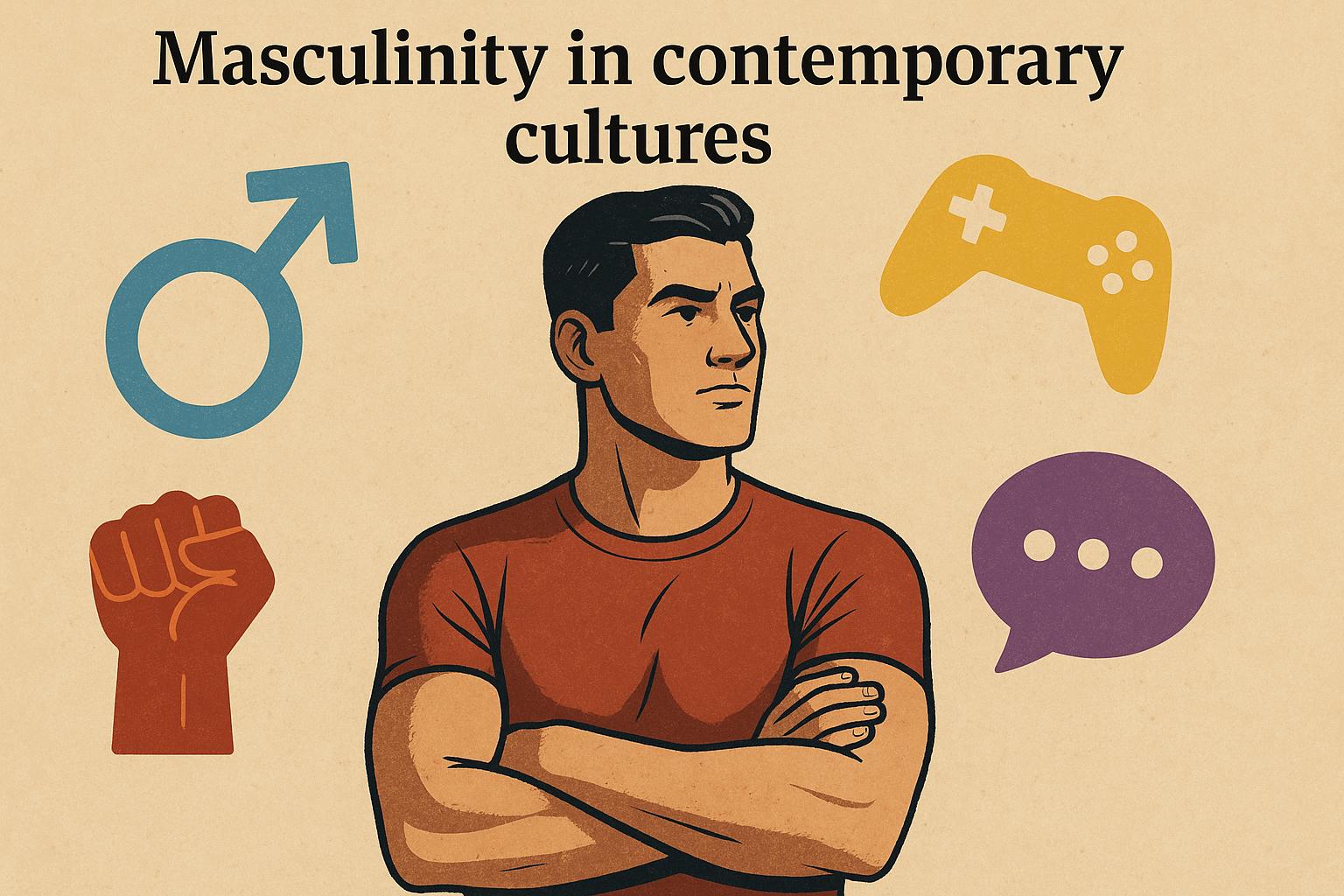
Masculinity in contemporary cultures is an evolving concept influenced by historical, social, and economic factors. Traditionally associated with attributes such as strength, assertiveness, and dominance, the perception of masculinity is now subject to significant scrutiny and reevaluation. The complexities surrounding this topic necessitate a comprehensive look into how masculinity has transformed and how it continues to adapt in response to changing societal norms.
Historical Context
The idea of masculinity has varied across different cultures and periods. In many ancient societies, masculinity was closely linked to roles as warriors or leaders. Over time, these attributes became entrenched in societal expectations, emphasizing a man’s role as a provider and protector. Across various cultures, the concept of masculinity has manifested in differing ways. In ancient Greece, for example, masculinity was often associated with physical prowess and intellectual capability, while during the age of chivalry in medieval Europe, traits such as gallantry and honor took precedence.
Transitioning into the modern era, the industrial revolution further shaped these perceptions by positioning men primarily as the breadwinners in a rapidly industrializing society. This reinforced notions of masculinity as being tied to economic provision and physical labor. The mid-20th century saw the emergence of the “rugged individualist” archetype, emphasizing individualism, competition, and success as further extensions of a masculine identity.
Changing Views on Masculinity
In recent decades, movements toward gender equality and the questioning of traditional gender roles have challenged the conventional perceptions of masculinity. The women’s liberation movement played a pivotal role in this shift, advocating not only for women’s rights but also questioning the rigid structures of gender itself.
The increasing visibility of diverse gender identities and sexual orientations has further contributed to a broader understanding of what it means to be masculine in today’s world. This shift is evident in the rise of terms like “toxic masculinity,” which criticize behaviors traditionally associated with masculinity that reinforce dominance over vulnerability. These discussions push for reformation within the binary understanding of gender, opening up spaces for more inclusive interpretations.
Influence of Media and Pop Culture
Media and pop culture play a crucial role in shaping modern perceptions of masculinity. Depictions of male characters in film, television, and literature reflect and influence societal attitudes. While some media reinforce traditional stereotypes, others offer more nuanced portrayals, with characters embodying both strength and vulnerability. The portrayal of masculinity has now taken multifaceted turns, with characters demonstrating empathy, emotional intelligence, and collaboration.
For instance, the success of superhero films has often been reflective of this shifting perspective. Characters who once epitomized invulnerability and stoic dispositions are now shown grappling with their inner conflicts, expressing emotions, and valuing partnerships. Such portrayals have suggested a more holistic approach, promoting a wider acceptance of emotions as congruent with masculinity rather than oppositional.
Masculinity and Mental Health
Discussions around masculinity have also highlighted the impact of traditional gender norms on mental health. The pressure to conform to societal expectations can lead to issues such as anxiety and depression among men. Common cultural tropes such as “boys don’t cry” contribute to stigmatizing emotional expressiveness, which in turn can exacerbate feelings of isolation or inadequacy.
Addressing these concerns involves promoting open conversations about emotions and normalizing seeking help. Campaigns and public figures advocating for mental health awareness have sought to break these stigmas, encouraging men to embrace vulnerability without viewing it as a weakness. Mental health professionals emphasize the importance of creating safe spaces where men can articulate their feelings without fear of judgment, thereby fostering a healthier self-concept and community.
Role of Education and Advocacy
Educational initiatives and advocacy work aim to redefine masculinity, encouraging acceptance of diverse expressions of male identity. Implementing these themes into school curriculums allows young individuals to explore concepts of gender in nurturing environments, prompting dialogues around the fluidity of identity from an early age. By fostering inclusivity, schools play a key role in reshaping attitudes towards masculinity, promoting empathy and understanding.
Community programs dedicated to dismantling harmful stereotypes also contribute significantly to reshaping societal norms. Advocacy groups work tirelessly to highlight the broader implications of rigid gender roles, encouraging policy changes and public discourse that align with inclusive ideals.
Contemporary Challenges
Despite progress, challenges remain in changing entrenched views. Some segments of society might resist evolving definitions, perceiving them as a threat to established norms. This resistance can stem from a broad-spectrum misunderstanding or from a genuine fear of losing a cultural heritage associated with traditional masculinity.
It is essential to engage in continuous dialogue, challenging stereotypes without alienating those who may feel insecure about these changes. This involves fostering environments where different perspectives can be discussed respectfully, bridging gaps within intergenerational and intercultural contexts.
Conclusion
Masculinity in contemporary cultures is not a static or universal concept. It involves a dynamic interplay of tradition, cultural influences, and individual expression. While progress has been made in redefining masculinity to be more inclusive and empathetic, ongoing efforts are necessary to ensure that all expressions of male identity are respected and valued. Embracing a broader understanding not only enriches the male experience but also contributes to a more equitable and harmonious society. As we advance, the continual reevaluation and open conversation about masculinity will be critical in shaping a world that celebrates diversity and acceptance.