Understanding Gaming Cultures
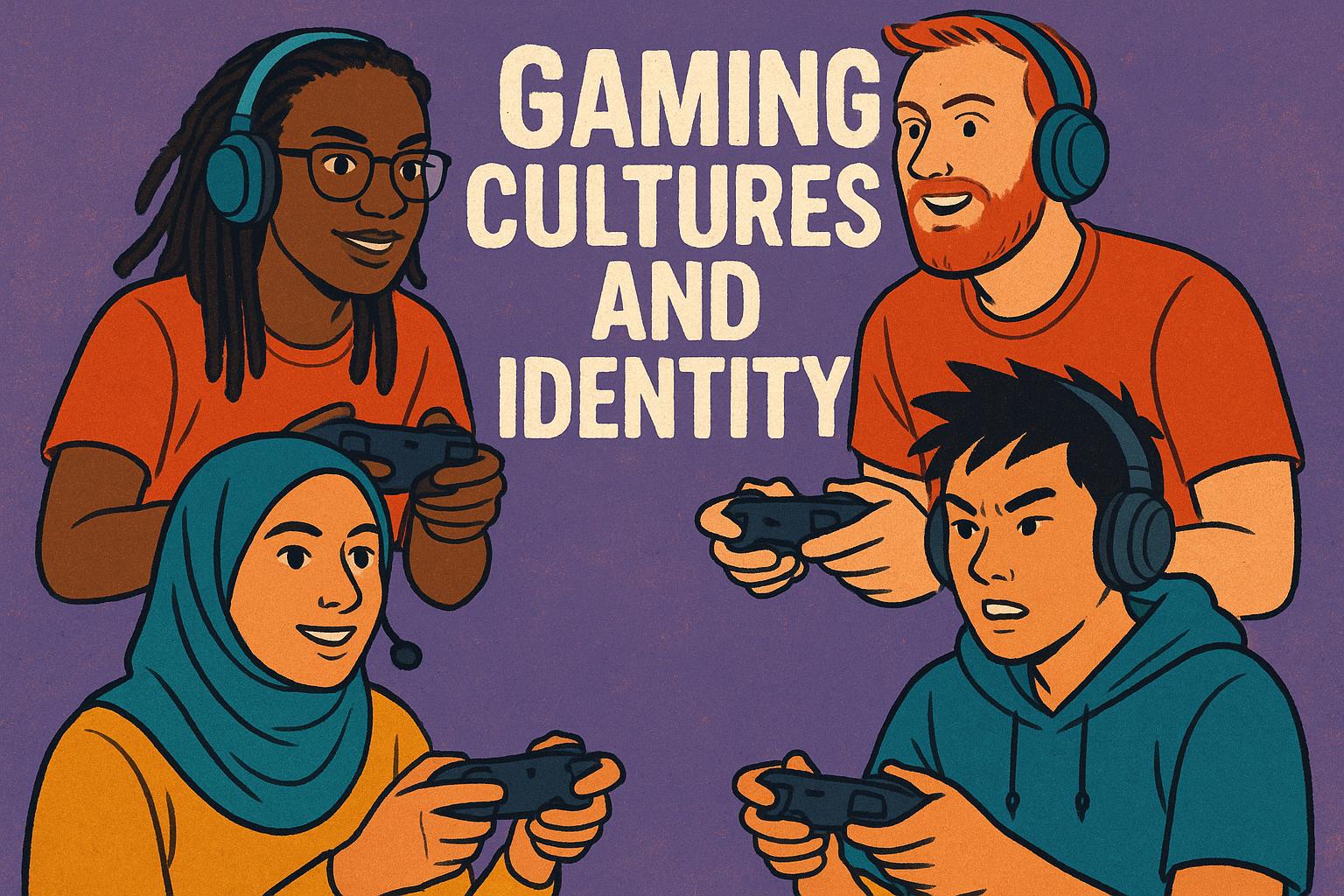
In recent years, gaming has grown from a niche hobby to a significant cultural phenomenon. People from diverse backgrounds engage in various gaming formats, ranging from console and PC to mobile and online games. The expansion of gaming has fostered diverse cultures and communities that significantly influence players’ identities.
Defining Gaming Cultures
Gaming cultures refer to the shared practices, values, and social norms found within gamer communities. These cultures are dynamic, evolving alongside technological advancements and changes in societal attitudes toward gaming. Gaming cultures can manifest in different forms, including competitive gaming, casual playing, and fan-driven content creation. These cultures create distinct identities and often foster a sense of belonging among players.
Characteristics of Gaming Cultures
Several characteristics define gaming cultures. One major characteristic is community engagement. Many gaming cultures thrive on active participation and interaction within communities. Forums, social media groups, and live streaming platforms allow gamers to connect, share experiences, and exchange knowledge. This engagement fosters a sense of unity and shared purpose among gamers, enhancing their overall experience.
Another defining trait is the language and jargon unique to these communities. Gamers often develop their own lexicon, using terms and phrases specific to their gaming experiences. This jargon helps to create a shared identity and ease communication among community members, ensuring that players feel connected through a common linguistic framework. Such language developments can evolve over time, reflecting the changes in games and gaming experiences.
Rituals and Traditions
Gaming cultures often engage in rituals that reinforce community bonds, such as attending gaming conventions, participating in tournaments, or following specific in-game practices. These rituals can vary widely, from annual gatherings of gaming enthusiasts to smaller, more frequent online meetups. Such traditions not only solidify the communal aspects of gaming but also serve as opportunities for gamers to articulate their affection for their gaming culture and to recruit new members into their communities.
The Role of Identity in Gaming
Gaming offers players the opportunity to explore and express their identities in a virtual environment. Players may adopt different personas or avatars that allow them to experiment with gender, age, race, and other identity markers. This flexibility provides gamers with a unique platform for self-reflection and identity exploration.
Positive Aspects of Gaming Identity
One positive aspect of gaming identity is self-expression and creativity. Gamers often enjoy the freedom to customize and create unique characters or worlds, enabling them to express their creativity. Many games provide expansive customization options that encourage players to project their personal identities into the virtual space. This creative freedom can be a source of empowerment, allowing individuals to explore facets of themselves that they may not be able to engage with in their everyday lives.
Social connections are another beneficial aspect, as online multiplayer games and community forums facilitate friendships and alliances. These connections can lead to a strong sense of identity and belonging within gaming cultures. Players often find camaraderie through shared interests and collective achievements, forming bonds that mirror those found in more traditional social settings.
Challenges of Identity in Gaming
Despite the opportunities for positive self-expression, there are challenges associated with gaming identity, such as stereotyping and discrimination. Some gaming communities face issues of exclusion, discrimination, or harassment based on gender, race, or sexual orientation. These challenges can hinder players’ ability to feel welcome and integrated within gaming cultures. Addressing these barriers requires a concerted effort from both gaming companies and community leaders to ensure that all players can enjoy a welcoming and inclusive environment.
Balancing real and virtual worlds is another challenge for gamers. The lines between gamers’ real-life identities and their in-game personas can sometimes blur, leading to potential conflicts when navigating both spaces. Players may struggle to manage their time or emotional investment in gaming, impacting their real-world relationships and responsibilities. The ability to separate one’s virtual experiences from real-life obligations remains a critical skill for avid gamers.
The Importance of Representation in Gaming
Representation in gaming is a crucial factor in shaping inclusive gaming cultures. Diverse characters and storylines allow gamers from various backgrounds to see themselves reflected in the virtual worlds they explore. By prioritizing diversity in game development, creators can break down stereotypes and promote acceptance within the gaming community. This is an ongoing process that demands input from players, developers, and publishers alike, ensuring that the virtual worlds remain inclusive and representative of the diversity found in the real world.
Community Initiatives and Inclusion
To address the aforementioned challenges and foster inclusive gaming environments, several community initiatives have emerged. These initiatives aim to educate gamers about the importance of diversity and inclusion, providing resources and support for those affected by discrimination. Workshops, panels, and online discussions facilitate conversations about diversity, challenging players to consider the impacts of their actions and attitudes within gaming spaces. By encouraging empathy and understanding, these initiatives help to pave the way for a more inclusive gaming culture.
Conclusion
Understanding gaming cultures and identity requires recognizing the complex interplay between the virtual world and its impact on real-life perceptions of self and community. As gaming continues to evolve, it is essential to foster inclusive environments that embrace diversity and promote positive identity exploration. By doing so, gaming cultures can offer rich, rewarding experiences that resonate with players across the globe. The future of gaming depends on the willingness of its participants to advocate for a space where everyone can enjoy the unique and enriching worlds that gaming has to offer.