Understanding National Holidays
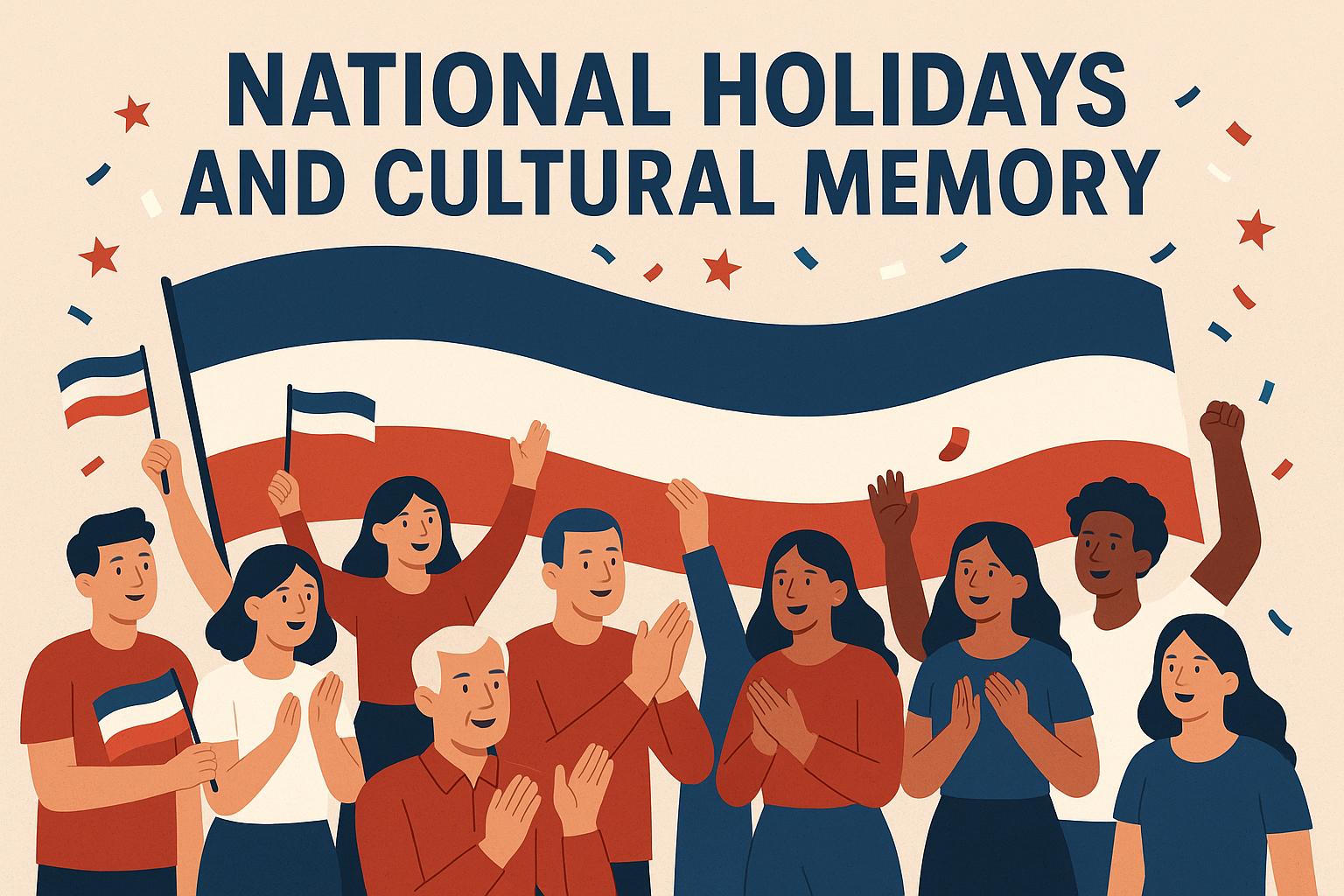
National holidays are a significant aspect of life in many societies and play an essential role in the cultural and social fabric of a nation. By serving as markers of historical events, national achievements, or the birthday of important figures, they help to shape a nation’s identity and values. The observance of these holidays offers opportunities for reflection, celebration, and community engagement, influencing societal norms and cultural traditions in the process.
Historical Significance
The roots of national holidays are often deeply twinged with historical events. Take, for example, Independence Day in the United States, celebrated on the Fourth of July. This holiday marks the adoption of the Declaration of Independence in 1776 and serves as a reminder of the country’s struggle for autonomy and democracy. Similarly in France, Bastille Day commemorates the French Revolution and symbolizes the birth of republican democracy in the nation.
Many national holidays have been established to honor victories in wars, signifying the end of conflicts and the resilience of the nation’s armed forces. These observances are intended to acknowledge the sacrifices made by individuals for the greater good. Other holidays may commemorate significant political movements that have transformed the sociopolitical landscape of a country. The historical underpinnings of each holiday underscore the struggles and triumphs foundational to a nation’s identity.
Cultural Traditions
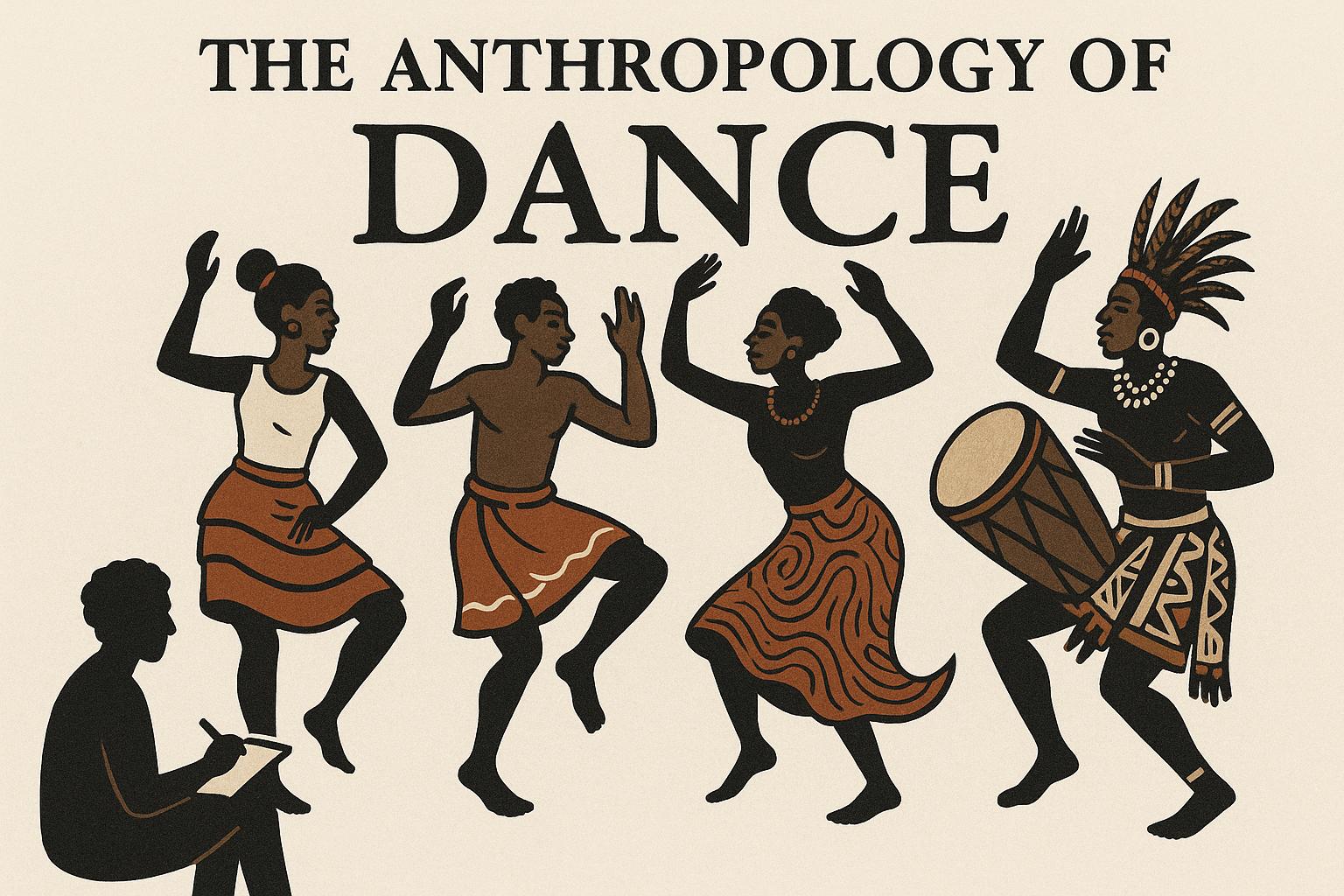
Each national holiday carries its own set of unique customs and traditions that display the cultural diversity and richness of a nation. During these holidays, citizens often take part in activities that foster a communal spirit. Parades filled with symbolism, memorial services honoring past heroes, and public celebrations that include music, dance, and fireworks are common occurrences.
These activities also offer individuals an opportunity to showcase their national identity. Whether it involves dressing in traditional attire, preparing special foods, or participating in local fairs, these customs enhance the collective community experience. Beyond mere enjoyment, these celebrations contribute to the continuity of cultural heritage and provide a platform for younger generations to learn about their country’s past.
Influence on Social Cohesion
National holidays are more than just days off work or school; they are powerful instruments for fostering social cohesion. When people engage in shared celebrations and rituals, they participate in the creation of a collective memory. These shared experiences not only strengthen national pride but also enable individuals from diverse backgrounds to come together for a unified purpose.
Even when the historical narratives or specific significance of the holiday are not universally celebrated or understood, the act of coming together remains a strong unifying force. It engenders a sense of belonging and becomes an essential part of the social fabric. Participation in national holidays, therefore, can reinforce community bonds and contribute to societal harmony.
Observance across Different Regions
The observance of national holidays can markedly differ from one region to another within the same country. Geographic, cultural, and even political factors can influence the way these days are recognized and celebrated. In certain regions, traditional practices linked to the holiday may be more pronounced, while other areas may adopt a more contemporary approach.
For some communities, the emphasis may be on local cultural elements that augment the national narrative. Alternatively, in regions with varying political beliefs, the observance might be significantly downplayed. This regional variability can add layers of complexity and depth to a country’s cultural landscape, showcasing its versatility when celebrating national identity.
The Role of Education
Educational institutions shoulder a significant responsibility in preserving and transmitting the importance of national holidays to future generations. Schools often incorporate the historical and cultural significance of these observances into their curriculum, ensuring that young people grasp their importance.
By educating citizens on the background and implications of national holidays, schools play a pivotal role in maintaining their relevance. This knowledge allows the younger population to appreciate their history and the intrinsic values these holidays embody. In doing so, education acts as a vital channel for cultural preservation and civic engagement.
In conclusion, national holidays serve as crucial benchmarks in the life of a nation, offering insight into its collective memory and cultural identity. While they are days of remembrance and gratitude, they also serve as opportunities to articulate societal values and unify citizens. Through national holidays, societies are able to celebrate their shared history and collectively look towards the future.