Introduction to Cultural Representations of Disability
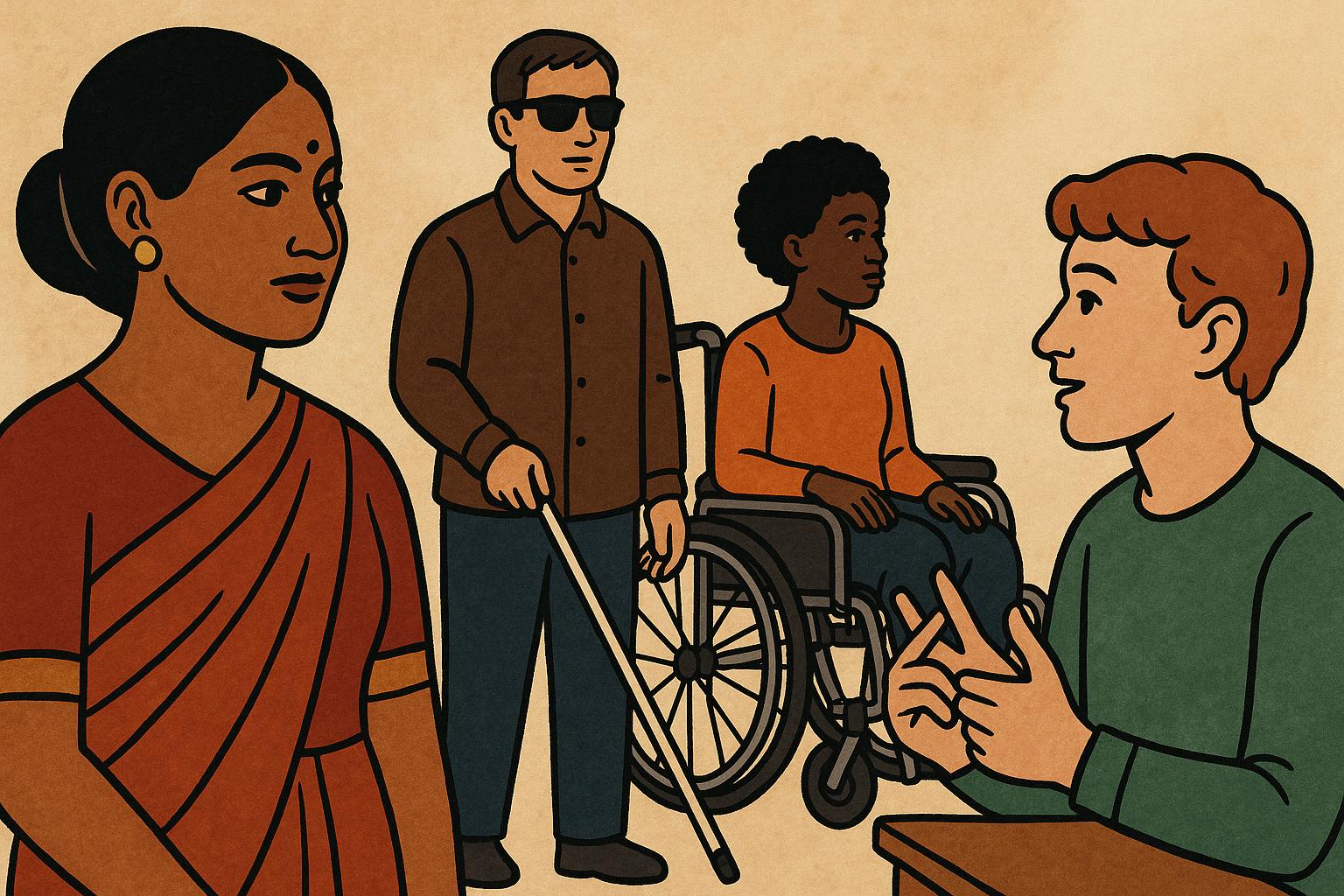
The representation of disability in various cultural contexts plays a crucial role in shaping societal attitudes. These representations can either challenge stereotypes and promote inclusion or perpetuate misconceptions and reinforce barriers for disabled individuals. Understanding the historical and modern perspectives on disability in culture is essential for fostering an inclusive society.
Historical Perspectives
Historically, disabled individuals have often been marginalized within cultural narratives. In numerous societies, disability was frequently associated with mysticism or divine punishment, which led to negative stereotypes and alienation. For instance, in ancient times, disabilities were often depicted as signs of moral or spiritual failings, which resulted in the exclusion of disabled individuals from mainstream society.
Contrastingly, some historical narratives also portray disabled individuals as possessing unique insights or abilities, suggesting a complex relationship between disability and cultural interpretations. Nonetheless, these perspectives were typically overshadowed by more negative connotations that contributed to societal discrimination.
Historically, there was limited understanding of the causes and nature of disabilities, influencing societal perceptions. Without modern medical insights, physical and mental conditions were often misunderstood, leading to fear and superstition. In some cultures, disabled individuals were revered as shamans or spiritual leaders due to their perceived connection to the supernatural, whereas others perceived them negatively.
The cultural responses to disability varied significantly across regions and time periods. In some ancient cultures, people with disabilities were supported and integrated into society, albeit within certain limitations. Nevertheless, the prevailing attitudes were often exclusionary.
Modern Depictions and Media Representation
In modern times, the representation of disability in media has evolved, yet challenges remain. Films, books, and other forms of media have increasingly included disabled characters, though not always in empowering roles. Often, these representations are limited to one-dimensional characters that reinforce harmful stereotypes, such as portraying disabled people as objects of pity or as symbols of inspiration for non-disabled audiences.
The media’s focus has often been on the “triumph over adversity” narrative, which, while inspirational, does not fully encapsulate the diverse experiences of disabled individuals. These narratives can mask the everyday experiences and systemic challenges faced by people with disabilities.
However, there is a growing awareness and effort within the media industry to present more authentic and diverse representations of disability. This includes creating content that reflects the varied experiences of disabled individuals and emphasizing their agency and abilities rather than their limitations.
The advent of digital media and social platforms has empowered disabled individuals to share their stories directly, bypassing traditional media gatekeepers. This shift has increased the diversity of voices and representations accessible to the public, fostering a more inclusive and representative cultural landscape.
Disability in Art and Literature
Art and literature have long served as powerful mediums for expressing narratives about disability. Historically, artists and writers have sometimes depicted disabled individuals with empathy and complexity. These portrayals often reflect the changing attitudes and social contexts regarding disability across different periods and cultures.
In literature, characters with disabilities have been used to explore themes of identity, resilience, and human experience. Classic literature has often imbued disabled characters with symbolic meaning, sometimes reinforcing negative stereotypes while at other times providing insight into the human condition.
Contemporary art and literature continue to explore themes of disability, providing a platform for disabled voices to share their stories. By doing so, these narratives contribute to a richer understanding of disability and challenge prevailing stereotypes, encouraging audiences to rethink traditional conceptions of ability and identity.
Modern writers and artists are increasingly focused on authenticity and depth, moving away from traditional tropes and towards representations that honor the lived experiences of disabled people. This shift is critical in changing societal perceptions and building a more inclusive cultural narrative.
The Role of Advocacy and Visibility
Advocacy plays a vital role in shaping cultural representations of disability. Disabled activists and allies are working towards increased visibility and representation in all cultural arenas. This involves not only advocating for more authentic portrayals in media and art but also emphasizing the importance of including disabled individuals in the creation and production of cultural content.
Visibility is essential in combating stereotypes and promoting a more nuanced understanding of disability. By highlighting the diverse experiences of disabled individuals, advocacy efforts can influence public perception and contribute to a more inclusive society.
Advocacy efforts include campaigns for accessible media content, the inclusion of disability studies in educational curricula, and representation in policy-making. These efforts are influential in challenging entrenched stereotypes and fostering societal change.
Conclusion
Understanding cultural representations of disability requires analyzing historical, media, and literary contexts. While progress has been made in challenging stereotypes and promoting inclusion, continued effort is necessary to ensure accurate and empowering portrayals of disability in culture. By examining and transforming these representations, society can move closer to achieving true inclusion and equality for disabled individuals.
As society progresses, the goal should be to create an environment where disability is one aspect of the human experience, neither sensationalized nor ignored. By fostering dialogue and encouraging diverse representations, we can work towards dismantling barriers and creating a more equitable society for all individuals, regardless of ability.