Tattoo Culture and Identity: A Historical Overview
Tattooing is an ancient practice that has spread across different human cultures over thousands of years. From the frozen mummies of Siberia to the decorated Polynesian warriors, tattoos have consistently served as significant symbols representing tribal affiliation, personal status, and unique personal beliefs. Though the meaning and significance of tattoos have evolved significantly over time, one element has remained constant: their pivotal role in self-expression and personal identity.
The Evolution of Tattoos
Historically, tattoos have been embraced by numerous cultures around the world for a diverse range of reasons. In ancient societies, tattoos were often employed as rites of passage or as protective symbols. For instance, in ancient Egyptian societies, tattoos specifically placed on women were believed to provide protection during childbirth, a crucial and dangerous time.
In the Polynesian islands, tattoos held an even deeper cultural significance. The act of tattooing was considered sacred, performed as part of elaborate rituals that celebrated important life events and affirmed social status. The intricate designs and patterns served as visual narratives illustrating one’s lineage and standing in society. In a similar vein, Native American tribes used tattoos as a form of storytelling to signify accomplishments in warfare or to mark significant life events, embedding valuable meanings and messages on their skin.
However, as the practice spread to Western cultures during the 18th and 19th centuries, tattoos found different meanings. They were often associated with sailors and prisoners, groups that were considered to be on the fringes of society. The introduction of tattoos into Western cultures marked a shift in perception, as tattoos began to be linked to a rebellious or outlaw image. This stereotype prevailed for quite some time, but began to change in the late 20th and early 21st centuries. Acceptability of tattoos increased as they became popular among various social circles, reaching a variety of demographics.
Modern Tattoo Culture
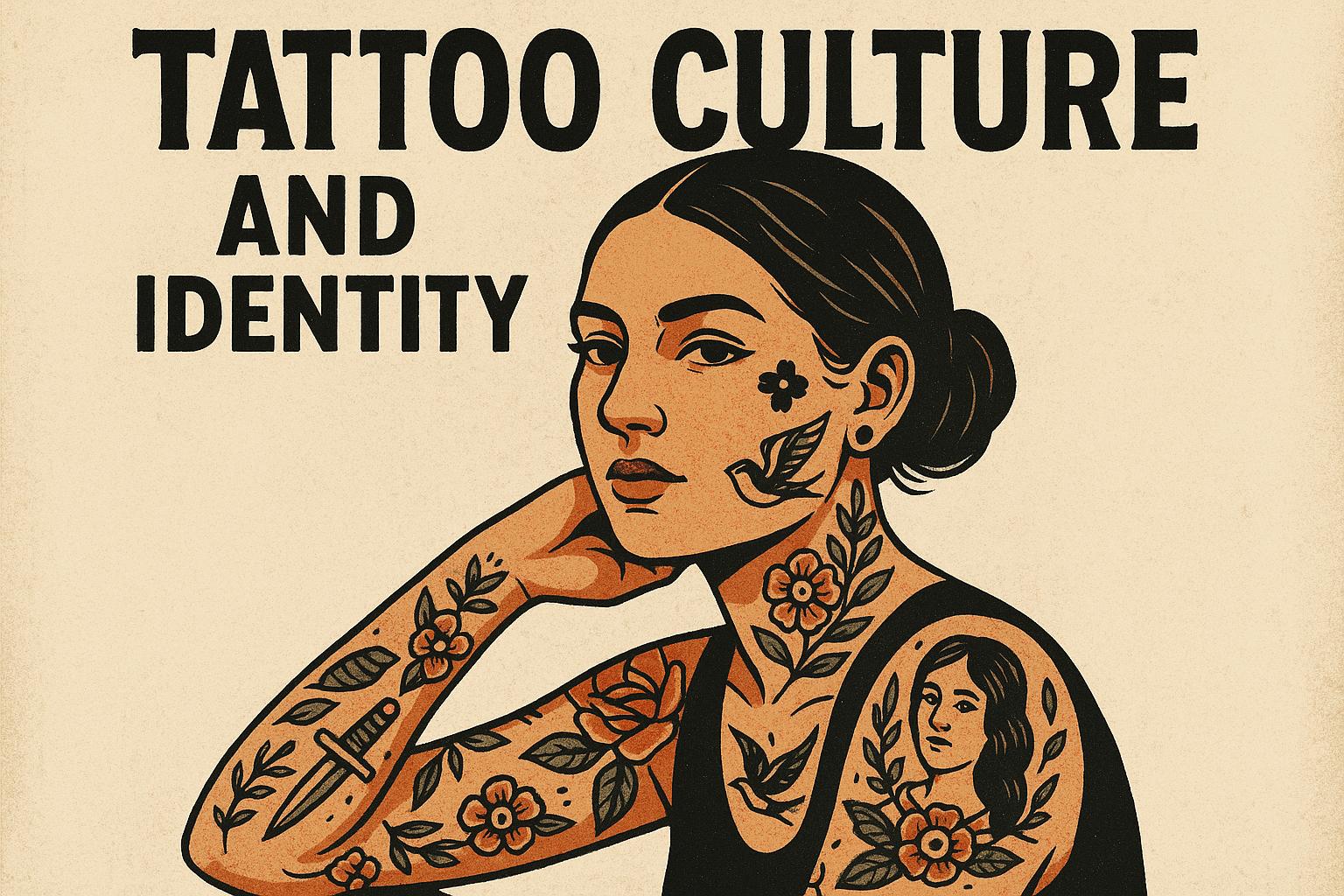
In contemporary society, tattoos have become ubiquitous, cutting across age, gender, and cultural demographics. They are now viewed as a mainstream form of personal and artistic expression, chosen for a myriad of reasons. Individuals might opt for tattoos to commemorate personal experiences or milestones, showcase their creativity, or honor cherished loved ones. The stylistic range of tattoos today is vast, from minimalist designs to elaborate full-body art, reflecting the endless variety of personal choices.
Several factors have driven the shifting perception of tattoos in today’s society. The widespread exposure through various media outlets, the proliferation of celebrities openly displaying their tattoos, and the increasing number of professional tattoo artists have all contributed significantly to the normalization of tattoos. It’s not unusual to see tattoos celebrated in art exhibitions and conventions around the world, now widely recognized as a legitimate and respected art form.
Tattoos and Personal Identity
The decision to get a tattoo is profoundly personal, often conveying aspects of an individual’s identity. Tattoos can be powerful symbols of cultural pride or personal belief systems that individuals hold dear. For some, tattoos can be chosen for purely aesthetic reasons, admired for their visual appeal. For others, they serve as tangible reminders of meaningful life events or personal triumphs.
For many individuals, especially those who have experienced trauma or feel marginalized by society, tattoos offer a powerful means to reclaim one’s body and narrative. In such contexts, tattoos transcend aesthetic value and serve as bold symbols of resilience, resistance, and self-acceptance, providing a deeply personal and visual declaration of one’s journey and individuality.
The Role of Tattoo Artists
Professional tattoo artists are indispensable to modern tattoo culture. Their artistic expertise, technical skills, and cultural sensitivity are essential to the practice of tattooing. Many tattoo artists specialize in specific styles and techniques, playing a significant role in setting trends and driving innovation within the tattoo world.
Tattoo artists often engage in a collaborative process with the individuals who seek their artistry. They are consulted not only for their skills in executing the tattoo but also for their ability to transform personal stories into compelling visual art. This symbiotic relationship between tattoo artist and client highlights the paramount importance of trust, mutual respect, and understanding in the tattooing process.
Final Thoughts
Tattoo culture represents a complex intersection of tradition, artistic expression, and evolving identity. As society continues to change, so too will the perceptions and meanings ascribed to tattoos. Nonetheless, at its core, tattooing remains a deeply personal form of expression, a lasting artistic medium through which individuals reflect their stories, beliefs, and personal experiences. The enduring presence of tattoos in human culture underscores their timeless appeal and the human desire for personal narration through visual art.