Cultural Diversity: A Catalyst for Workplace Excellence
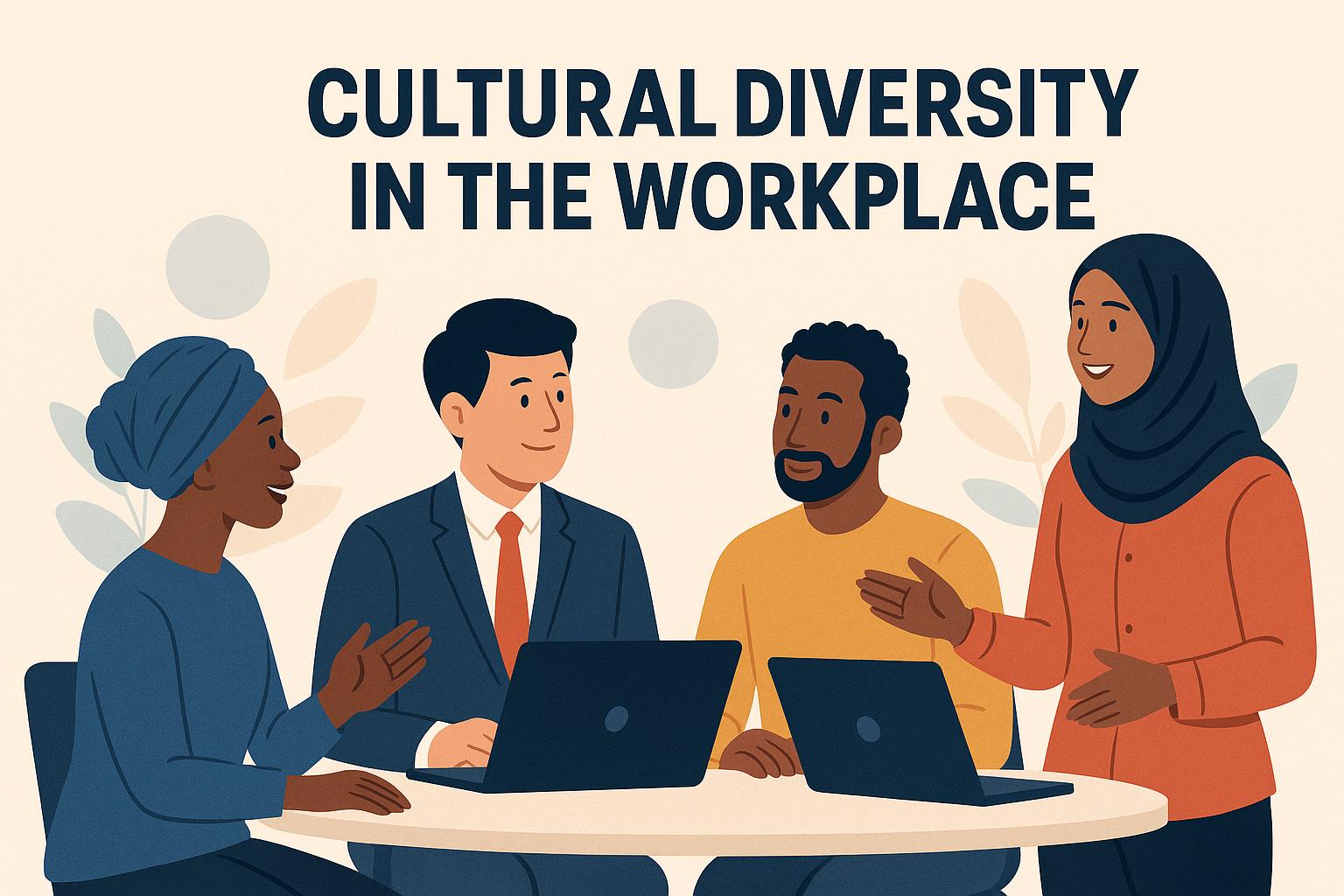
In today’s rapidly evolving global landscape, cultural diversity has emerged as a crucial element within business settings. This facet not only enriches the workplace but also triggers a cascade of profound benefits that can propel organizations toward success. Understanding and incorporating cultural diversity fosters an inclusive environment where varied perspectives contribute to a more dynamic and innovative workforce.
Unpacking Cultural Diversity
The concept of cultural diversity extends beyond mere inclusivity; it involves nurturing an environment where a multitude of cultural distinctions among individuals is acknowledged and valued. These differences may manifest in race, ethnicity, gender, age, religion, and more. As the global economy continues to expand, organizations must cultivate a more nuanced comprehension of these cultural variations, thereby enhancing their ability to function and thrive in a multifaceted world economy.
Advantages of a Culturally Diverse Workforce
The cultivation of a culturally diverse workplace amplifies creativity and innovation as it introduces a spectrum of unique perspectives. The interplay of diverse viewpoints fosters an atmosphere where creative problem-solving flourishes, thereby augmenting the organization’s ability to offer superior products and services. This innovative edge often translates into significant economic growth, allowing companies to remain competitive in a continually changing market.
In addition to stimulating innovation, cultural diversity fortifies employee engagement and satisfaction. Employees who perceive themselves as respected contributors are more likely to exhibit high levels of productivity and motivation. Such empowerment naturally results in reduced turnover rates and bolstered loyalty toward the company. It also invigorates the workplace atmosphere, ensuring that employees remain enthusiastic and committed to their roles.
Transforming Customer Relations
A diverse workforce is not solely beneficial internally but also enhances the organization’s capacity to engage with a varied customer demographic. Cultural understanding allows companies to tailor their offerings to meet diverse customer needs, thereby elevating satisfaction and loyalty. Such strategic customization not only strengthens existing customer relationships but also paves the way for companies to tap into previously unexplored markets, providing avenues for business expansion.
Navigating Legal and Ethical Horizons
Incorporating cultural diversity into the workplace aligns with both legal imperatives and ethical principles. Numerous jurisdictions enforce laws that require non-discriminatory employment practices, compelling organizations to embrace diversity within their operational frameworks. Ethically sound organizations are proactive in ensuring that all individuals, irrespective of their cultural origins, have equal access to opportunities—a stance that reflects a broader commitment to social responsibility.
Recognizing and Addressing Challenges
Despite its myriad benefits, cultural diversity does pose specific challenges. Common issues include language barriers and cultural misunderstandings, which may precipitate tension and resistance to change within the workforce. To effectively address these challenges, organizations might implement regular training and workshop initiatives focused on cultural awareness and sensitivity. By fostering an inclusive environment that encourages open dialogue, organizations can minimize conflicts and promote understanding among employees.
The proactive management of potential challenges involves creating mechanisms to bridge cultural divides. Employers might introduce mentorship programs and employee resource groups to support cross-cultural interaction, enabling employees to share insights and learn from one another. Such initiatives not only diminish cultural barriers but also cultivate a more cohesive organizational culture.
Moreover, technology can play a pivotal role in facilitating cultural understanding. Digital platforms can be leveraged to provide asynchronous training modules that cater to diverse learning styles and schedules, ensuring all employees have access to essential cultural competence education.
Synthesizing the Impact
In conclusion, cultural diversity represents an invaluable asset that, when effectively harnessed, can stimulate innovative solutions, enhance customer relationships, and foster a more engaged workforce. Forward-thinking organizations that appreciate and integrate diversity within their operational ethos will likely gain a competitive edge in the global market, adhering simultaneously to legal stipulations and ethical standards.
A commitment to diversity involves not only recognizing the potential challenges but also proactively addressing them through effective communication strategies and targeted training programs. By cultivating an environment that respects and celebrates a range of cultural perspectives, businesses can establish a harmonious and productive workplace, benefitting all stakeholders involved.
As organizations continue to navigate the complexities of a globalized world, the strategic embrace of cultural diversity is not merely advantageous—it is essential for sustaining growth and innovation in the contemporary business landscape.