Understanding Consumerism in Modern Society
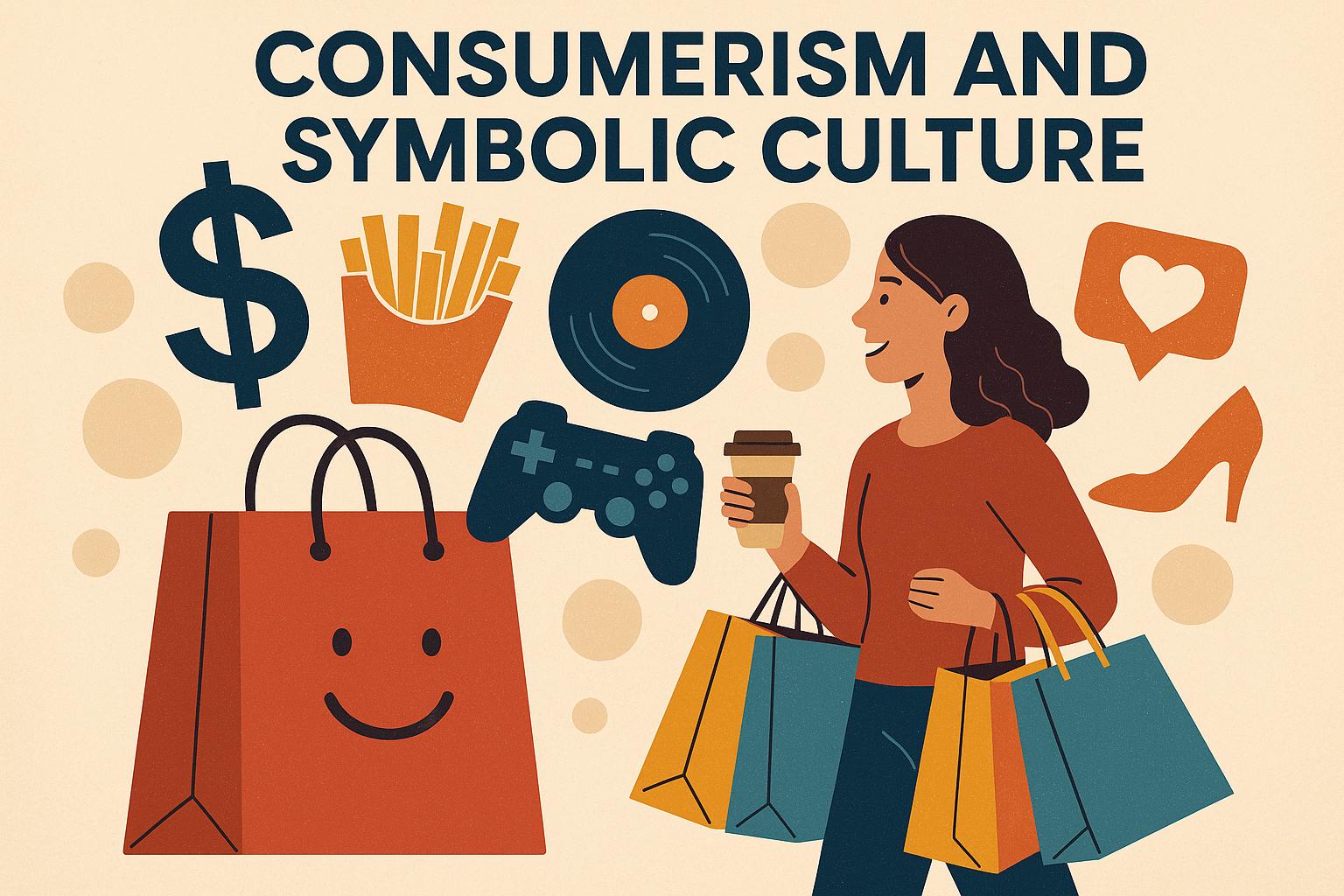
Consumerism refers to the cultural phenomenon where the buying and consuming of material goods is prioritized and encouraged. It plays a significant role in shaping the economic and social fabrics of many societies around the world. In modern culture, consumerism is not just about fulfilling basic needs but is tightly interwoven with aspirations, identity, and even social status.
The Role of Symbolic Culture
Symbolic culture encapsulates the ideas, beliefs, and values that permeate a society and influence its behaviors. This aspect of culture acts as a lens through which consumerism can be understood, emphasizing how consumer products often transcend their practical functions to embody cultural meanings or symbols. These symbols become tools for individuals to express facets of their identity.
Consider the phenomenon of luxury brands, which often serve as a testament to one’s social standing or success. These brands are imbued with symbolic value that surpasses their mere utility and cost, forming a language through which individuals communicate their values, beliefs, and aspirations. Hence, consumer goods, in many respects, act as a conduit for personal expression and societal participation.
Historical Context of Consumerism
The historical trajectory of consumerism witnessed significant acceleration during the industrial revolution. The innovation in mass production techniques during this period democratized access to goods, making them affordable for broader demographics. This democratization was accompanied by the rise of advertising and media outlets, which crafted and sustained consumer desires for an ever-expanding array of products.
The mid-20th century heralded a marked increase in consumer-focus, particularly in the western hemisphere, fueled by economic prosperity and growing disposable incomes. This era introduced the concept that the acquisition of new items was not only favorable but an economic imperative to stimulate growth.
Consumerism and Identity Formation
At the core of consumerism is its influence on personal identity formation. The act of consumption transforms into a narrative through which individuals craft their personalities, align with specific social groups or project lifestyle aspirations. Consequently, consumerism transcends mere possession and evolves into a means of identity construction and identity projection.
Products such as fashion accessories, technological gadgets, and automobiles carry extensive symbolic significance. Individuals gravitate towards these products based on their self-image or the persona they aspire to project publicly, making consumer decisions a reflection of personal narratives.
Critiques and Challenges
Despite its perceived economic benefits, consumerism is not devoid of criticism. It is often scrutinized for encouraging materialism, contributing to environmental degradation, and exacerbating economic disparities. In societies deeply entrenched in consumerist ideals, the relentless quest for material acquisitions can result in unsustainable living patterns and escalating personal debts.
Furthermore, the cultural emphasis on consumption may risk overshadowing more meaningful engagements such as cherished experiences, interpersonal relationships, or intellectual pursuits. Striking a balance between indulgent consumption and sustainability poses an ongoing challenge for contemporary societies.
The exploration of consumerism alongside symbolic culture provides a nuanced understanding of the motivations behind purchasing behavior and underscores the wider impacts of consumption on societal frameworks and individual psychological landscapes.