Introduction to Literature and Cultural Studies
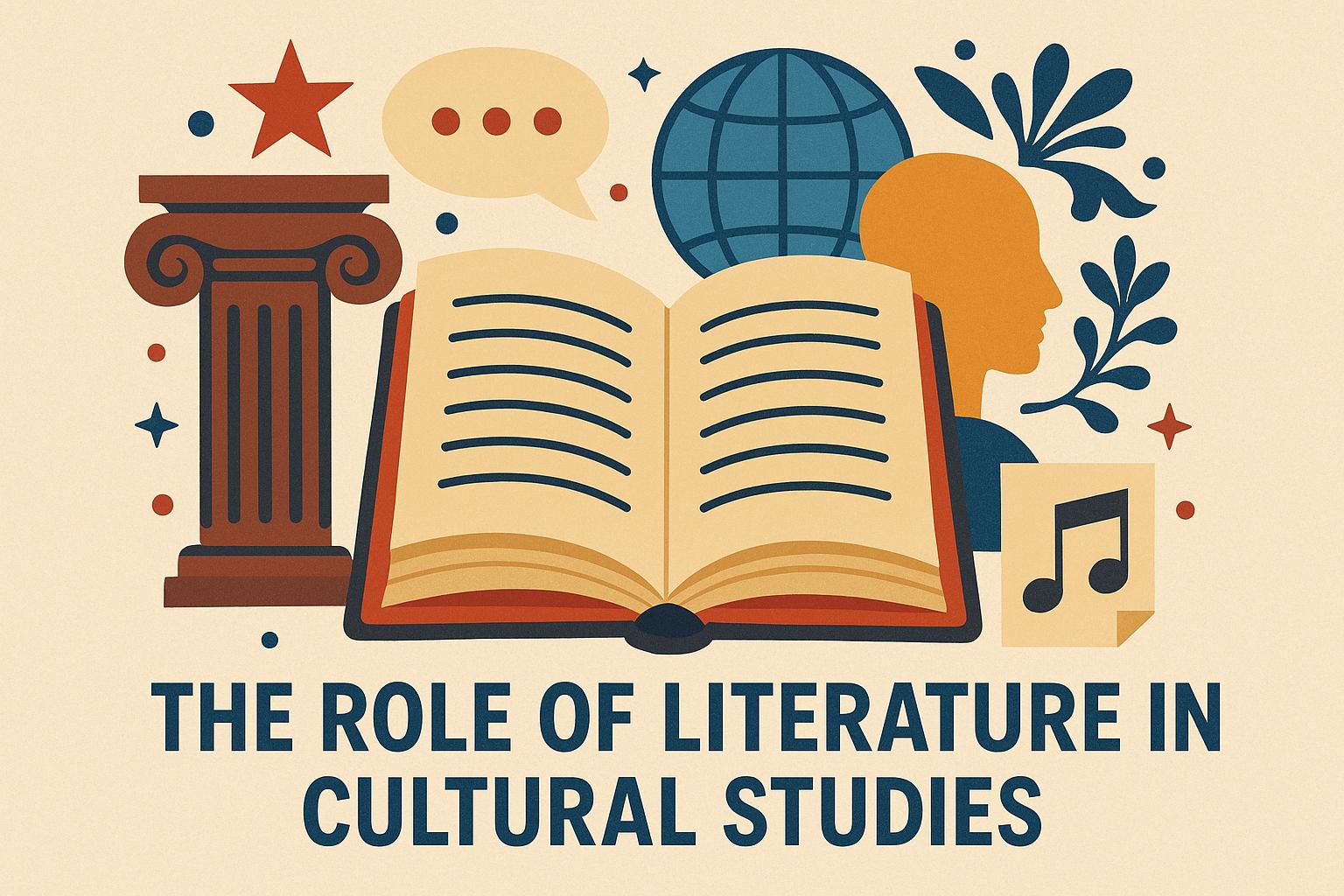
Literature and cultural studies are intricately linked, as both fields explore human societies, behaviors, and artifacts. Literature serves as a crucial resource for cultural studies, providing insights into the lives, values, and beliefs of different communities across time. Cultural studies, on the other hand, offers tools and frameworks for analyzing literature within its social and historical contexts.
Literature as a Reflection of Culture
One of the primary roles of literature in cultural studies is its function as a mirror reflecting the culture from which it originates. Through novels, poetry, plays, and other literary forms, writers express the dynamics and intricacies of their societies, offering readers a glimpse into the cultural norms and issues of the time.
For example, literature can highlight societal norms, gender roles, class struggles, and political tensions. Each narrative carries with it not just a story but a broader commentary on the human condition and societal configurations.
Analyzing Cultural Identity through Literature
Cultural identity is an important aspect of cultural studies, and literature provides a vital avenue for its examination. Through dialogues, character depictions, and plot developments, literature reveals the complexities of identity formation, questions of belonging, and intergenerational dynamics. Authors often explore themes of cultural hybridity, migration, and ethnic diversity, enabling cultural studies scholars to investigate how identities are constructed and understood.
Interpreting Historical Contexts
Literature serves as a gateway to understanding the historical contexts of different eras. The political, economic, and social backdrop of a period often influences literary production, and these influences are embedded within the text. By situating a work of literature within its historical context, scholars can uncover the underlying ideologies and power structures present at the time of writing.
This interpretative analysis assists in decoding the past and understanding how historical events have shaped cultural narratives and identities. Such insights are integral to cultural studies, which seeks to understand the links between cultural texts and the broader historical moment.
Throughout different periods, the examination of literature allows scholars to unearth the prevailing sentiments and ideologies that characterized a society. For instance, the postcolonial era brought about literature that revealed the lingering effects of colonialism on identity and culture. Through these writings, the narratives of resistance, adaptation, and transformation became prominent, offering a profound understanding of the transition from colonial to postcolonial societies.
Representations of Class and Social Stratification
Literature has the power to dissect the social hierarchies and class distinctions that define societies. Through vivid depictions of class struggles and societal roles, literary works can reveal the undercurrents of power and privilege. In examining these narratives, cultural studies enable scholars to critically interrogate how class disparities manifest in cultural artifacts and social institutions.
For example, the portrayal of class in the works of Charles Dickens offers a window into the socio-economic conditions of Victorian England. His narratives shed light on the stark differences between the affluent and the impoverished, highlighting the systemic issues that perpetuate inequality.
The Role of Literary Criticism in Cultural Studies
Literary criticism is an essential tool within cultural studies, as it aids in deconstructing texts to reveal deeper meanings and social commentaries. Criticism ranges from formalist approaches to more contemporary methodologies, such as feminist, postcolonial, and queer theory critiques.
Each of these perspectives allows for a nuanced reading of literature, uncovering the ways in which texts challenge or perpetuate cultural ideologies. Critiquing literature through these lenses provides valuable insights into the construction of power, identity, and resistance within cultural narratives.
The feminist critique, for instance, shifts the focus to gender dynamics and the representation of women in literature. Through this lens, literary works are examined for their engagement with gender politics and the narratives they construct around femininity and gender roles.
Similarly, postcolonial criticism scrutinizes the legacy of colonialism in literature, raising questions about representation, hegemony, and cultural hybridity. This critical approach challenges the Eurocentric narratives that have historically dominated the literary canon, offering a voice to marginalized perspectives.
Cultural Studies and the Digital Age
In the contemporary age, the intersection of literature and cultural studies has expanded to incorporate the digital realm. With the advent of the internet, literature and cultural narratives now transcend traditional boundaries, creating a global tapestry of interconnected discourses.
Digital platforms have democratized the production and consumption of literature, enabling diverse voices to participate in the cultural dialogue. Online literary communities and digital publications provide a rich repository of texts that inform and reflect contemporary cultural issues.
This expansion into the digital landscape also poses new questions for cultural studies. Scholars now examine the impact of digital technologies on identity formation, cultural exchange, and the reimagining of traditional literary forms.
Conclusion
In summary, literature plays a vital role in cultural studies by offering a lens through which to examine the fabric of human cultures. It reflects societal norms and values, explores cultural identities, and provides historical insights. Through literary criticism, cultural studies scholars are able to deepen their understanding of the intricate relationship between literature and culture, making it an indispensable element of the field.
As both disciplines continue to evolve, they offer pathways for future exploration into the complex interplay between texts, contexts, and cultural identities. With the ongoing shifts in global and digital cultures, the study of literature and cultural studies remains a dynamic and ever-relevant pursuit.
The narratives preserved in literature, whether historical or contemporary, provide a profound and irreplaceable resource for investigating the deeper layers of human societies. As cultural studies progress, these analyses will enable new insights into our collective human experience and the stories that define it.