Understanding Power and Discourse in Cultural Theory
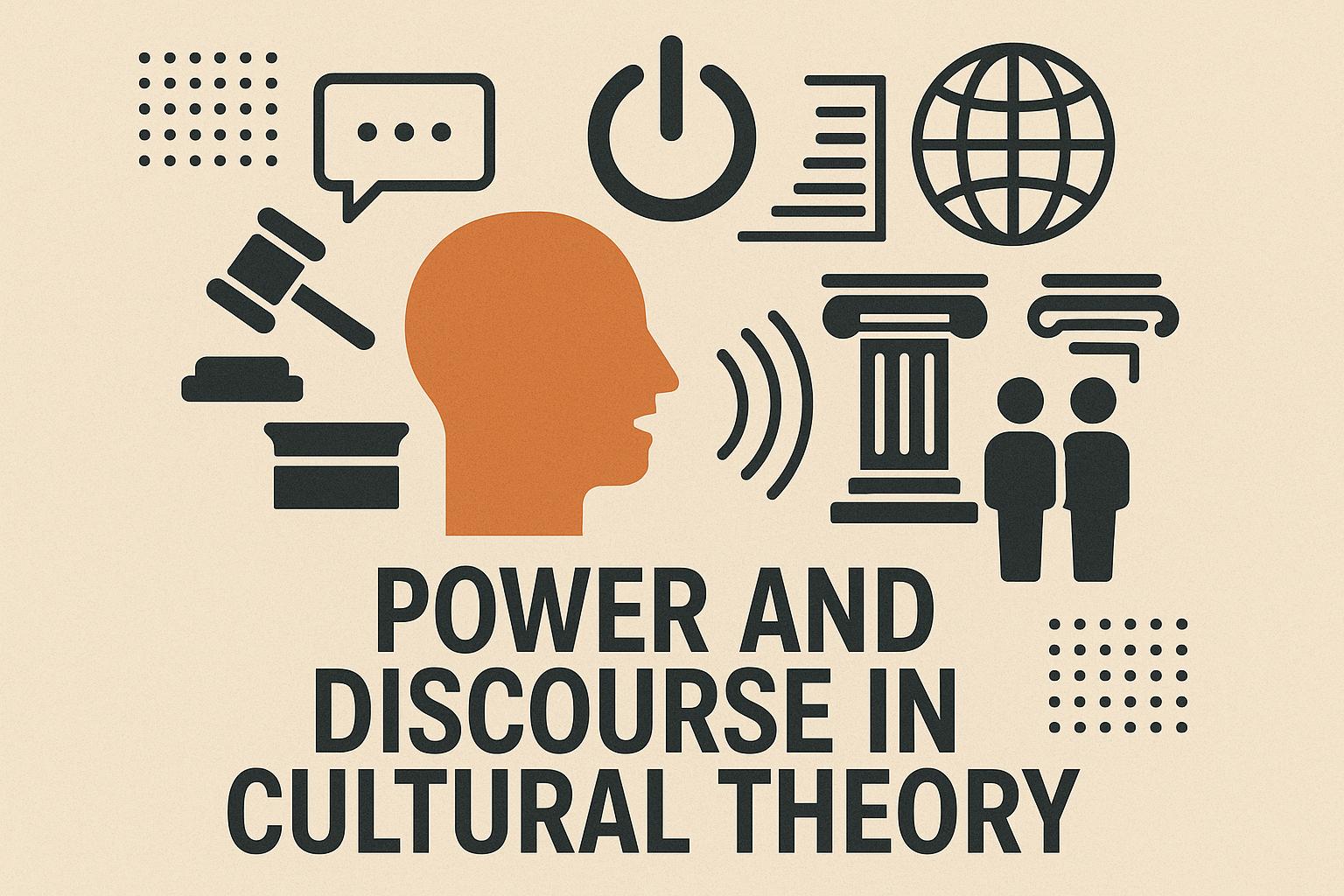
In cultural theory, the concepts of power and discourse are key to understanding how societies function. Power is often seen not only as the ability to enforce one’s will upon others but also as a more nuanced form of influence embedded within everyday practices and language. Discourse plays a crucial role in this context as it shapes and is shaped by power dynamics.
The Concept of Power
Power is multi-dimensional and pervasive, manifesting in various social relationships and structures. It is not only political or economic; power exists in cultural norms, values, and beliefs that inform the behavior of individuals and groups. In cultural theory, thinkers like Michel Foucault have posited that power is everywhere, not because it oversees everything but because it comes from everywhere.
Foucault’s Perspective
Michel Foucault, a prominent philosopher, has significantly contributed to our understanding of power. He conceptualized power as being less about direct control and more about decentralized networks in which knowledge and power are intricately linked. For Foucault, power operates through discourse, shaping what is considered normal and acceptable. His perspective encourages an examination of how societal structures and institutions perpetuate power dynamics through the establishment of discursive formations.
The Many Faces of Power
In addition to Foucault’s ideas, power can be understood in various contexts. In governmental structures, it is wielded through laws and policies, determining access to resources and rights. In economic terms, power is evident in market dynamics and corporate influences that can shape industry standards and consumer behavior. Socially, power can manifest through cultural expectations and the perpetuation of stereotypes, subtly influencing societal norms and individual actions.
The Role of Discourse
Discourse encompasses the ways in which knowledge and meaning are produced. It includes language, symbols, and practices that create a shared understanding of the world. Discourse is a tool through which power relations are maintained and challenged.
Language as a Tool
Language is a fundamental element of discourse. It is not merely a means of communication but a medium through which power is exercised and reinforced. The language used in media, academia, and law, for instance, can maintain dominant power structures by legitimizing certain truths over others. This legitimization process can marginalize alternative perspectives and reinforce hegemonic values, thus playing a critical role in societal power dynamics.
Cultural Narratives and Symbolism
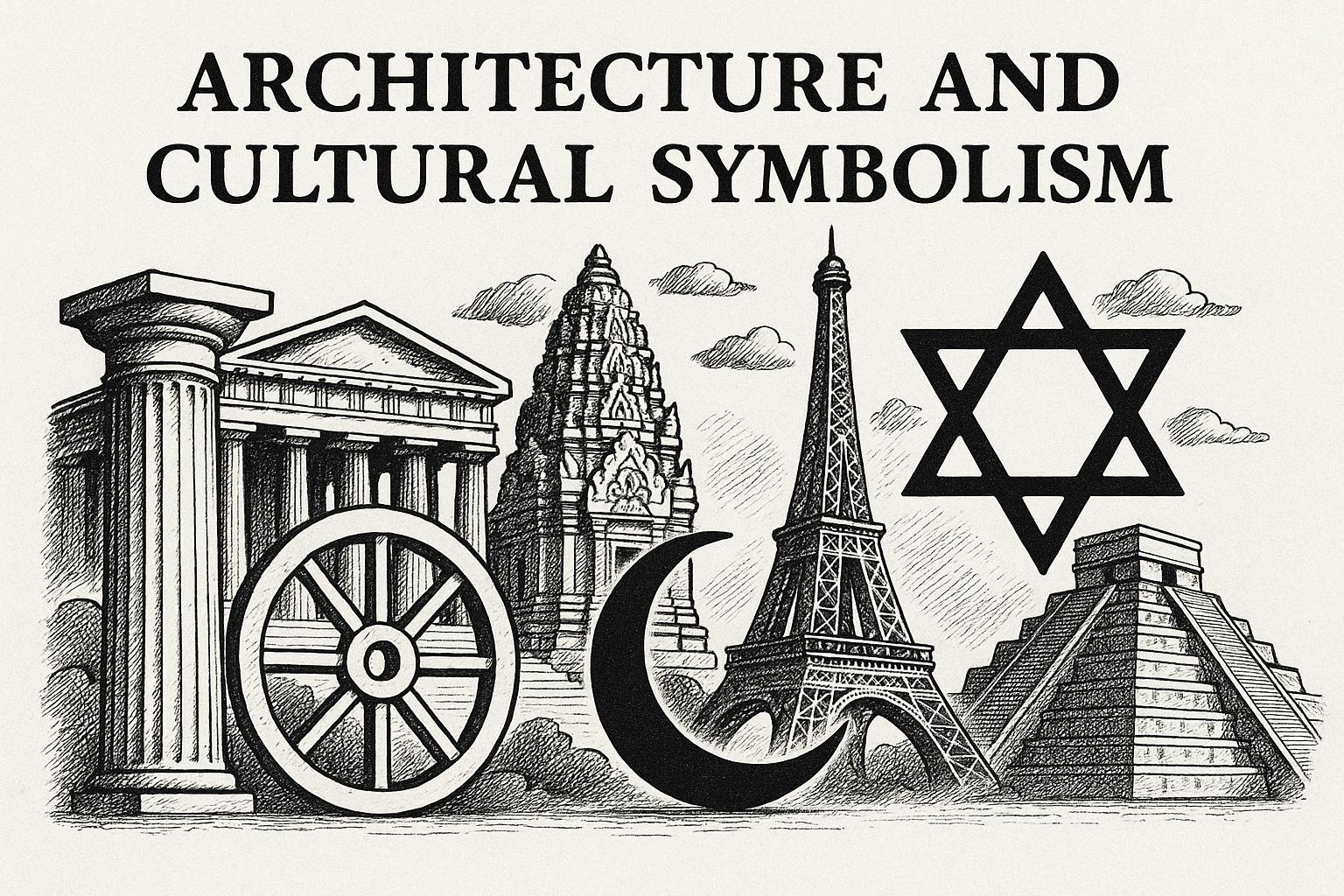
Beyond language, cultural narratives and symbols serve as powerful components of discourse. These elements convey implicit messages and values, shaping collective identity and influencing public perceptions. Symbolism in cultural practices, art forms, and media representations often encapsulates power relations, either reinforcing prevailing ideologies or providing avenues for resistance.
Interconnection of Power and Discourse
The interplay between power and discourse illustrates how society functions. Discourse articulates social realities, while power influences which discourses are prevalent. For example, gender norms are shaped and perpetuated through discourses embedded in media representations, educational materials, and everyday conversations. This interconnection highlights the role discourse plays in both constructing societal norms and providing means to challenge them.
Challenging Dominant Discourses
Understanding power and discourse allows for the challenge and transformation of dominant narratives. Social movements often emerge to counteract prevailing discourses, using alternative narratives to question established power structures. This dynamic highlights the potential for discourse to be a site of resistance. Activists and reformists can harness discourse to expose injustices, advocate for change, and inspire shifts in public consciousness, demonstrating the transformative potential embedded within discursive practices.
Strategies for Resistance
Various strategies can be employed to challenge dominant discourses. Engaging in critical discourse analysis enables individuals and groups to uncover the underlying assumptions and power relations present in societal narratives. Creating counter-discourses, through alternative media, literature, or social platforms, provides opportunities to present diverse perspectives and challenge the status quo. Education and dialogue further empower individuals to interrogate existing power structures and envision new possibilities for social organization.
Implications for Cultural Theory
The interaction of power and discourse has profound implications for cultural theory. It prompts critical examination of how knowledge and truth are constructed and how these constructions affect societal behavior. By exploring these concepts, cultural theory seeks to uncover the hidden power dynamics underlying cultural practices and institutions.
Applications in Social Analysis
In applied contexts, cultural theory provides tools to deconstruct the power relations inherent in social practices and institutional arrangements. This analysis can illuminate the ways in which race, class, gender, and other social categories intersect with power, shaping individual experiences and collective histories. Recognizing these dynamics fosters greater awareness of social inequalities and inspires efforts toward more equitable and inclusive frameworks.
Conclusion
Power and discourse are essential concepts in cultural theory, offering a framework for analyzing the subtle ways in which societal norms are maintained and manipulated. Recognizing the role of discourse in the distribution and execution of power provides valuable insights into the mechanisms that sustain cultural hegemony. Through this lens, individuals and groups can identify opportunities for challenging and reshaping dominant ideologies, paving the way for transformative social change. By understanding and reimagining the narratives that underpin social structures, it becomes possible to cultivate a more equitable and dynamic cultural landscape.