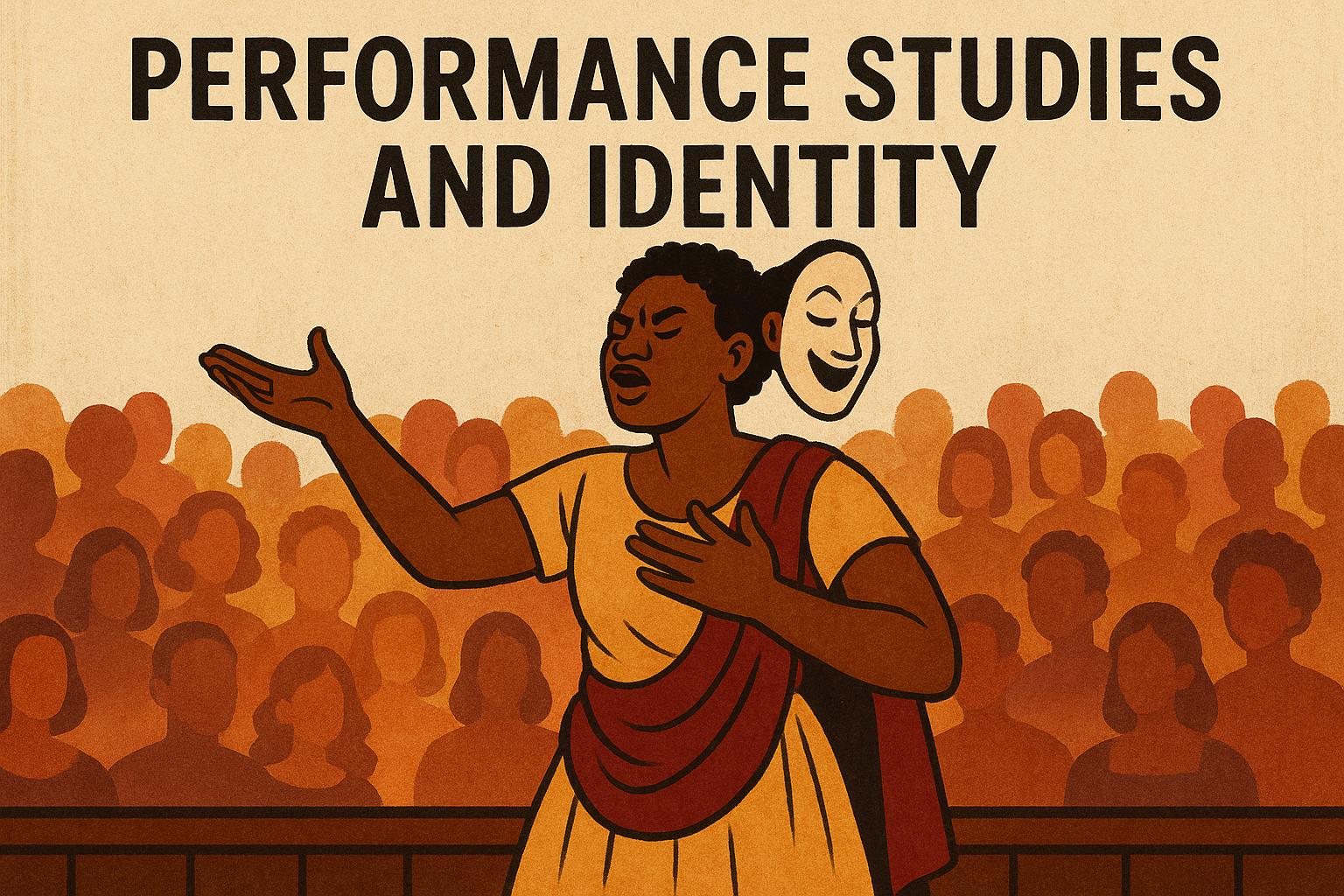
Understanding Performance Studies
Performance studies is an interdisciplinary academic field that explores the nature, dynamics, and nuances of performance in various contexts. It extends beyond traditional theatrical performances to include a vast range of human activities that can be seen as performative. The study often intersects with cultural studies, anthropology, sociology, and other disciplines to analyze how performances affect and reflect societal norms and values.
Scope and Interdisciplinary Approach
The scope of performance studies is notably broad, incorporating an array of activities such as rituals, ceremonies, social dramas, and everyday interactions. Scholars in this field aim to understand the multifaceted nature of performance in relation to the cultural, social, and historical frameworks within which it occurs. By adopting a multidisciplinary approach, they delineate the role and significance of performance in shaping human experience and identity.
Within performance studies, the integration of insights from various disciplines such as anthropology and cultural studies is vital. This interdisciplinary dimension allows for a comprehensive analysis of performance as a social phenomenon. For instance, anthropologists may examine rituals in indigenous cultures, while cultural studies scholars might investigate contemporary street performances and their impact on urban communities.
Role of Performance in Identity Formation
Performance plays a pivotal role in the construction and expression of identity. Through different forms of performance, individuals and groups can communicate identities, challenge stereotypes, and negotiate power dynamics. Whether it is a cultural festival, a political gathering, or interactions on digital platforms, performances have the potential to both reflect and reshape community and individual identities.
Symbolism and Identity: Performances often employ symbolism as a means to convey complex identity constructs. Elements such as costumes, language, gestures, and narratives become tools through which performers can embody and express cultural or social identities. These performances might resonate with audience perceptions or challenge prevailing stereotypes and societal norms.
Moreover, performance provides a medium for individuals to experiment with and express aspects of identity that may not align with mainstream representations. In this way, performance becomes an act of resistance against dominant cultural narratives, offering opportunities for marginalized voices to be heard.
Analyzing Performative Acts
Considered both an act and a process, performance reflects how identity is constantly negotiated and presented. This dynamic understanding of performance allows for deeper analysis into the fluid, context-dependent nature of identity. Rather than being immutable, identity is recognized as something performed and reiterated through various interactions and contexts.
Performative Acts and Gender: A significant area within performance studies is the exploration of gender as a performative act. Influenced by theories from notable scholars, this perspective suggests that gender is not merely a biological construct but rather a series of performances repeated over time. Individuals engage in these performances daily to align with or contest societal expectations surrounding gender roles. Such analyses of gender provide critical insights into the ways performances sustain or subvert traditional gender norms.
By studying performative acts related to gender, scholars can deconstruct how societies perpetuate gendered identities and offer strategies for reshaping these identities to promote inclusivity and equality. Performance becomes a site for questioning conventional notions of gender and opening up possibilities for more diverse representations.
Conclusion
Performance studies offer valuable insights into the intersections of performance and identity. By examining a variety of performative acts, scholars gain a deeper understanding of the complexities involved in identity formation and expression. This field continues to present critical perspectives on how various cultural, social, and historical factors shape and redefine what it means to be human.
In conclusion, the study of performance, with its broad and interdisciplinary approach, enriches our comprehension of human interactions and the myriad ways in which identity is articulated. Through the analytical lenses provided by performance studies, researchers continue to explore how performances engage with social norms, challenge stereotypes, and contribute to the ongoing dialogues surrounding identity in diverse cultural and social contexts.