Understanding Neoliberalism
Neoliberalism is a term often used to describe a set of economic policies that became prominent in the late 20th century. It emphasizes the role of free markets, privatization, deregulation, and a reduced role for the government in economic affairs. This ideology has been influential around the world, particularly in shaping the policies of Western nations during the 1980s and 1990s. To understand the impact and implications of neoliberalism, it is essential to delve into its core principles, the way it manifests in policy, and its broader cultural and societal effects.
The Core Principles of Neoliberalism
At its core, neoliberalism advocates for several key principles:
Neoliberal Policies in Practice
Neoliberal policies have been implemented in various forms worldwide. In the United States and the United Kingdom, these policies were particularly prominent under leaders like Ronald Reagan and Margaret Thatcher. In both cases, the governments pursued tax cuts, deregulated industries, and reduced public spending. The Reaganomics approach in the US and Thatcherism in the UK were hallmarks of neoliberal policy, characterized by significant tax reductions intended to spur economic growth and employment through increased business investment. Deregulation initiatives targeted industries such as finance and transportation, fostering a climate believed to encourage greater entrepreneurial activity.
Cultural Impact of Neoliberalism
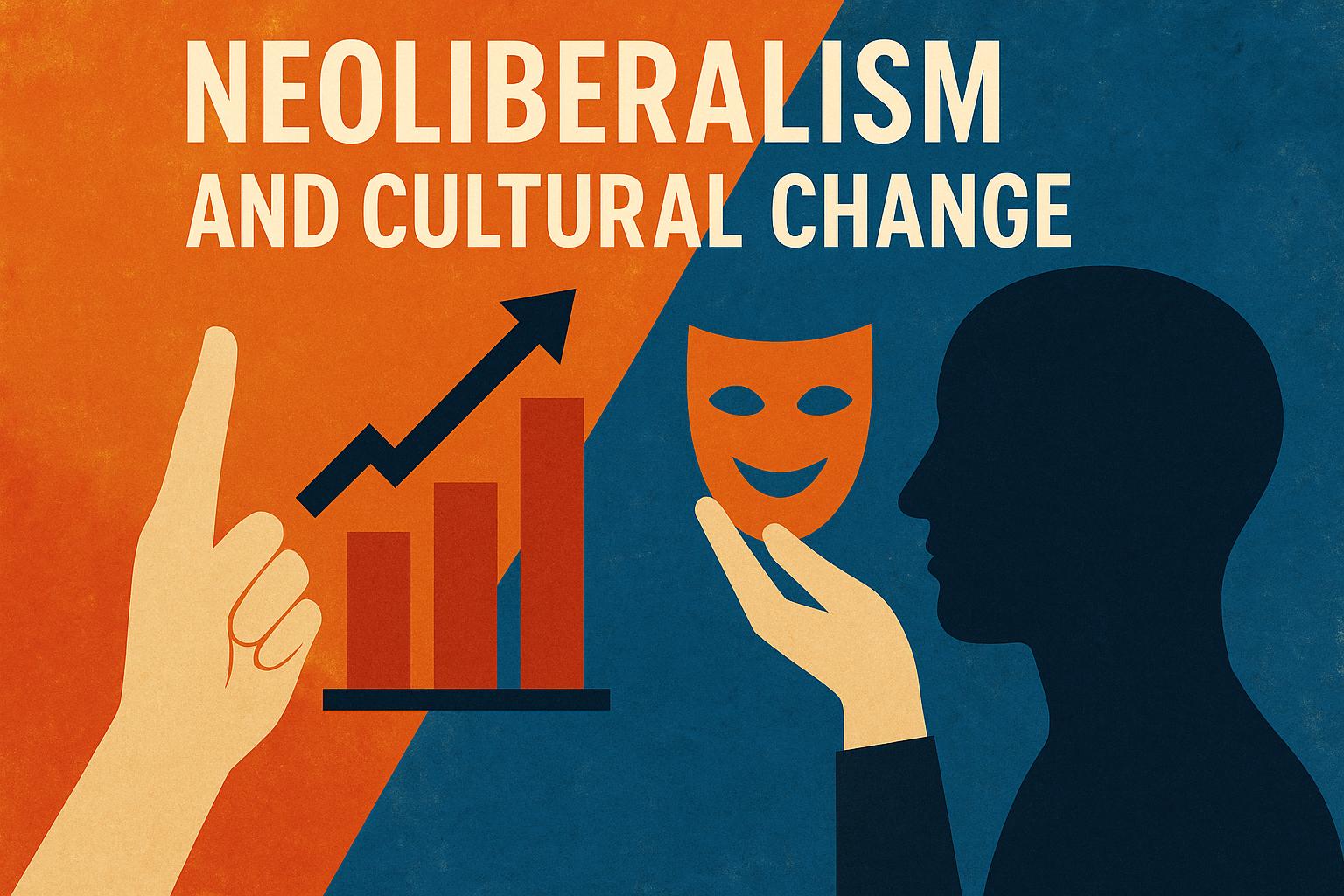
The rise of neoliberalism has significantly influenced cultural change in different societies. The focus on individualism and competition is reflected in contemporary culture, where success is often measured in economic terms. This has implications for social values, media, and education systems. The advocacy for personal responsibility is mirrored in various cultural products, from television shows to literature, often celebrating the self-made individual as an archetype of success.
Influence on Social Values
Neoliberalism has contributed to a shift in social values towards individual responsibility and self-reliance. The emphasis is placed on personal initiative and entrepreneurship. This might lead to reduced expectations from communal or governmental support systems, as societal narratives tend to spotlight individual achievement over collective welfare. The value placed on competition often permeates educational curriculums, encouraging students to adopt an entrepreneurial mindset early on.
Media and Consumer Culture
The media landscape has not been immune to neoliberal influences. Content often emphasizes consumer culture, promoting individual consumption as a critical aspect of identity. The privatization of media has led many organizations to prioritize profit, which dictates the types of content produced, focusing often on entertainment and lifestyle over educational or public interest topics. The rise in targeted advertising and the commercial imperative also reflect neoliberal ideologies within the media sector, further embedding the notion of consumerism in everyday life.
Critiques of Neoliberalism
Despite its widespread adoption, neoliberalism has faced significant criticism. Opponents argue that it exacerbates inequality, undermines social cohesion, and prioritizes profit over public good. Critics assert that while the free market may lead to economic growth, it also results in wealth disparities, with the benefits of growth not equitably distributed across society.
Economic Inequality
Critics point out that neoliberal policies can lead to widened economic disparities. As markets are deregulated and public services privatized, wealth can become concentrated within upper echelons of society, reducing access and opportunities for others. The reduction of taxes on high earners and deregulated labor markets have been criticized for causing wage stagnation and rising income inequality, as the gap between the wealthy and the rest grows more pronounced.
Impact on Public Services
The push towards privatization and reduced government spending has often resulted in the decline of public services. This can impact healthcare, education, and other essential services, leading to disparities in access and quality. Critics argue that the prioritization of market efficiency over public welfare deprives people of a safety net and can result in underfunded and inaccessible services for the general population.
Conclusion
The influence of neoliberalism on economic policy and cultural change is profound and complex. As societies navigate the benefits and drawbacks of this ideology, understanding its principles and implications remains crucial. The debates surrounding neoliberalism are likely to continue as the global economic landscape evolves, with its legacy continuing to shape policymaking and societal values worldwide. Balancing free-market advantages with socio-economic equity and public welfare will remain a significant challenge for policymakers and societies moving forward.