Introduction to Language Politics
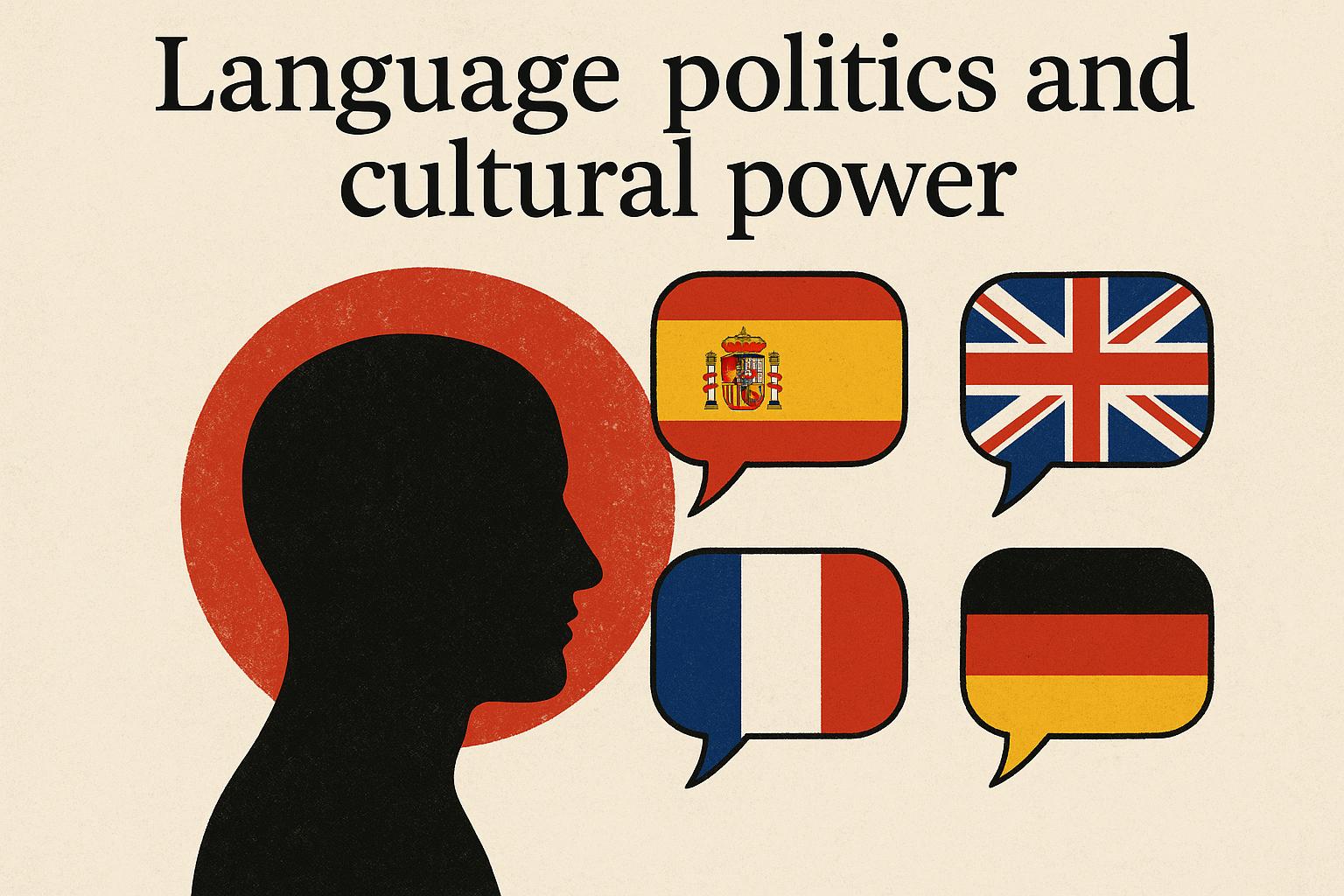
Language politics refers to the ways in which language and linguistic differences influence political dynamics and power structures within a society. This field of study examines how language policies and practices can both reflect and shape social, economic, and political inequalities. In many cases, language functions as a tool of dominance or resistance, playing a crucial role in identity formation and cultural preservation. Understanding the nuances of language politics provides crucial insights into how societies function and evolve in response to changes in language usage.
Historical Context
The relationship between language and power has deep historical roots that extend back through centuries. Throughout history, conquerors and colonial powers have often imposed their languages on subjugated populations, seeking to enforce cultural assimilation and weaken local identities. This imposition of language was not merely a matter of communication but a strategic maneuver aimed at consolidating control by undermining cultural cohesion among the colonized peoples.
For instance, during European colonization, languages such as English, French, and Spanish were aggressively promoted in Africa, Asia, and the Americas, frequently at the expense of indigenous languages. This promotion of colonial languages often took place through institutions such as schools and churches, which were instrumental in shaping the linguistic landscape of the colonized regions. These linguistic strategies facilitated administrative efficiency and integration of the colonies into the global economy, albeit often at an immense cultural cost to indigenous populations.
Case Study: The Suppression of Native Languages
In numerous parts of the world, native languages have faced suppression due to prevailing language policies. In the United States and Canada, for example, indigenous languages suffered significant setbacks due to government policies that mandated English as the primary medium of instruction. The establishment of residential schools aimed at assimilating Native American and First Nations children further contributed to the erosion of these languages.
The impact of these policies was profound, leading to a drastic decline in the number of fluent speakers of many indigenous languages. In the context of residential schools, children were often punished for speaking their native tongues, a practice that sought to eradicate linguistic and cultural ties. The legacy of such policies has been long-lasting, affecting generations of indigenous communities and complicating efforts to reclaim and revitalize native languages in the present day.
Language as a Symbol of Resistance
Despite the historical imposition of dominant languages, various communities have leveraged their indigenous languages as symbols of resistance and cultural revival. Language revitalization initiatives have gained momentum, aiming to preserve and promote endangered languages. These efforts often involve the creation of educational programs, cultural festivals, and media content in native languages, seeking to reinvigorate linguistic heritage and strengthen cultural identity.
For many indigenous communities, the revitalization of their languages serves as a powerful form of cultural resistance and a reclaiming of identity. These initiatives often draw on a deep sense of pride and cultural heritage, inspiring a new generation to reconnect with their linguistic roots. Furthermore, language revitalization is frequently intertwined with broader movements for social and political rights, reinforcing the idea that language is not just a means of communication but an integral part of the social fabric.
The Role of Language Policy in Contemporary Societies
Today, language policy continues to play a significant role in shaping cultural and political landscapes. Governments around the world implement language policies to address issues of national unity, minority rights, and multiculturalism. For instance, in multilingual nations such as Belgium and Switzerland, official language policies seek to balance the linguistic preferences of different communities, promoting cohesion while recognizing diversity.
Language policy can become especially significant in politically contested regions, where language choices are often highly politicized and serve as a crucial battleground for asserting national sovereignty or regional autonomy. Language disputes often arise in countries like Ukraine, where the Russian and Ukrainian languages carry significant political and ethnic connotations. In such regions, the language a person speaks can be a marker of political allegiance or ethnic identity, further complicating the political landscape.
Furthermore, in the context of globalization, the dominance of certain languages such as English poses both opportunities and challenges for multilingual societies. While English provides access to global markets and international dialogue, it also raises concerns about cultural homogenization and the potential erosion of local languages. Thus, contemporary language policies must navigate these complexities, striving to balance the benefits of global integration with the need to preserve linguistic diversity.
Conclusion
Language politics and cultural power are intricately linked, reflecting broader societal struggles over identity, representation, and autonomy. Understanding the dynamics of language politics sheds light on the complexities of cultural power relations and the ongoing efforts to navigate issues of language rights and preservation in diverse communities worldwide.
Through exploring the historical and contemporary examples of language politics, we see the profound impact of language on society. The ways in which a society manages and negotiates language differences reveal much about its values, priorities, and power structures. As we continue to witness shifts in linguistic landscapes globally, the importance of thoughtful and inclusive language policies becomes ever more apparent, underscoring the enduring relevance of studying language politics in our increasingly interconnected world.