Understanding Global Youth Culture
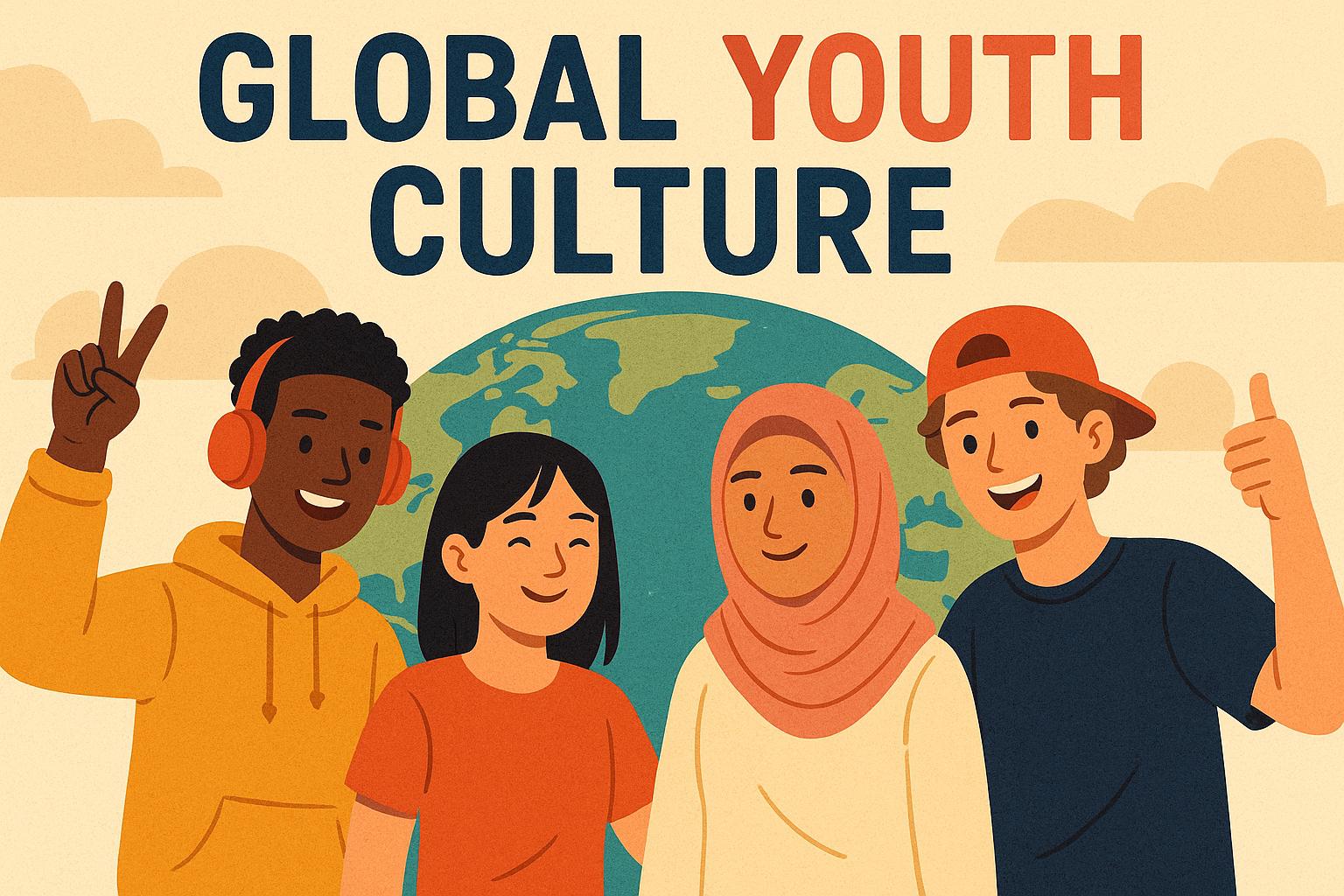
Global youth culture is a term that encapsulates the lifestyles, values, and interests of young people worldwide. This dynamic culture is shaped by various influences, including technology, media, and social interactions that traverse national and cultural boundaries. The significance of understanding global youth culture lies in its ability to impact societal trends and future developments.
Technology as a Driving Force
The rapid advancement of technology plays a crucial role in shaping global youth culture. With the proliferation of digital devices and internet connectivity, young people are more interconnected than ever before. Social media platforms like Instagram, TikTok, and Snapchat enable cross-cultural exchanges and allow youth to share and access diverse content instantly. This interconnectedness accelerates the spread of trends, ideas, and innovations across the globe.
Technology has revolutionized the way young people communicate, learn, and express themselves. It has provided them with unparalleled access to information and resources, transforming traditional educational models. Online courses, tutorials, and collaborative projects enable youth to acquire new skills and knowledge beyond the confines of their local education systems. As technology continues to evolve, young individuals are at the forefront of leveraging these advancements to pursue their passions and advocate for change.
Social Media and Identity
Social media is integral to how young people construct and express their identities. It provides a platform for individuals to showcase their personal lives, beliefs, and achievements. The global reach of these platforms allows youth from different backgrounds to engage in dialogue and learn from each other. However, the curated nature of social media can also introduce challenges, such as promoting unrealistic standards and perpetuating certain stereotypes.
Beyond mere communication, social media serves as a stage where youth explore their creativity and advocate for causes they believe in. It empowers them to start movements, challenge societal norms, and create communities based on shared interests. At the same time, it presents the risk of fostering environments where echo chambers and misinformation can thrive. Balancing the positive potential of social media with its challenges is crucial in understanding the role it plays in global youth culture.
Music and Pop Culture
Music and pop culture are significant aspects of global youth culture. They serve as a means of expression and connection among young people. Genres like K-pop, hip-hop, and electronic dance music (EDM) have international followings and contribute to a shared musical landscape. These genres often incorporate elements from various cultures, creating a fusion that appeals to a wide audience.
Musicians and artists are often seen as influencers, dictating trends and setting the tone for various youth movements. Their reach goes beyond entertainment, impacting areas such as fashion, language, and lifestyle. By embracing diverse cultural influences, they foster greater acceptance and appreciation for different traditions, creating a global platform for exchange and understanding.
Influence of K-pop
K-pop, originating from South Korea, has gained massive global popularity. Its influence extends beyond music, impacting fashion, language, and lifestyle trends. The success of K-pop bands and their ability to engage a global audience exemplifies the power of cultural exports in shaping global youth culture.
The appeal of K-pop is not limited to its catchy tunes and visually stunning performances. It represents a unique blend of tradition and modernity, harnessing the power of social media to connect deeply with fans worldwide. This genre serves as a testament to how art and culture transcend geographical barriers, allowing young fans to find common ground and share their experiences.
Sports and Global Youth
Sports also play a pivotal role in uniting young people across the globe. International events such as the FIFA World Cup or the Olympic Games provide a platform for youth to engage with different cultures and celebrate diversity through competition. Additionally, these events often serve as inspiration for young athletes and fans.
Sports encourage values such as teamwork, discipline, and resilience. These qualities resonate with the youth, who often look to athletes as role models. The global nature of major sporting events provides a sense of belonging and pride that transcends national borders, fostering international camaraderie and understanding.
Esports and Youth Engagement
Esports, or competitive video gaming, has emerged as a popular form of entertainment among youth. Esports tournaments attract millions of viewers worldwide and are increasingly recognized as legitimate sports events. This growing industry offers new career opportunities and showcases how digital interaction can foster a sense of community and competition among young people.
The rise of esports highlights the changing nature of sports and entertainment. It combines traditional aspects of competition with technological advancements, showcasing the creativity and adaptability of young individuals. As new platforms and games continue to emerge, esports’ popularity is expected to grow, further solidifying its place in global youth culture.
Challenges and Opportunities
While global youth culture offers many benefits, it also presents challenges. Issues such as digital addiction, cyberbullying, and the digital divide need to be addressed. Additionally, there remains a need for cultural sensitivity and understanding to ensure respectful interactions among diverse youth populations.
The impact of technology on mental health and well-being is a growing concern, with issues such as anxiety, depression, and low self-esteem becoming increasingly prevalent. Addressing these challenges requires a holistic approach involving educators, parents, policymakers, and technology companies. Fostering positive online environments while providing support systems for young individuals is essential in ensuring the healthy evolution of global youth culture.
Promoting a Balanced Approach
To harness the full potential of global youth culture, it is important to promote a balanced approach. Educational initiatives that foster critical thinking, empathy, and digital literacy are crucial. By equipping young people with the skills to navigate and contribute positively to their digital and physical communities, they can help shape a more inclusive and interconnected world.
Engaging young people in dialogue about the challenges and opportunities they face will enable them to take an active role in addressing these issues. Encouraging cross-cultural exchanges and emphasizing shared experiences can help bridge divides, promote peace, and create a more understanding and accepting global community.
In conclusion, global youth culture is a multifaceted phenomenon with the power to influence societal changes and drive innovation. While navigating the challenges it presents is complex, it also offers a unique opportunity for young individuals to unite for a common purpose, paving the way for a more connected and harmonious world.