Understanding Gender Performativity
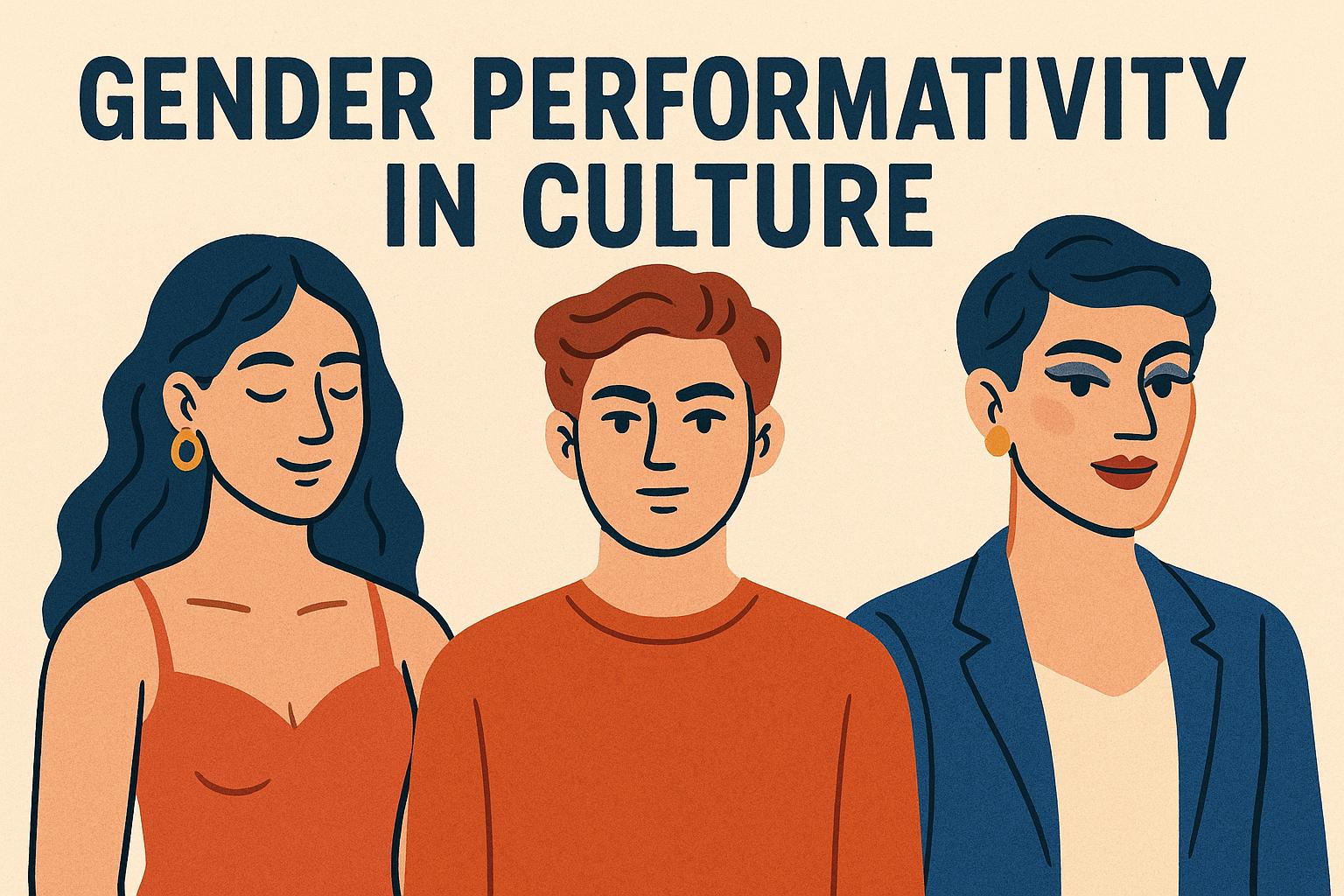
Gender performativity is a concept that stems from the philosophical inquiries of Judith Butler, especially prominent within the study of gender dynamics and theory. This concept suggests that gender is not a fixed quality of an individual; rather, it is a set of actions and behaviors that people live out and express over time. Under this theory, gender roles are not inherent but are learned through the expectations and norms set by society, which individuals then enact in various contexts of daily life.
The Origins of Gender Performativity
The concept of gender performativity was introduced by Butler in her influential book, Gender Trouble, published in 1990. In this work, she posited that gender is malleable and a product of cultural and social influences, rather than an inherent trait. This perspective challenges the conventional understanding of gender as a binary concept, presumed to be predetermined by biological or natural laws.
Distinguishing Between Gender and Sex
To comprehensively understand gender performativity, it is crucial to distinguish between what we mean by gender and sex. *Sex* generally relates to the biological attributes of individuals, such as their chromosomes, hormone levels, and reproductive organs. In contrast, *gender* relates to the roles, behaviors, and identities that society assigns to individuals based on their perceived sex. Therefore, gender is seen as something that is performative, constructed through the repeated enactment of behaviors and roles rather than a natural condition.
Societal Influence on Gender Performance
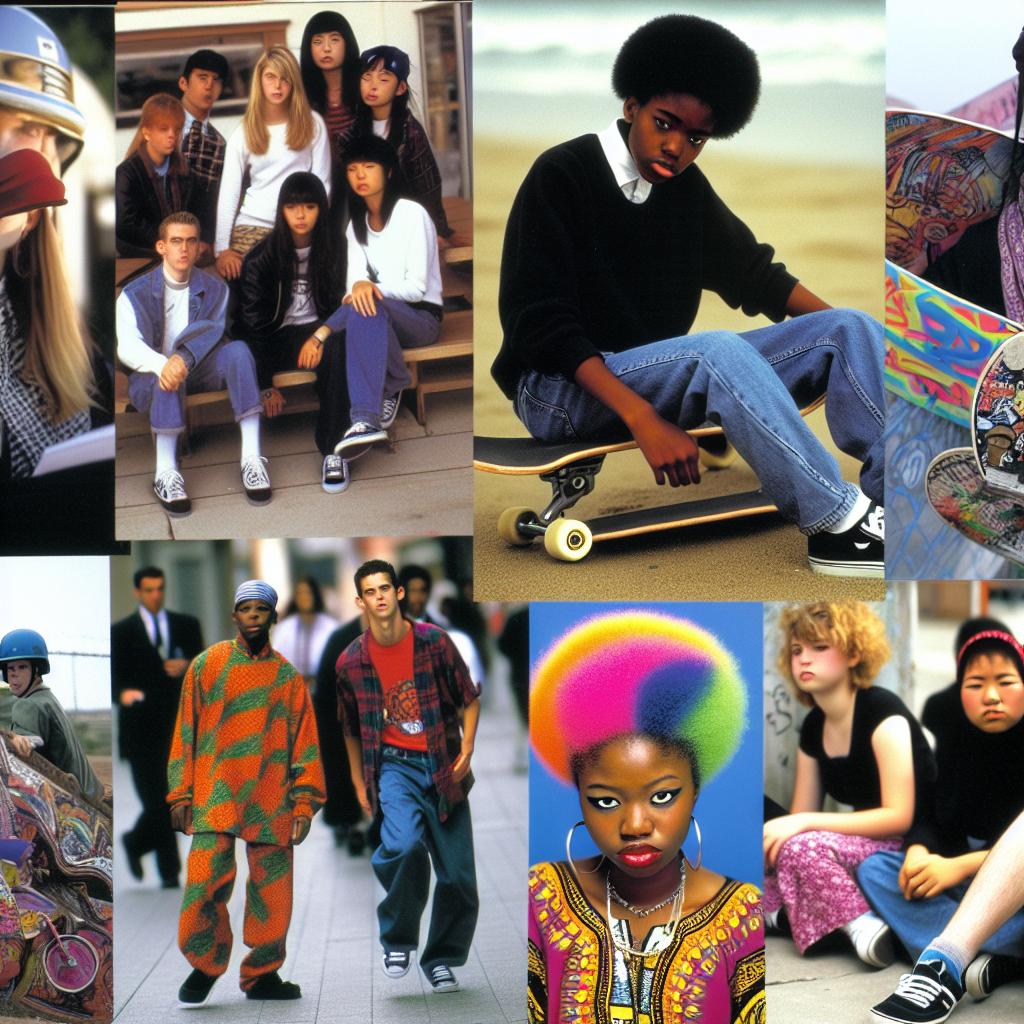
The performance of gender begins early in life, primarily influenced by the socialization processes present in family environments, educational systems, and media representations. Cultural norms prescribe specific behaviors and roles according to one’s assigned gender, thus reinforcing traditional gender roles. Nevertheless, individuals can challenge these norms by engaging in nonconforming performances of gender, thereby questioning and redefining existing expectations.
The Role of Language and Discourse
Language and discourse are powerful tools in constructing and reinforcing gender norms. The specific words and expressions used in varying contexts can perpetuate stereotypes and societal expectations regarding gender. For instance, the use of *masculine* and *feminine* language reflects larger societal norms dictating how individuals should express themselves based on their gender identity. The way language classifies gender impacts how individuals perceive and perform their identities.
Implications of Gender Performativity
Grasping the concept of gender performativity allows individuals to recognize the fluid and variable nature of gender, encouraging acceptance and understanding of diverse gender expressions and identities. This concept serves as a framework through which individuals can analyze how they navigate and negotiate their identity within the constraints of a socially constructed environment.
Cultural Examples of Gender Performance
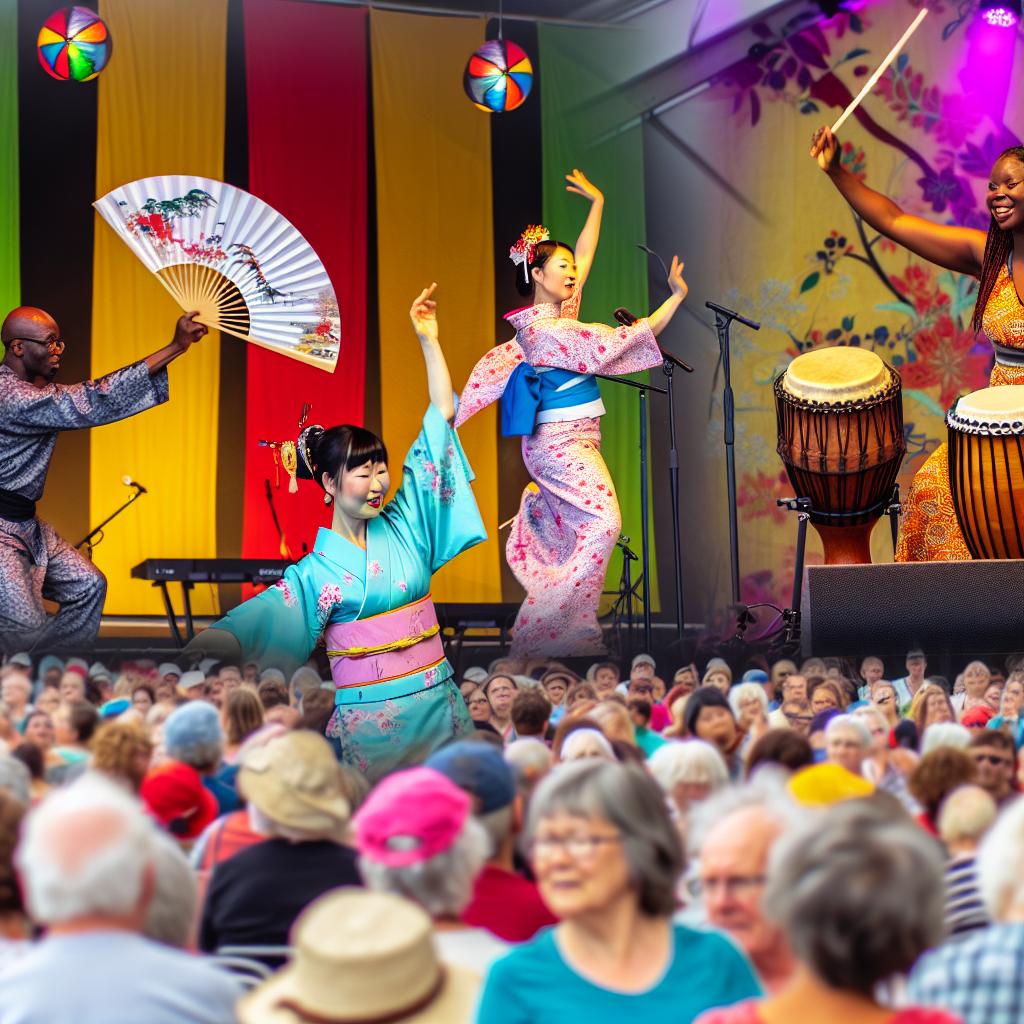
Cultural artifacts, such as those found in film, television, and literature, frequently depict gender performances that either mirror or critique societal norms. These representations can uphold conventional gender roles or propose novel viewpoints on gender fluidity. For instance, characters in popular media who defy traditional gender norms often raise critical questions about the validity and restrictions of these roles, providing new narratives and stimulating discussions about gender diversity.
Impact on Gender Identity and Expression
By recognizing that gender is performatively constructed, individuals gain the freedom to explore and express their gender identities beyond traditional limits. This realization enables an array of gender expressions that move beyond the binary model, empowering individuals to deviate from conventional gender roles. In turn, such expression fosters more inclusive and diverse communities, where individuals are free to express themselves authentically.
Challenges and Criticisms
Despite its influential nature, the theory of gender performativity is not without its critics. Some scholars argue that it may overlook the material and biological components of gender, focusing overly on the performative aspect. Critics also express concerns that the emphasis on performance might inadvertently perpetuate the very stereotypes it seeks to dismantle. Moreover, others argue that the theory places a disproportionate burden on individuals to change deeply entrenched societal structures.
Gender Performativity in Modern Discussion
In today’s climate, the relevance of gender performativity remains significant as society grapples with evolving understandings of gender identity and expression. Discussions about gender fluidity and non-binary identities often reference Butler’s work, as her theory opens new spaces for how gender can be perceived and enacted. As conversations about gender identity become more prevalent, the insights offered by gender performativity become critical in forming inclusive policies and fostering accepting environments.
Conclusion
Gender performativity provides profound insights into the multifaceted nature of gender identity and expression. By understanding gender as a sequence of enacted behaviors rather than a fixed characteristic, the concept invites a reevaluation of societal norms and encourages a more inclusive understanding of gender diversity. As cultures continue to evolve and engage with the complexities of identity, the ways in which gender is perceived and enacted will equally transform, constantly inviting new interpretations and understandings. This continual evolution underscores the dynamic and adaptable nature of gender as a social construct, ever open to redefinition and reinterpretation.