Understanding Body Modification and Its Cultural Significance
Body modification encompasses a variety of practices aimed at altering the physical body. These modifications carry rich cultural significance and are practiced across the globe for an array of reasons—be it for establishing a spiritual connection, asserting social status, enhancing aesthetic appeal, or expressing personal identity.
Historical Context of Body Modification
The practice of body modification is deeply intertwined with historical and traditional roots. Indigenous communities worldwide have engaged in a myriad of body-altering practices, each carrying profound cultural, social, or religious implications. The Maori of New Zealand, for instance, have long been noted for their unique facial tattoos dubbed Ta Moko, which encapsulate an individual’s heritage and personal history. Such tattoos serve as both a personal identifier and a badge of cultural pride.
Similarly, in various African cultures, body modifications serve different purposes. Among the Mursi tribe of Ethiopia, women traditionally wear lip plates. This practice is more than just aesthetic; it is a symbol of social maturity, denoting a woman’s value, both in her personal strength and in societal terms. These modifications might look peculiar to outsiders but are steeped in contextual significance for the communities practicing them.
Types of Body Modification
Body modification appears in diverse forms each embodying distinct sets of meanings and cultural environments. Some of the more prominent types include:
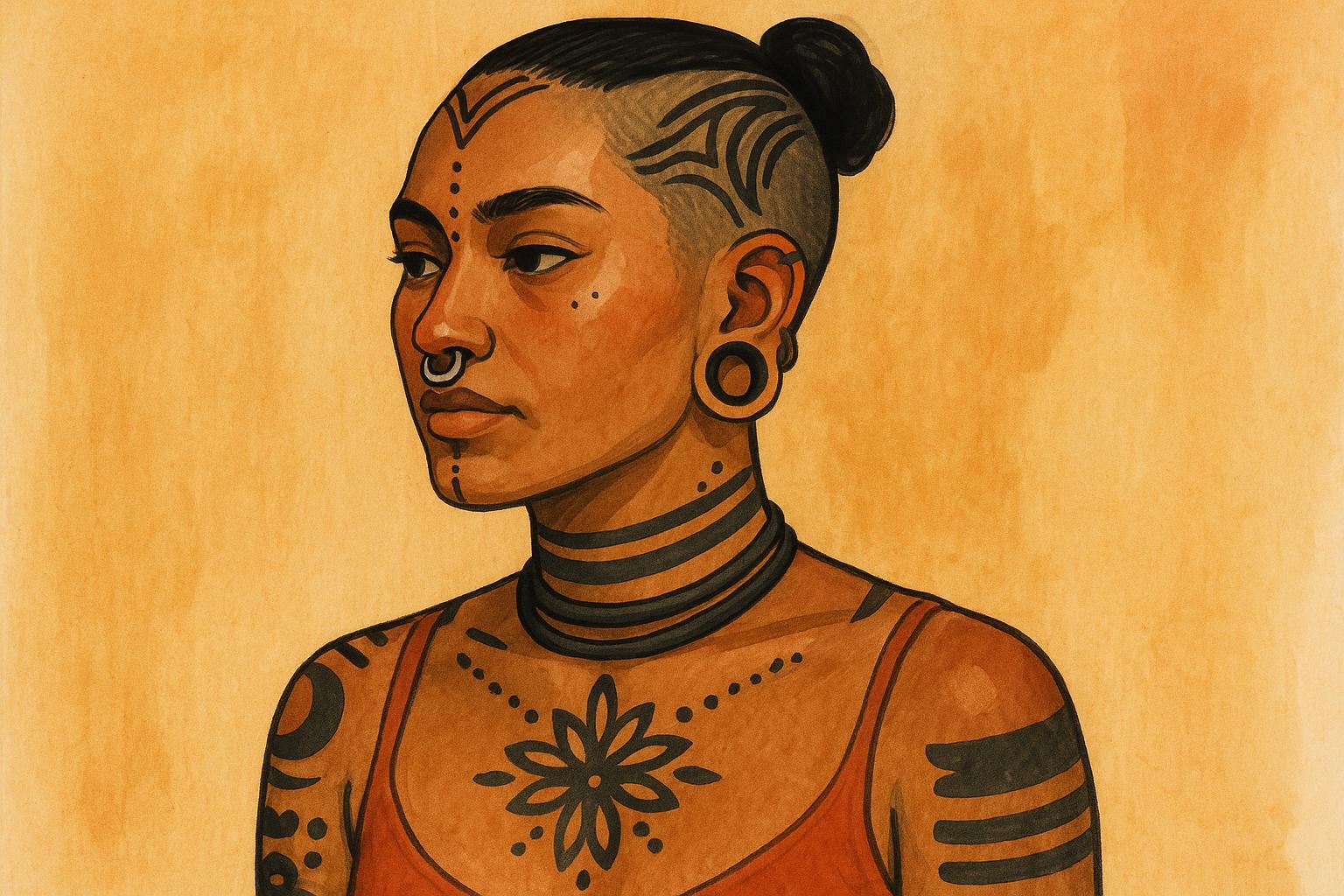
Tattooing: Originating thousands of years ago, tattoos have functioned as indicators of social classification, spiritual beliefs, or commemorative symbols. Contemporary tattooing frequently aligns with personal expression, with tattoos telling stories or depicting beliefs that hold personal importance to the individual involved.
Piercing: Varying substantially in meaning across cultures, piercings serve as aesthetic, cultural, and status symbols. In some cultures, like the Fulani communities in West Africa, large earrings made of precious metals are not merely adornments; they communicate wealth and highlight aspects of beauty esteemed by the society.
Scarification: This modification involves intentionally creating patterns on the skin through scarring. Scarification often carries cultural and tribal significance, symbolizing rites of passage or social status. In some communities, such markings denote the transition from childhood to adulthood, carrying deeper societal implications for the individual.
Modern Perspectives on Body Modification
In the modern era, body modification is increasingly seen as an avenue for personal empowerment and the exploration of identity. Many individuals adopt body modification as an exercise of autonomy, challenging societal norms establishing what is considered beautiful or acceptable. The act becomes one of resistance as much as it is one of personal expression.
Traditional influences on body modification persist within contemporary practice, but the rise of digital platforms and social networking has transformed perception and acceptance. These mediums have facilitated a more widespread appreciation of diverse body modifications. The global exchange of images and ideas has effectively broadened the contexts within which these modifications are understood and appreciated.
Cultural Appropriation and Sensitivity
The surge in the popularity of body modifications also brings about concerns regarding cultural sensitivity. As people adopt body modification practices originating from lesser-known indigenous or marginalized cultures, questions of cultural appropriation emerge. It becomes increasingly important to engage with these modification practices with a respect for their roots and an understanding of the nuanced significance they hold within their original contexts.
There arises a pertinent need for sensitivity and consciousness in acknowledging the origins and traditional meanings behind these practices. Ensuring they are perceived not simply as trendy elements of fashion but as important pieces of cultural narratives requires ongoing examination and dialogue.
Conclusion
Body modification is a complex practice with deep historical, cultural, and social significance. What may be perceived as a contemporary form of personal expression often has roots deeply embedded in ancient traditions and stories. Respecting and understanding these foundations allows for a more enriched and informed appreciation of the many-layered world of body modification. Recognizing the plurality of body modification practices enriches our comprehension of human culture and identity, illustrating the shared and diverse facets of human expression across different societal milieus.