Introduction to Ethnography in Cultural Studies
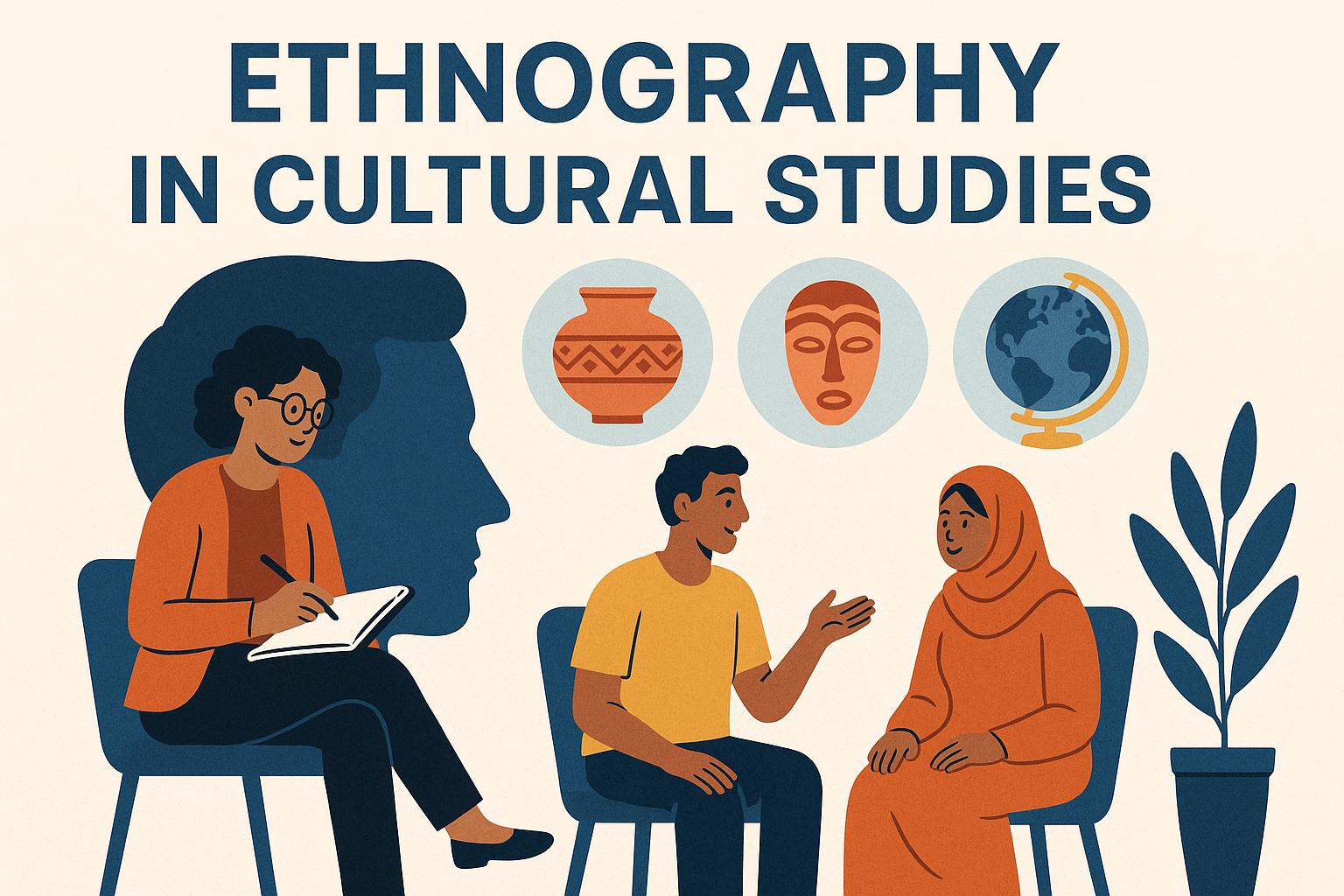
Ethnography plays a pivotal role in cultural studies, offering a framework for understanding how people interpret their world and everyday practices. As a research approach, ethnography is deeply rooted in qualitative methods, focusing on detailed, immersive observations and interactions within cultural contexts. This article explores the fundamental concepts and significance of ethnography in cultural studies, highlighting its methodologies and applications.
Defining Ethnography
Ethnography can be described as a comprehensive exploration of cultural phenomena where researchers observe society from the point of view of the subject of the study. It aims to provide a holistic understanding of human behavior by immersing the researcher in the environment and social world of the participants. The primary objective is to interpret and analyze cultural patterns, meanings, and experiences as they naturally occur.
Methodological Approaches
The ethnographic process typically includes participant observation, in-depth interviews, and the collection of artifacts to understand and document cultural norms and practices. Participant observation involves researchers actively engaging in the community under study, allowing them to collect data through direct interaction. In-depth interviews offer valuable insights into personal attitudes and experiences, while artifacts provide physical evidence of cultural practices.
Participant Observation
Participant observation is central to ethnographic research. This method requires the researcher to immerse themselves in the community, gaining firsthand experience of social interactions and cultural rituals. Through prolonged engagement, researchers can discern the subtleties of daily life that are often overlooked by more detached forms of study. Being an active participant allows researchers to anchor their understanding in the lived realities of those they are studying, which helps produce more grounded and nuanced insights.
In-Depth Interviews
In-depth interviews supplement participant observation by allowing researchers to explore individual perspectives in detail. These interviews can reveal personal narratives, beliefs, and motivations, offering a deeper understanding of how cultural contexts influence individual behavior and social dynamics. Providing a platform for participants to express their thoughts in their own words yields rich qualitative data, making complex social phenomena more comprehensible.
Collection of Artifacts
Artifacts, including documents, tools, and other cultural products, provide tangible evidence of cultural practices. Analyzing these items can help researchers interpret the values, beliefs, and historical contexts of the society being studied. The physical and symbolic nature of artifacts offers insights into the tangible elements of culture and their significance within the community’s daily life.
Applications in Cultural Studies
Ethnography is used extensively to explore various aspects of culture in diverse settings. In cultural studies, ethnography advances the understanding of identity, power dynamics, and social change by examining how individuals and groups navigate their cultural environments.
Understanding Identity
Ethnographic research sheds light on how people construct their identities through their cultural practices, language, and interactions. It examines the fluidity of identity, considering how cultural norms, values, and historical contexts shape the self and community identity. The negotiation of identity is not static but evolves through social interaction and self-reflection, influenced by broader societal changes. Ethnography thus contributes to understanding the dynamic relationship between individual identity and cultural structures.
Power Dynamics
By closely observing social interactions, ethnographers identify power relations and hierarchies within cultural systems. This approach reveals how power is distributed, maintained, and contested, offering insights into issues of inequality and social justice. The ethnographic lens allows researchers to see the subtle ways power operates, often in implicit manners, within everyday interactions. Insights gained from such studies can uncover the mechanisms by which power is both resisted and upheld, contributing to a nuanced understanding of societal organization.
Social Change
Ethnography also investigates how cultures evolve, focusing on the processes of innovation, adaptation, and resistance. Researchers document how communities respond to external influences and internal developments, providing a nuanced understanding of social transformation. Ethnographers track the implications of global influences, technological advancements, and policy changes on local cultures, revealing the resilience and creativity of communities in the face of change.
Challenges and Considerations
Ethnographic research, despite its strengths, presents several challenges. Researchers must navigate ethical considerations, including informed consent and the potential impact of their presence on the community. They must also contend with the subjective nature of their interpretations, striving for reflexivity and transparency in their analyses.
Ethical Considerations
Maintaining ethical standards is crucial in ethnography, as researchers work closely with participants. Obtaining informed consent and protecting participants’ anonymity are essential to ensure respect and minimize harm. Ethical considerations also involve the responsibility of sharing findings in ways that accurately represent participants’ realities without exploitation or distortion. Researchers must be vigilant about their influence on the community, ensuring their involvement enhances the research rather than disrupts natural cultural practices.
Reflexivity
Researchers need to be reflexive, continuously examining their own biases and the influence of their presence on the data. This awareness helps maintain objectivity and enriches the study’s credibility. Reflexivity requires acknowledging one’s positionality concerning the participants, including recognizing how the researcher’s perspective might influence the data collection, analysis, and interpretation processes. By being reflective, researchers can engage more ethically and authentically with their subjects.
Conclusion
Ethnography remains an invaluable tool in cultural studies, offering in-depth insights into the complexities of human cultures. By exploring the intricate relationships between individuals and their cultural contexts, ethnography enriches our understanding of social life and the continuous interplay between culture and society. This approach underscores the importance of seeing cultures as living entities, dynamic in nature, and shaped by the people who live them daily. Ethnographers capture not only the static elements of culture but also the fluidity and complexity inherent in human societies, illuminating the colorful tapestry of human experiences.