Architecture as a Reflection of Culture
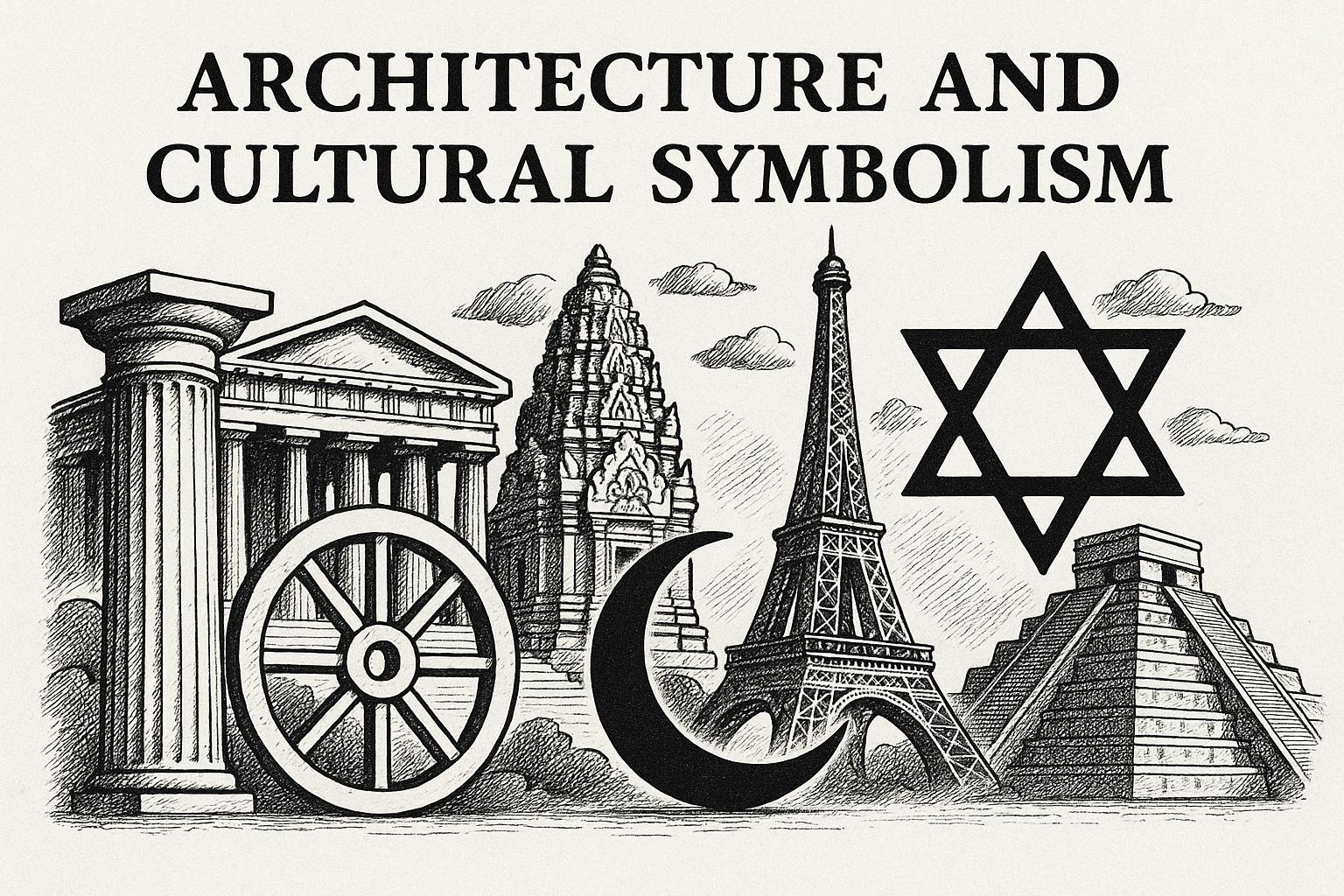
In the study of architecture, the relationship between the built environment and cultural symbolism is profound and complex. Architecture is not merely a tool for fulfilling functional roles such as providing shelter or facilitating commerce; it also stands as a tangible embodiment of a society’s values, beliefs, and traditions. The interconnectedness between architecture and culture has been evident throughout history and across various civilizations, revealing the intricate ways in which architectural forms respond to cultural contexts.
Historical Examples of Cultural Symbolism in Architecture
Throughout history, diverse societies have employed architectural forms to convey cultural narratives and reconstruct social identities. The ancient Egyptians, for example, built pyramids that served not only as monumental tombs for the pharaohs but also as enduring symbols of divine power and spiritual beliefs about the afterlife. The massive scale and structured geometry of the pyramids reflect the Egyptians’ focus on eternity and their gods’ omnipotence, projecting cultural values through architectural grandeur.
In medieval Europe, Gothic cathedrals stand as testament to the era’s intense religious devotion and societal order. Their soaring spires, pointed arches, and intricate sculptures reflect not only artistic innovation but a deeply ingrained religious fervor. These cathedrals were designed to direct the gaze heavenwards, thereby underlining the central role of spirituality in medieval life. The community centric nature of these cathedrals underscored their function as hubs of both religious worship and social governance.
In contrast, consider the Mayan pyramids, whose complex carvings and cosmic alignments embody the importance of time and cosmology in Mayan culture. Each structure often acted as a visual calendar, aligning with celestial cycles and serving religious and ceremonial purposes. These buildings were closely interwoven with mythological and astronomical knowledge, emphasizing the Maya civilization’s expertise in these fields.
Moving to Asia, the Forbidden City in Beijing stands as an example of how cultural principles are embedded in architecture. As the imperial palace of the Chinese emperors for nearly 500 years, its design mirrors principles of Confucianism and imperial ideology. The layout promotes harmony and balance, symbolizing the unification of heaven and earth through axial alignments and feng shui principles. The vibrant red and yellow colors, massive scale, and artistic detailing reflect the zenith of an era’s artistic endeavor and its relationship to authority.
Modern Interpretations and Expressions
In more recent times, architectural practices continue to demonstrate cultural symbolism, albeit through contemporary interpretations. Consider Frank Lloyd Wright, an architect whose design philosophy integrated elements of the natural landscape into the built environment. Wright’s architecture embodies the American ethos of individualism and harmony with nature, advocating for a seamless integration of the building with its environment. His approach, known as organic architecture, seeks to unify spaces in a manner that echoes the interconnectedness of human life with its surroundings.
Likewise, the Sydney Opera House has emerged as an icon of modern architectural expression, with its sail-like forms epitomizing Australia’s coastal heritage. This structure achieves a synthesis of contemporary design principles with a profound connection to its geographical context. It mirrors the country’s celebration of maritime history, artistic innovation, and cultural vibrancy, creating a landmark that is both functionally and symbolically significant.
The Role of Globalization
The ever-growing phenomenon of globalization has profoundly influenced modern architecture, resulting in a medium for cross-cultural exchange and hybrid forms. The Burj Khalifa in Dubai is a prime example where modern engineering meets traditional Islamic design motifs. The tower’s sleek, futuristic design acknowledges the aspirations of a modern city while incorporating cultural elements such as the geometrical patterns prevalent in Islamic art. The Burj Khalifa successfully balances modernity with cultural heritage, marking a significant milestone in cross-cultural architectural design.
In cosmopolitan urban centers worldwide, architecture becomes a canvas where varying styles and influences come together. The merging of diverse aesthetic sensibilities not only fosters cultural understanding but also challenges architects to innovate and adapt to the demands of an evolving global society. This interaction encourages buildings to reflect the rich tapestry of the multicultural landscape, maintaining a dynamic relation to cultural identity while embracing modern trends.
Conclusion
Ultimately, architecture serves as a powerful means of expressing and preserving cultural heritage. It encapsulates the history, values, and vision of a people, standing as monuments that speak volumes about a society’s identity and its progression over time. As societies continue to evolve, so too will architecture, reflecting shifts in social norms, technological advancements, and the assimilation of diverse cultural elements. Through the architectural lens, observers can gain a deeper appreciation of a culture’s identity and its historical path, highlighting the essential role architecture plays in the continuum of history.