The Intersection of Cultural Production and Labor
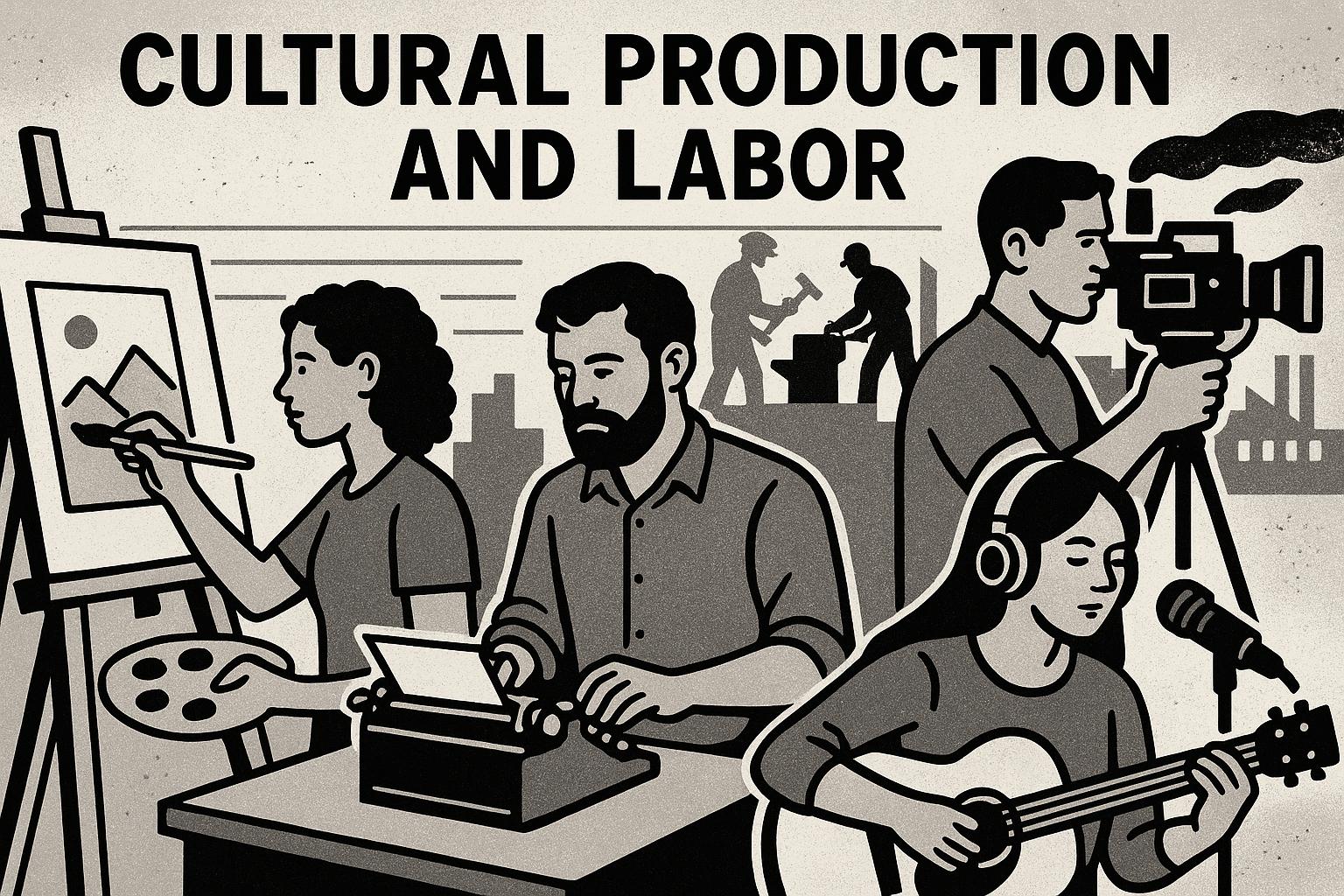
The realm of cultural production encapsulates the creation and dissemination of cultural goods, ranging from films and literature to music and art. This sector is deeply intertwined with labor, as it relies heavily on the skills and creativity of individuals. However, the nature of work within cultural industries presents unique challenges and dynamics.
Understanding Cultural Production
Cultural production refers to the processes involved in creating goods and services that hold cultural significance. This not only includes tangible products like books and paintings but also intangible outputs such as performances and digital content. These cultural goods often reflect society and carry intrinsic value beyond their economic worth. In addition, cultural production is often influenced by and reflective of the historical, social, and political contexts within which it is created. This means that cultural goods can serve as a medium for preserving traditions, challenging norms, and inspiring change.
The framework of cultural production is not limited to artists and performers. It often encompasses a wide array of roles that work together to bring these cultural outputs to life. Curators, critics, and educators also play pivotal roles in interpreting and disseminating cultural goods, thus contributing to the broader cultural milieu. Importantly, as culture evolves, so too do the forms and methods of production, requiring a continuous adaptation by workers within the industry.
Types of Cultural Labor
Cultural labor involves diverse roles, from artists and performers to producers and technicians. Such work often requires specialized skills and expertise. The following are some key characteristics of work in this sector:
Creative Engagement: Most cultural labor necessitates a high degree of creativity and imagination. Whether writing a screenplay or designing a fashion collection, workers in this field must continually innovate to engage their audience. This creativity often requires a deep understanding of cultural references and trends, allowing creators to resonate with audiences on both a local and global scale.
Project-Based Work: Much of the labor in cultural industries is project-driven. This means employment tends to be temporary, with contracts lasting only as long as the project requires. Consequently, job security can be a concern. Workers often move from project to project, which can lead to periods of unemployment or underemployment between jobs.
Collaboration: Cultural production often involves collaboration among various professionals. A film, for instance, requires not just actors, but also directors, scriptwriters, and technicians, all working together to realize a single vision. Effective teamwork and communication are essential, as each collaborator’s contribution is crucial to the success of the overall project.
Economic Challenges and Precarity
Despite its cultural importance, the labor market within cultural production can be precarious. Many workers face inconsistent employment and income, exacerbated by the project’s temporary nature.
Freelancing and Gig Economy: Many cultural workers are freelancers or part of the gig economy, lacking the benefits and protections afforded by traditional employment. This can lead to uncertainty in income and limited access to healthcare and retirement benefits. Moreover, the competitive nature of gig work in cultural sectors can result in a race to the bottom, where workers may accept lower wages to secure opportunities.
Wage Disparities: There is often significant wage inequality within cultural labor. While top-tier actors or musicians might earn substantial incomes, many other roles, essential to cultural production, may receive lower pay. This disparity can deter new talent from entering the field, especially when entry-level wages are not sufficient to cover basic living expenses.
Many cultural laborers also encounter challenges such as delayed payments or lack of transparency in financial dealings, making it difficult to manage their personal finances effectively. Furthermore, the intrinsic value that cultural goods hold is often not reflected in the compensation that creators receive, leading to a disconnection between cultural significance and economic reward.
The Role of Technology
Technology has had a profound impact on cultural production, reshaping how cultural goods are created, distributed, and consumed. This has led to both opportunities and challenges for labor in this sector.
Digital Platforms: With the rise of digital platforms, creators have new avenues to disseminate their work globally. This democratization of distribution expands potential audiences but also increases competition. Moreover, digital platforms facilitate direct interaction between creators and audiences, which can enhance engagement and support.
Automation: Certain aspects of cultural production, like editing and design, are increasingly influenced by automation. While this can enhance efficiency, it may also reduce demand for specific skill sets, affecting job opportunities. However, automation can also be seen as a tool for liberation, allowing cultural workers to focus more on creative aspects rather than repetitive tasks.
As technology evolves, it continues to produce tools that enhance artistic expression and cultural production. Virtual and augmented reality, for instance, offer new dimensions for cultural creators to explore, reinventing how audiences experience art and entertainment.
Conclusion
The interplay between cultural production and labor is multifaceted, characterized by creativity, collaboration, and economic challenges. As technology continues to advance, it will further alter the landscape of cultural labor, presenting both new opportunities and obstacles. Understanding this dynamic is essential for supporting those who contribute to cultural richness and diversity.
Moreover, fostering sustainable practices within cultural industries requires a concerted effort from policymakers, industry leaders, and societies at large. By acknowledging the unique conditions and requirements of cultural labor, stakeholders can work towards better support systems that ensure fair compensation, job security, and career development for those working within these sectors.
Finally, as globalization continues to influence cultural trends and practices, recognizing the value of cultural diversity in production becomes more important than ever. Supporting cultural workers not only enhances cultural heritage but also promotes innovation and creativity in wider societal contexts. This ongoing dialogue between labor, culture, and technology underlines the evolving nature of cultural production, which will continue to shape and be shaped by those who participate in its manifold processes.